What Causes Autism? A Root-Cause Look at Genes, Environment, and the Rise in Diagnoses
Ask most doctors what causes autism and you will hear one word: genetics. It is not wrong, but it is only a sliver of the story, and the part it leaves out is the part parents can actually do something about.
It is one of the first questions almost every parent asks after a diagnosis, usually somewhere between the shock and the grief: why? Why my child? Was it something I did, something I ate, something in our home, something written in their DNA from the start? The honest answer is that autism rarely has a single cause. For most children it is the end result of several biological factors stacking up, some inherited, many environmental, interacting over the earliest and most vulnerable period of brain development.
That sounds complicated, and it is. But it is also the most hopeful way to understand autism, because most of those factors can be identified, and many can be addressed. This article walks through what the research actually shows: the role of genes, the role of environment, why diagnoses have climbed so sharply, and where the biology tends to go wrong.
Is Autism Genetic?

Yes, genetics plays a real role. But "genetic" turns out to mean two very different things, and conflating them is the source of most of the confusion.
For roughly 1 to 2% of children, autism is driven by a single, identifiable genetic change: conditions like Fragile X syndrome, Rett syndrome, or tuberous sclerosis. In these cases the genetics are the direct cause, the change is enough on its own, and no amount of diet or detox will alter the underlying condition. This is the group clinicians saw most often in the 1960s and 70s, when autism was still considered rare, and it is where the "autism is genetic and lifelong" belief originally came from.
The problem is that this belief got generalized to every child, and the science does not support that. For the other 90-plus percent, there is no single causative gene. Instead there are susceptibility genes: common variations that do not cause autism by themselves but make a child more vulnerable to it. Variants affecting folate metabolism (such as MTHFR), detoxification capacity, methylation, and immune regulation all fall into this category. A child can carry several of them and be perfectly healthy. They tilt the odds. They do not decide the outcome.
This is exactly what the research on twins shows. A large, influential twin study found that shared environmental factors contribute at least as much as genes to autism risk, overturning the long-held assumption that autism is almost entirely inherited.2 In other words, most children inherit a vulnerability, not a certainty. What happens to that vulnerable, developing brain next is where environment comes in.
How Genes and Environment Actually Work Together
The clearest way to picture it is a simple phrase: the genes load the gun, and the environment pulls the trigger.
Genetic susceptibility sets the stage. It determines how well a child clears toxins, how efficiently they produce cellular energy, how they handle inflammation, and how their methylation and folate pathways run. A child with a resilient genetic profile can absorb a surprising amount of environmental stress and stay on track. A child with several susceptibility variants has far less margin, and the same exposure that barely registers in one child can tip another into regression.
The hinge between the two is a process called methylation, and more broadly, epigenetics. Epigenetics is the layer of chemical switches that turn genes on and off without changing the DNA sequence itself. Nutrition, toxins, inflammation, and stress all influence those switches. This is how an environmental exposure can produce a biological, gene-level effect: not by mutating DNA, but by changing which genes are expressed. It is also why two children with similar genetics can end up in very different places, and why addressing the environment can still help even though the genes themselves do not change.
The Rise Nobody Can Explain Away

Here is the fact the purely genetic story cannot account for. Autism has risen from roughly 1 in 10,000 children in the 1970s to 1 in 36 today, according to the CDC's most recent surveillance data.1 That is not a small drift. That is a transformation in a single lifetime.
Part of that climb is real and expected: the diagnostic criteria were broadened, awareness improved dramatically, screening got better, and children who would once have been labeled something else, or nothing at all, are now correctly identified. Any honest discussion has to credit that. But better counting explains part of the increase, not all of it. Genes do not change across an entire population in two generations. A purely genetic trait is essentially stable at the population level. It cannot produce a rapid, nationwide surge.
Environments can, and ours changed enormously over exactly these decades. We changed what children eat, shifting toward ultra-processed food and heavily fortified grains. We multiplied the industrial chemicals in everyday products. We increased antibiotic use in early childhood, which reshapes the gut microbiome. We raised C-section rates, which changes how a newborn's gut is first colonized. None of these is a lone smoking gun. Together, layered onto genetically susceptible children, they are a plausible account of why the numbers moved the way they did.
When Does the Damage Happen?

Brain development is not equally vulnerable at all times. Research points to a few specific windows where susceptibility and exposure most often collide.
- In the womb. This is the most sensitive window of all. Maternal illness and inflammation, toxin exposure, and nutritional gaps, particularly folate and vitamin D, can all disrupt fetal brain development. In a meaningful subset of cases, maternal autoantibodies cross the placenta and target proteins in the developing fetal brain directly. Prenatal nutrition matters enough that adequate folate around conception is one of the few factors consistently associated with lower risk.
- During and immediately after birth. A baby's first microbiome is seeded during vaginal delivery. C-section bypasses that step, and the infant is instead colonized by skin and environmental bacteria, a measurably different starting point for the immune and nervous systems. Antibiotics during labor or early infancy compound the disruption by wiping out beneficial species before they establish.
- Early infancy, the first year. Gut dysbiosis set up at birth, early toxic exposures, and the cumulative load of multiple stressors can quietly lay the groundwork during this period, often before any outward signs appear.
- The 18 to 24 month regression. This is the one so many parents describe: a child who was babbling, pointing, and making eye contact who then, over weeks, goes quiet. Regression is rarely random. It usually follows a biological trigger, a viral illness, a course of antibiotics, a period of significant inflammatory or metabolic stress, or simply the tipping point of burdens that have been accumulating since birth. The trigger did not create the vulnerability. It revealed it.
Go deeper: the free Parents Autism Guide
This article is the overview. Our free guide walks through each root cause in detail, what it is, how it is tested, and how it is addressed, written for parents.
Get the free guideThe Environmental Triggers
"Environment" does not mean one thing. An evidence-based review of systematic reviews and meta-analyses identified a range of environmental factors associated with autism risk, including air pollution, certain pesticides, maternal nutritional status, and birth-related factors.3 A few of the recurring ones:
- Air pollution. Prenatal and early-life exposure to traffic-related air pollution and fine particulates has been repeatedly associated with higher autism risk.
- Pesticides. Proximity to agricultural pesticide application during pregnancy shows up across multiple studies.
- Heavy metals. Lead, mercury, arsenic, and cadmium are neurotoxic, and children vary widely in how well they clear them. They turn up in ordinary places, including rice cereal, root-vegetable baby foods, and older household paint and water.
- Early antibiotics and C-section. Both reshape the infant microbiome at the exact moment it should be establishing.
- Nutritional status. Low maternal folate and vitamin D, and early childhood deficiencies in zinc, magnesium, and other nutrients, all shape how the developing brain copes.
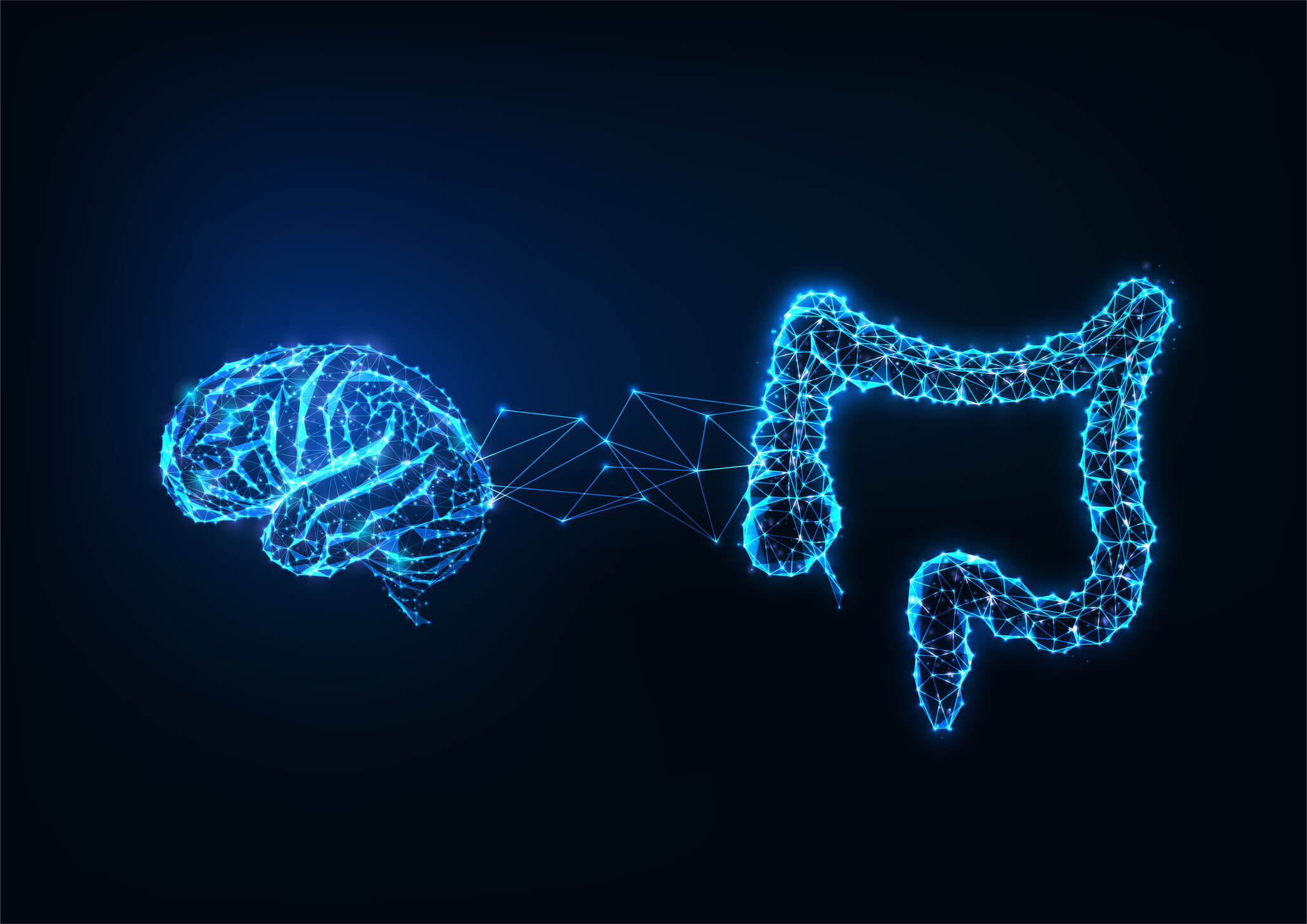
These exposures do not float free. They converge on a handful of interconnected biological systems, and this is where the functional and MAPS model does its work. Chief among them is the gut and its microbiome, wired directly to the brain, the immune system, and the body's detox pathways. When the gut barrier is inflamed and leaky, undigested proteins and bacterial toxins reach the bloodstream and drive inflammation that reaches the brain.
From there the dominoes fall. Toxic exposures and a struggling gut deepen oxidative stress and glutathione depletion, leaving the brain with fewer defenses. Problems in the folate and methylation pathways4 disrupt neurotransmitter production and detox, and in some children immune antibodies block folate from reaching the brain entirely, the mechanism behind cerebral folate deficiency. Underneath all of it, mitochondrial energy production can falter, and because the brain and gut are the most energy-hungry tissues in the body, they feel it first. Add immune dysregulation, where an infection inflames the brain, and you have the full picture.5
When several of these go wrong at once, the result can be the behavioral and developmental profile we call autism. The important part for parents: each of these is testable, and many are addressable.
The 10 Root Causes
Rather than one cause, most children have several overlapping ones. These are the ten most clinically significant. Each is covered in depth in the Parents Autism Guide:
- Cerebral folate deficiency. Folate is present in the blood but blocked from entering the brain, often by folate receptor antibodies.
- Mitochondrial dysfunction. The cell's energy factories run under strain, and the energy-hungry brain and gut suffer first.
- Gut dysbiosis. An imbalanced microbiome drives inflammation and neuroactive byproducts along the gut-brain axis.
- Heavy metal toxicity. A higher toxic burden meets an impaired ability to detoxify and clear it.
- Oxidative stress. Free-radical damage outpaces a depleted glutathione defense system.
- Methylation dysfunction. MTHFR and related variants disrupt detox, neurotransmitters, and gene expression.
- PANS and PANDAS. An immune trigger, often infection, inflames the brain and causes sudden regression.
- Mold and mycotoxins. Toxins from water-damaged buildings or internal overgrowth deplete glutathione and disrupt energy.
- Lyme and co-infections. Chronic tick-borne infections drive persistent neuroinflammation.
- Purely genetic causes. The 1 to 2% with a single-gene diagnosis such as Fragile X.
What This Means for Your Child
If autism were purely genetic and fixed, there would be nothing to investigate and little to do. Because for most children it is not, there is a great deal of both.
The genes are not changeable. But the gut, the nutrient status, the toxic burden, the chronic infections, and the methylation and folate pathways very often are. That is the entire premise of the root-cause approach: autism is treated not as a single fixed label, but as the visible expression of specific, identifiable biological problems, each of which can be tested for and, where present, addressed. It is not a promise of a cure, and it is not a quick fix. It is a reason to stop guessing and start looking.
For most parents, the first step is simply finding out which of these factors are actually at work in their own child, because the answer is different for every child, and a protocol built on guesses helps no one.
Want to find out what is driving your child's symptoms?
Neuro Root offers functional lab testing and telehealth consultations to help identify the specific root causes at work, and build a targeted, clinician-guided plan around them. Start with the free guide, then test.
Start with testingQuestions Parents Ask
Is autism genetic or environmental?
Both. For about 1 to 2% of children a single gene is the cause. For the vast majority, it is genetic susceptibility combined with environmental triggers. A large twin study found shared environment contributes at least as much as genes, so for most children it is not one or the other.
Why are autism rates rising?
Broader diagnostic criteria and better awareness account for part of the rise from roughly 1 in 10,000 in the 1970s to 1 in 36 today. But genes do not change across a population that quickly, which is why researchers also look at environmental changes in diet, chemical exposure, antibiotic use, and the infant microbiome.
Did I cause my child's autism?
No. Autism is not caused by any single parenting choice, and no parent is to blame. These are complex biological interactions between inherited susceptibility and a wide range of common environmental factors, most of which were unknown or unavoidable at the time. Understanding the contributors is useful because it points toward what can be helped, not toward blame.
Can you prevent or reverse the causes of autism?
Autism is not something to "cure," and purely genetic causes cannot be changed. But many of the biological contributors, gut dysbiosis, nutrient deficiencies, toxic burden, and infections, can be tested for and addressed, which is where the root-cause approach focuses.
What is the root-cause approach to autism?
It views autism as the expression of multiple underlying biological problems rather than a single fixed condition. Using functional lab testing, a clinician identifies which factors are present in a given child, then addresses them one at a time.
References
- Maenner MJ, Warren Z, Williams AR, et al. Prevalence and Characteristics of Autism Spectrum Disorder Among Children Aged 8 Years, 2020. MMWR Surveill Summ. 2023;72(2):1–14. CDC MMWR
- Hallmayer J, Cleveland S, Torres A, et al. Genetic heritability and shared environmental factors among twin pairs with autism. Arch Gen Psychiatry. 2011;68(11):1095–1102. PubMed
- Modabbernia A, Velthorst E, Reichenberg A. Environmental risk factors for autism: an evidence-based review of systematic reviews and meta-analyses. Mol Autism. 2017;8:13. PMC
- Rai V. Association of methylenetetrahydrofolate reductase (MTHFR) gene C677T polymorphism with autism: evidence of genetic susceptibility. Metab Brain Dis. 2016;31(4):727–735. PubMed
- James SJ, Cutler P, Melnyk S, et al. Metabolic biomarkers of increased oxidative stress and impaired methylation capacity in children with autism. Am J Clin Nutr. 2004;80(6):1611–1617. PubMed
Disclosure: Neuro Root offers paid telehealth services, laboratory testing, and supplements, and may earn compensation from tests, products, or services mentioned or linked in this article. This article is educational and is not a substitute for professional medical advice.