
PANS and PANDAS in Children: When OCD, Tics, and Rage Appear Overnight After an Infection
Imagine a child who was happy and emotionally steady yesterday, and who today is overwhelmed by severe obsessive-compulsive behaviors, motor or vocal tics, explosive rage, separation anxiety, or a sudden fear of eating. For many parents, the change does not feel like a developmental phase. It feels like an acute, uninvited intrusion that arrived almost overnight.
In mainstream care, these symptoms are often approached purely through a psychiatric or behavioral lens, which can lead to SSRIs, antipsychotics, or months of therapy. A functional-medicine and MAPS-trained (Medical Academy of Pediatric Special Needs) perspective asks a different question: when a child's neurology changes abruptly, what underlying immune trigger, infection, or systemic stressor set it off?
This guide explains what PANS and PANDAS are, the biology thought to drive them, how a functional workup looks for root causes, and the kinds of questions worth asking your clinician. It is written to inform, not to alarm.
PANDAS vs. PANS: What's the Difference?

Both conditions share nearly identical neuropsychiatric symptoms. The difference is in what triggers the initial neuroinflammatory response.
PANDAS
Pediatric Autoimmune Neuropsychiatric Disorders Associated with Streptococcal Infections.
A subset of PANS, specifically triggered by Group A Streptococcus (strep throat, scarlet fever, or a silent strep infection in the gut, sinus, or skin).PANS
Pediatric Acute-onset Neuropsychiatric Syndrome.
A broader diagnosis that does not require strep. Proposed triggers include other infections, and, more controversially, environmental and metabolic stressors.PANDAS was first described in 1998 by Dr. Susan Swedo and colleagues at the NIH.1 PANS was later defined by a consensus group to capture acute-onset cases that do not fit the strep-specific picture.2 Proposed non-strep triggers include:
- Other infections: Mycoplasma pneumoniae (walking pneumonia), and, in some clinical models, Lyme and its co-infections. Viral triggers studied include Epstein-Barr virus, HHV-6, influenza, and enteroviruses.
- Environmental load: mold and mycotoxins, heavy metals, or pesticide exposure. These are proposed and investigated rather than firmly established, and remain contested in the mainstream literature.
- Metabolic or autoimmune stressors: systemic autoimmune flares or significant metabolic dysregulation.
Recognizing the Onset
The hallmark of PANS and PANDAS is a sudden, dramatic onset. Parents frequently report knowing the exact day, sometimes the exact hour, their child changed. To meet the clinical definition of PANS, a child shows an abrupt onset of obsessive-compulsive behaviors or severe food restriction, plus at least two of the following neuropsychiatric symptoms.2
| Symptom category | How it can look |
|---|---|
| Severe anxiety | Sudden, intense separation anxiety, panic, terror, or generalized dread. |
| Emotional lability or depression | Explosive rage, rapid shifts to uncontrollable crying, aggression, or expressions of hopelessness. |
| Irritability or oppositional behavior | Sensory overload, behavioral regression, and extreme defiance. |
| Cognitive or motor regression | Loss of math or reading skills, deteriorating handwriting, loss of fine-motor coordination. |
| Sensory sensitivities | Heightened sensitivity to light, sound, textures, or clothing tags. |
| Physical signs | Frequent urination, new bedwetting, dilated pupils, and sleep disturbances. |
What Is Happening in the Brain?

How does a throat infection lead to severe psychiatric symptoms? The leading scientific model centers on the immune system mistakenly targeting the brain.
1. Molecular mimicry
The immune system makes antibodies to neutralize a pathogen. Some bacteria, including strep, carry surface proteins that closely resemble human tissue. Through a process called molecular mimicry, antibodies aimed at the pathogen can cross-react with the body's own tissue, specifically the basal ganglia, a brain region involved in movement, emotion, and habit. This mechanism was demonstrated in related research on Sydenham chorea, where anti-neuronal antibodies were shown to activate neuronal signaling.3
2. Basal ganglia inflammation
The basal ganglia helps regulate motor control, emotion, habit formation, and threat perception. When autoantibodies bind here, dopamine signaling can be disrupted and downstream enzymes over-activated. Clinically, this can look like involuntary tics, obsessive loops, and sudden rage.
3. A more permeable blood-brain barrier
Normally the blood-brain barrier shields neural tissue from circulating immune activity. Systemic inflammation, driven by elevated signaling molecules (cytokines), is thought to loosen this barrier, allowing antibodies and inflammatory compounds to reach brain tissue more easily.
The Functional and MAPS Approach
A MAPS-trained clinician views these symptoms through a whole-body lens, recognizing the brain is connected to the gut, the immune system, and the body's detox pathways. Where conventional care often focuses on managing symptoms, the functional framework also looks for and addresses underlying drivers across four areas. It is worth being clear that this is a clinical model, and the evidence behind individual pieces varies.
Remove triggers
Look for hidden strep reservoirs and other infections, and reduce environmental burden where present.
Calm inflammation
Modulate an overactive immune response and support the blood-brain barrier.
Restore the gut
Address dysbiosis and gut-barrier integrity, given the gut-brain connection.
Support detox
Support methylation and glutathione, especially where genetic variants are present.
⚑ The Diagnostic Workup
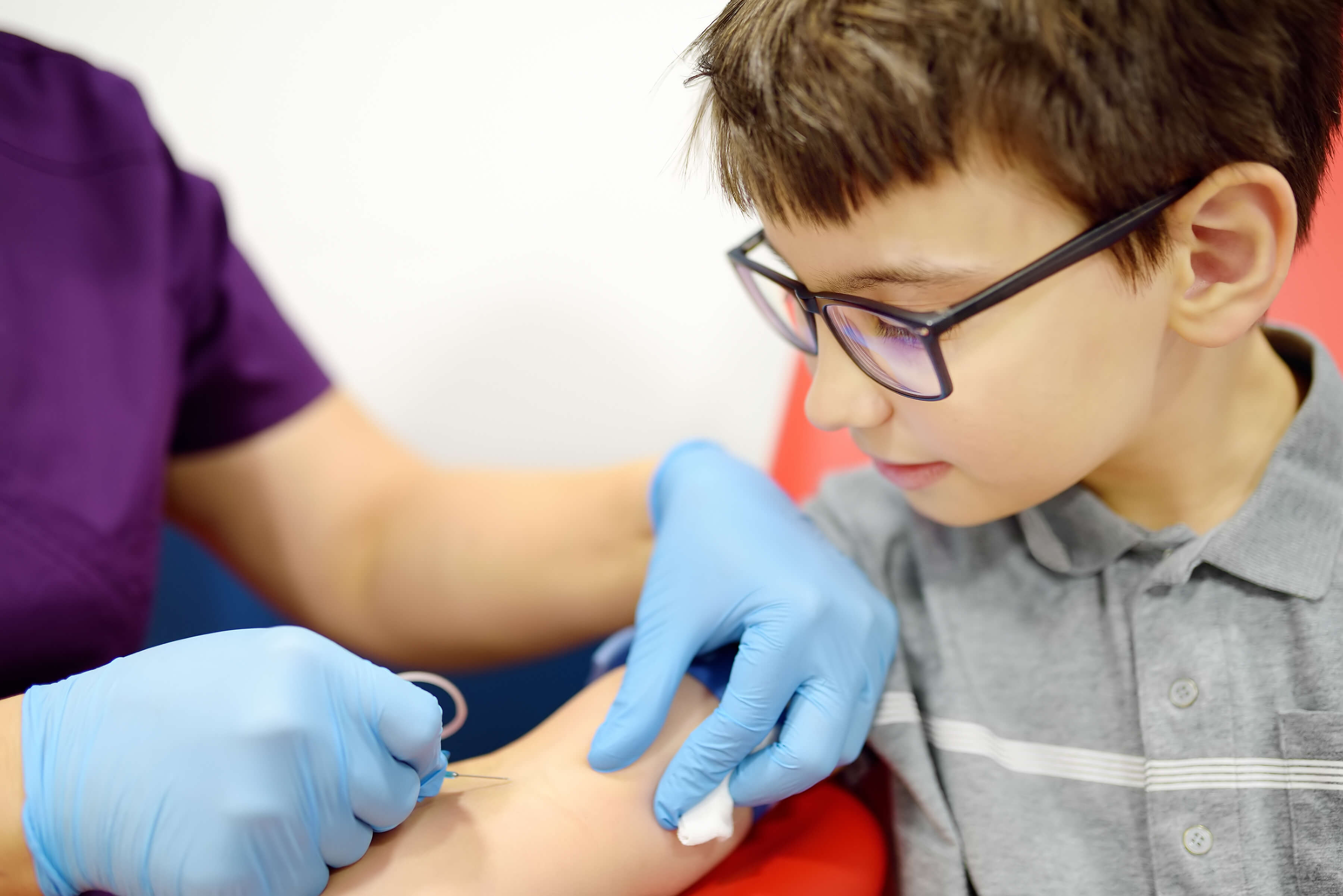
There is no single test that proves PANS or PANDAS. It remains a clinical diagnosis based on history and presentation, supported by targeted labs that help map a child's infectious, immune, and metabolic picture:
- Infection screening: throat culture plus strep antibody titers (ASO and anti-DNase B), and testing for other suspected pathogens such as Mycoplasma. Titers reflect immune history, not just active infection.
- Gut and stool testing: evaluating dysbiosis, pathogens, and gut immune markers, since gut inflammation can feed systemic inflammation.
- Inflammatory markers: general markers such as hs-CRP and ESR to gauge systemic inflammation.
- The Cunningham Panel: a commercial test measuring certain anti-neuronal antibodies. It is sometimes used as supportive information, but it is not a validated stand-alone diagnostic, and a normal or abnormal result does not by itself confirm or rule out the condition. Interpret it only with an experienced clinician.
- Metabolic and nutritional testing: an Organic Acids Test, plus markers like zinc, ferritin, and vitamin D, to find modifiable contributors.
How Treatment Is Approached
Care is typically phased and personalized to what testing finds. The consensus treatment guidelines published in 2017 describe three parallel arms: treating the infection, calming the immune response, and supporting the child psychiatrically and behaviorally.4 It is important to be honest that the overall evidence base is still developing, and high-quality trials remain limited.5
- Treat the infection. When an active bacterial infection like strep is found, antibiotics are first-line. Some clinicians also use targeted botanicals under supervision for co-infections, though evidence here is more limited.
- Calm the neuroinflammation. Short courses of anti-inflammatories (such as NSAIDs) under medical oversight, and, in the functional model, agents like curcumin, omega-3s, and mast-cell stabilizers such as quercetin and luteolin.
- Support the gut-brain axis. Targeted probiotics and gut-lining support (L-glutamine, zinc carnosine) to reduce the inflammatory load coming from the gut.
- Support detox and methylation. Glutathione support (NAC or liposomal glutathione) and carefully titrated active folate (5-MTHF) and B12, matched to the child's tolerance.
Practical Steps Parents Can Take at Home
Alongside medical care, a few practical measures can help stabilize the home environment during recovery:
- Replace toothbrushes. Strep can colonize a toothbrush and re-expose a child. Swap all household toothbrushes about 48 hours after starting antimicrobial treatment, and routinely during recovery.
- Screen the household. Family members and even pets can carry strep silently. If a child keeps flaring, ask about screening close contacts.
- Lower the sensory load. During flares, keep the environment calm and low-lit, and remember that the behavior is driven by neuroinflammation, not willful misbehavior. Respond with regulation, not confrontation.
- Keep a symptom journal. Track diet, sleep, exposures, and specific symptoms on a simple 1 to 10 scale. Patterns over time are genuinely useful to your clinician.
Did your child change overnight after an illness?
If an abrupt shift in behavior followed an infection, there may be a biological reason worth investigating. At Neuro Root, we offer functional testing, telehealth consultations, and individualized, clinician-led evaluation to help identify and address root contributors, step by step.
Start with a consultationQuestions Parents Ask
What is the difference between PANS and PANDAS?
PANDAS is specifically triggered by a strep infection and is considered a subset of PANS. PANS is the broader category for sudden-onset neuropsychiatric symptoms that follow other triggers or where no strep link is found. The symptoms can look nearly identical; the difference is the suspected cause.
Can children recover from PANDAS or PANS?
Many children improve, especially when a trigger like strep is identified and treated early, and symptoms can come and go in a relapsing pattern. Recovery varies widely from child to child, and it is managed as an ongoing clinical process rather than a single cure. Early evaluation gives the best footing.
How do you test for PANDAS?
There is no single confirmatory test. It is a clinical diagnosis based on the pattern and timing of symptoms, supported by labs such as a throat culture and strep antibody titers (ASO, anti-DNase B). Tests like the Cunningham Panel may be used as supportive information but cannot diagnose the condition on their own.
Is PANDAS the same as autism?
No. Autism is a neurodevelopmental difference, while PANS and PANDAS describe a sudden, often dramatic onset of symptoms usually linked to an immune trigger. They can look similar in some moments and can co-occur, which is one reason a careful history of how and when symptoms began matters so much.
References & Resources
- Swedo SE, Leonard HL, Garvey M, et al. Pediatric autoimmune neuropsychiatric disorders associated with streptococcal infections: clinical description of the first 50 cases. Am J Psychiatry. 1998;155(2):264–271. PubMed
- Chang K, Frankovich J, Cooperstock M, et al. Clinical evaluation of youth with pediatric acute-onset neuropsychiatric syndrome (PANS): recommendations from the 2013 PANS Consensus Conference. J Child Adolesc Psychopharmacol. 2015;25(1):3–13. PMC
- Kirvan CA, Swedo SE, Heuser JS, Cunningham MW. Mimicry and autoantibody-mediated neuronal cell signaling in Sydenham chorea. Nat Med. 2003;9(7):914–920. PubMed
- Frankovich J, Thienemann M, Pearlstein J, et al. Clinical management of pediatric acute-onset neuropsychiatric syndrome: Part II—use of immunomodulatory therapies. J Child Adolesc Psychopharmacol. 2017;27(7):574–593. PubMed
- Sigra S, Hesselmark E, Bejerot S. Treatment of PANDAS and PANS: a systematic review. Neurosci Biobehav Rev. 2018;86:51–65. PubMed
- National Institute of Mental Health. PANDAS: Questions and Answers. nimh.nih.gov
Disclosure: Neuro Root offers paid telehealth services and laboratory testing, and may earn compensation from tests, products, or services mentioned or linked in this article. This article is educational and is not a substitute for professional medical advice.