The Best Supplements for Autism: An Evidence-Based, Root-Cause Guide for Parents
Autism is a complex neurodevelopmental profile with diverse biological underpinnings. A growing body of research shows that subsets of autistic children have measurable metabolic, mitochondrial, oxidative, or nutritional imbalances. When you target those specific pathways with the right nutrients, real functional gains, in language, social communication, irritability, and hyperactivity, can follow.
The goal here is not to "cure" autism or to blanket-supplement every child. It is to identify a child's underlying metabolic needs and support brain health precisely. Below is a breakdown of the best-supported supplements for autism, organized by how strong the clinical evidence actually is, with the lab testing that should guide each one.
The "Test, Don't Guess" Framework
Before any individual nutrient, one principle keeps supplementation safe and effective: test, don't guess.
Autism is heterogeneous. A supplement that produces dramatic language gains in one child can cause agitation in another, because their underlying biochemistry is entirely different. High-dose folate helps a child with folate receptor autoantibodies, but may do little for a child whose main driver is mitochondrial dysfunction.
Working with a functional or integrative clinician to run targeted panels, an Organic Acids Test (OAT), a comprehensive nutrient screen, folate receptor antibody testing, and mitochondrial markers, lets you build a precise, individualized protocol around your child's actual physiology instead of a shelf full of guesses.
Category 1: The Strongest Evidence Base
These nutrients stand out because they are supported by double-blind, placebo-controlled randomized controlled trials (RCTs), the gold standard of clinical research. Each one targets a different biological pathway:
1. Folinic Acid (Leucovorin)
Evidence: High · Multiple RCTsPrimary target: language acquisition, verbal communication, social interaction

A significant subset of autistic children produces folate receptor alpha autoantibodies (FRAAs). These block folate from crossing the blood-brain barrier through its normal receptor, producing cerebral folate deficiency (CFD): normal folate in the blood, but a brain starved of a nutrient it needs for neurotransmitters, myelination, and DNA methylation.
Standard folic acid, and even methylfolate, may not reliably overcome that blockage. Folinic acid can, because it enters the central nervous system through an alternate route, the reduced folate carrier. Randomized controlled trials led by Dr. Richard Frye found that high-dose folinic acid produced statistically significant gains in verbal communication, especially in children who tested positive for folate receptor autoantibodies.1
Key takeaway: folinic acid is especially relevant for non-verbal or minimally verbal children with suspected or confirmed cerebral folate deficiency.
2. Sulforaphane (Broccoli Sprout Extract)
Evidence: High · Placebo-Controlled TrialPrimary target: behavior, social responsiveness, verbal communication

Sulforaphane, a compound concentrated in broccoli sprouts, is one of the more compelling molecules in nutritional neuroscience. In a placebo-controlled study from Johns Hopkins and MassGeneral Hospital for Children, autistic young men given daily sulforaphane showed significant improvement on the Aberrant Behavior Checklist and the Social Responsiveness Scale, less irritability, lethargy, and repetitive behavior, with better social interaction. When the supplement stopped, scores drifted back toward baseline.2
It works by activating the Nrf2 pathway, the body's master antioxidant and cellular-defense switch. That calms neuroinflammation, supports mitochondrial function, and helps protect brain cells from oxidative stress. It also appears to mimic the "fever effect," the well-documented observation that some autistic children improve temporarily during a fever.
3. Omega-3 Fatty Acids (EPA and DHA)
Evidence: High to Moderate · Meta-AnalysesPrimary target: irritability, hyperactivity, focus, brain structure
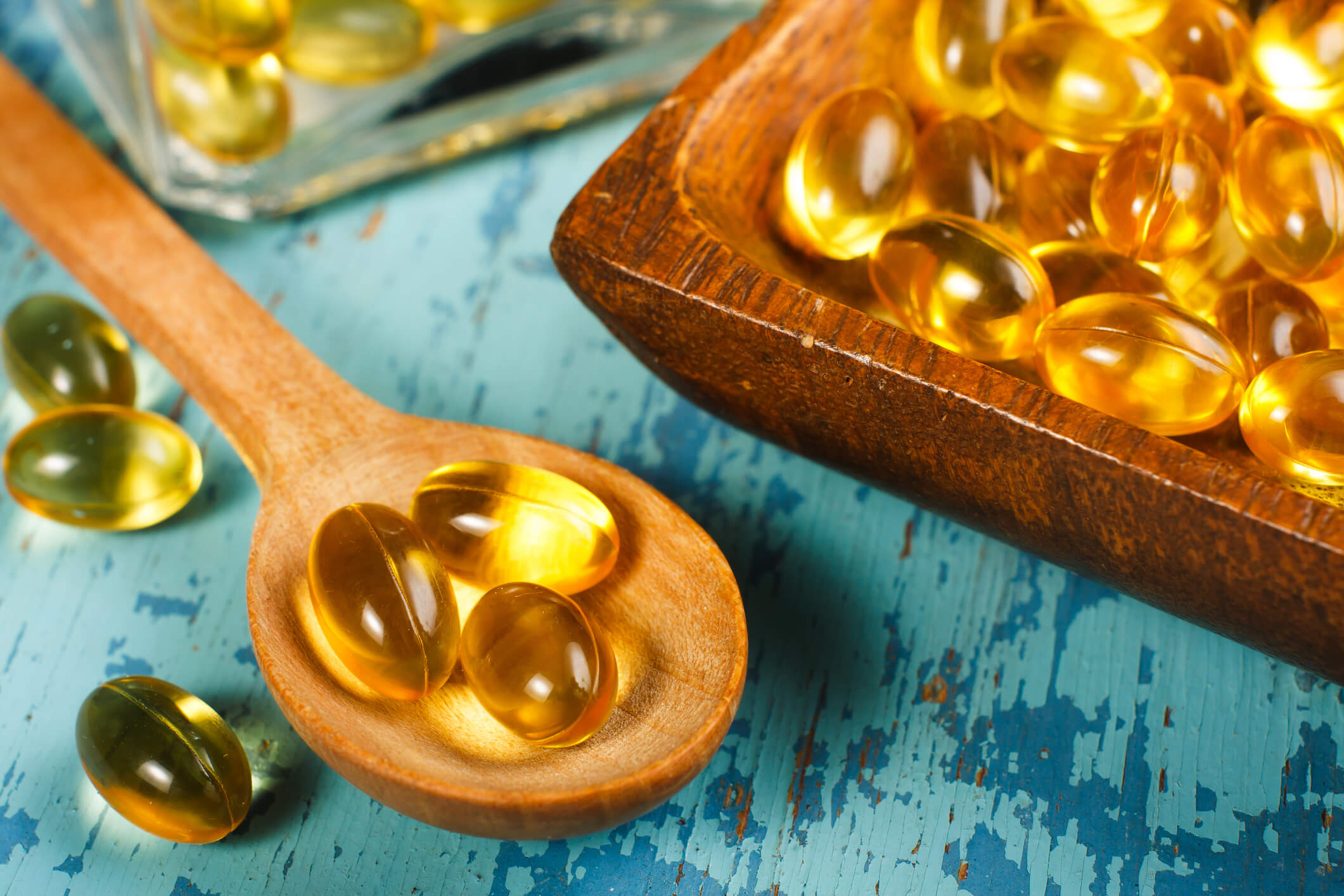
EPA and DHA are foundational components of neuronal cell membranes. DHA makes up a large share of the fatty acids in the cerebral cortex, while EPA helps control inflammation in the body and brain. Autistic children frequently show lower omega-3 levels relative to omega-6.
A meta-analysis of randomized trials found omega-3 supplementation produced modest but consistent improvements in hyperactivity, lethargy, and stereotyped behavior.3 Beyond symptoms, omega-3s improve cell-membrane fluidity, which affects how well neurotransmitter receptors transmit signals across synapses.
4. N-Acetylcysteine (NAC)
Evidence: High to Moderate · Placebo-Controlled RCTPrimary target: irritability, repetitive behaviors, antioxidant restoration
NAC is a precursor to glutathione, the body's most important intracellular antioxidant. Autistic children, on average, show higher oxidative stress and lower glutathione.7 A randomized, double-blind, placebo-controlled trial found NAC significantly reduced irritability and irritability-driven behaviors such as tantrums and self-injury.4
It does two things: it replenishes glutathione to neutralize reactive oxygen species, and it helps modulate glutamate, the brain's main excitatory neurotransmitter, which can calm the hyper-excitable circuits behind anxious and repetitive behavior.
5. Methyl-B12 (Methylcobalamin)
Evidence: Moderate to High · Subgroup RCTPrimary target: overall clinical improvement, language, methylation support
Methyl-B12 is the active coenzyme form of vitamin B12, essential to the methylation cycle that governs gene expression, detoxification, and neurotransmitter production. An RCT led by Dr. Robert Hendren found that while group averages shifted modestly, a distinct responder subgroup showed significant gains in behavior, clinical global impression, and glutathione status.5 It works synergistically with folate, helping restore methionine synthase activity and bring stalled methylation back online.
Category 2: Strong Rationale and Supporting Evidence
These have solid biochemical rationales, strong safety records, and useful supporting trials. They are common building blocks of integrative protocols.
6. Vitamin D3
Evidence: Moderate · Clinical TrialsPrimary target: core symptoms, immune regulation, neuroprotection
Vitamin D deficiency is disproportionately common in autistic children, and vitamin D acts more like a neurosteroid hormone than a simple vitamin, with receptors throughout the brain. A randomized controlled trial found that correcting low vitamin D improved core symptoms including social awareness and repetitive behavior.6 It supports serotonin synthesis, calms immune and microglial over-activation, and raises glutathione in neural tissue. Serum 25-hydroxyvitamin D is cheap and easy to measure, which makes correcting a verified deficiency a low-risk, high-yield first step.
7. The Mitochondrial Core: L-Carnitine, Ubiquinol (CoQ10), and Alpha-Lipoic Acid
Evidence: Moderate · Biomarker Studies & TrialsPrimary target: muscle tone, stamina, speech output, recovery after illness
Up to 30% or more of autistic children show markers of mitochondrial dysfunction, not fatal genetic mitochondrial disease, but functional impairments in cellular energy production. The clinical picture is distinctive: low muscle tone, easy fatigue, GI motility problems, and regression or severe lethargy after ordinary viral infections. A targeted trio supports ATP production:
| Nutrient | Biochemical role | What is observed |
|---|---|---|
| L-Carnitine | Shuttles long-chain fatty acids into mitochondria to be burned for fuel | Improved hand-eye coordination and muscle strength; less physical fatigue |
| Ubiquinol (CoQ10) | Electron carrier in the mitochondrial membrane and a lipid antioxidant | Better cellular energy, focus, and daytime stamina |
| Alpha-Lipoic Acid | Cofactor for mitochondrial enzymes; recycles vitamins C and E and glutathione | Dual energy and antioxidant support |
8. Magnesium (Paired with Vitamin B6)
Evidence: Moderate / HistoricalPrimary target: sleep onset, hyperactivity, sensory over-responsiveness
Magnesium with B6 is one of the oldest nutritional interventions in biological psychiatry, first studied by Dr. Bernard Rimland in the 1970s. Magnesium is a cofactor for over 300 enzyme reactions, including the conversion of glutamate into GABA, the brain's calming neurotransmitter. Sensory over-excitability, restless sleep, and low stress tolerance are all hallmarks of low magnesium. Magnesium glycinate or threonate are well-absorbed and gentle on the gut, and B6 as P-5-P is the active form that helps magnesium get into cells.
Category 3: Promising and Preliminary
These target systemic issues that commonly co-occur with autism. The honest framing is that they often correct an imbalance that, once resolved, lightens the body's overall burden.
9. Targeted Probiotics and Gut Support
Evidence: Emerging / PreliminaryPrimary target: GI distress, regularity, gut-brain signaling, mood
The gut-brain connection in autism is real. Many autistic children have chronic constipation, diarrhea, pain, or increased intestinal permeability, and dysbiosis can let bacterial endotoxins reach circulation and drive neuroinflammation. Early trials with specific strains (such as Lactobacillus plantarum PS128 or spore-based organisms) suggest improving microbiome diversity can influence behavior, mood, and sleep. A comprehensive stool test or OAT should come first, to see whether yeast, Clostridia, or low beneficial flora are actually present before choosing strains.
10. Zinc
Evidence: Preliminary / Deficiency CorrectionPrimary target: picky eating, immune function, metal balance, gut lining
Zinc deficiency is common, partly from restricted diets, but the relationship runs deeper: zinc is required for taste-bud function, so a zinc-deficient child often has altered taste, which reinforces extreme picky eating. Zinc also competes with copper (high copper-to-zinc ratios show up often in autism research), drives metallothionein for clearing heavy metals, and helps maintain the gut lining. The honest framing is deficiency correction rather than a direct autism treatment.
The Methyl-Donor Caution
Methyl donors like methyl-B12 and methylfolate get a lot of attention, but they are not for everyone. In children with certain variants (such as slow COMT) or high baseline anxiety and sensory sensitivity, strong methyl donors can backfire:
A Roadmap for Parents
Resist the urge to buy twenty bottles at once. A systematic, lab-guided progression gives the clearest and safest results.
Foundation
- Vitamin D3
- Omega-3s (EPA/DHA)
- Magnesium + B6
- Zinc
Targeted, evidence-based
- Folinic acid (CFD/FRAA)
- Sulforaphane
- NAC (glutathione)
- Methyl- or hydroxo-B12
Advanced, biomarker-led
- Mito trio (carnitine, CoQ10, ALA)
- Targeted probiotics
- Specific amino acids
Start with core cellular nutrients. Layer in the high-evidence interventions one at a time, based on presentation or labs. Then work with a functional clinician to run organic acids, metabolic, or stool testing to pinpoint mitochondrial weakness, folate transport blocks, or dysbiosis. Grounding every decision in objective testing, rather than one-size-fits-all bundles, is what lets you support your child's unique biochemistry safely.
Not sure which supplements your child actually needs?
The right protocol depends on your child's labs, not a generic list. Neuro Root offers functional testing and telehealth consultations to help you build a targeted, clinician-guided plan, and practitioner-grade supplements to match.
Start with testingQuestions Parents Ask
What is the single best supplement for autism?
There is no universal "best," because it depends on the child's biology. That said, folinic acid has the strongest research support, particularly for language gains in children with folate receptor autoantibodies. Sulforaphane, omega-3s, and NAC also have placebo-controlled trials behind them. Testing is what tells you which one fits your child.
Which autism supplements have real scientific evidence?
The best-supported, backed by randomized or placebo-controlled trials, are folinic acid, sulforaphane, omega-3 fatty acids, NAC, and methyl-B12 in a responder subgroup. Vitamin D, magnesium with B6, and the mitochondrial trio have solid supporting evidence. Probiotics and zinc are more preliminary and are best framed as correcting specific imbalances.
Can supplements make autism symptoms worse?
They can in the wrong child. Methyl donors like methyl-B12 and methylfolate can cause agitation, hyperactivity, and insomnia in children with slow COMT or high sensitivity. That is why you start one nutrient at a time at a low dose, and why non-methylated forms like folinic acid and hydroxocobalamin exist. Work with a clinician.
Do I need lab testing before starting supplements?
For foundational, low-risk nutrients like vitamin D, omega-3, magnesium, and zinc, correcting a likely deficiency is reasonable. For the targeted interventions like folinic acid or the mitochondrial trio, testing (folate receptor antibodies, an Organic Acids Test, nutrient and mitochondrial markers) makes the protocol far more precise and safe.
References
- Frye RE, Slattery J, Delhey L, et al. Folinic acid improves verbal communication in children with autism and language impairment: a randomized double-blind placebo-controlled trial. Mol Psychiatry. 2018;23(2):247–256. Molecular Psychiatry
- Singh K, Connors SL, Macklin EA, et al. Sulforaphane treatment of autism spectrum disorder (ASD). Proc Natl Acad Sci USA. 2014;111(43):15550–15555. PNAS
- Cheng YS, Tseng PT, Chen YW, et al. Supplementation of omega-3 fatty acids may improve hyperactivity, lethargy, and stereotypy in children with autism spectrum disorders: a meta-analysis of randomized controlled trials. Neuropsychiatr Dis Treat. 2017;13:2531–2543. PMC
- Hardan AY, Fung LK, Libove RA, et al. A randomized controlled pilot trial of oral N-acetylcysteine in children with autism. Biol Psychiatry. 2012;71(11):956–961. PubMed
- Hendren RL, James SJ, Widjaja F, et al. Randomized, placebo-controlled trial of methyl B12 for children with autism. J Child Adolesc Psychopharmacol. 2016;26(9):774–783. Full text
- Saad K, Abdel-Rahman AA, Elserogy YM, et al. Randomized controlled trial of vitamin D supplementation in children with autism spectrum disorder. J Child Psychol Psychiatry. 2018;59(1):20–29. PubMed
- James SJ, Cutler P, Melnyk S, et al. Metabolic biomarkers of increased oxidative stress and impaired methylation capacity in children with autism. Am J Clin Nutr. 2004;80(6):1611–1617. PubMed
Disclosure: Neuro Root offers paid telehealth services, laboratory testing, and supplements, and may earn compensation from tests, products, or services mentioned or linked in this article. This article is educational and is not a substitute for professional medical advice.