Methyl-B12 Injections for Autism: What They Are, How They Work, and What the Research Actually Shows
Few biomedical options for autism generate as much discussion, and as much divided opinion, as subcutaneous methylcobalamin (methyl-B12, or mB12) injections. For parents weighing it, the honest answer is more interesting than either the hype or the dismissal: the research shows real biochemical effects and meaningful behavioral gains, but only in a specific subgroup of children.
Clinicians working in integrative and MAPS-trained (Medical Academy of Pediatric Special Needs) frameworks tend to view autism not as a single static condition but as a multisystem one that can involve metabolic, immune, and cellular factors. This article explains what methyl-B12 is, the biochemistry behind why it's used, why it's given as a shot instead of a pill, and what the published clinical trials actually found.
What Is Methyl-B12 (Methylcobalamin)?
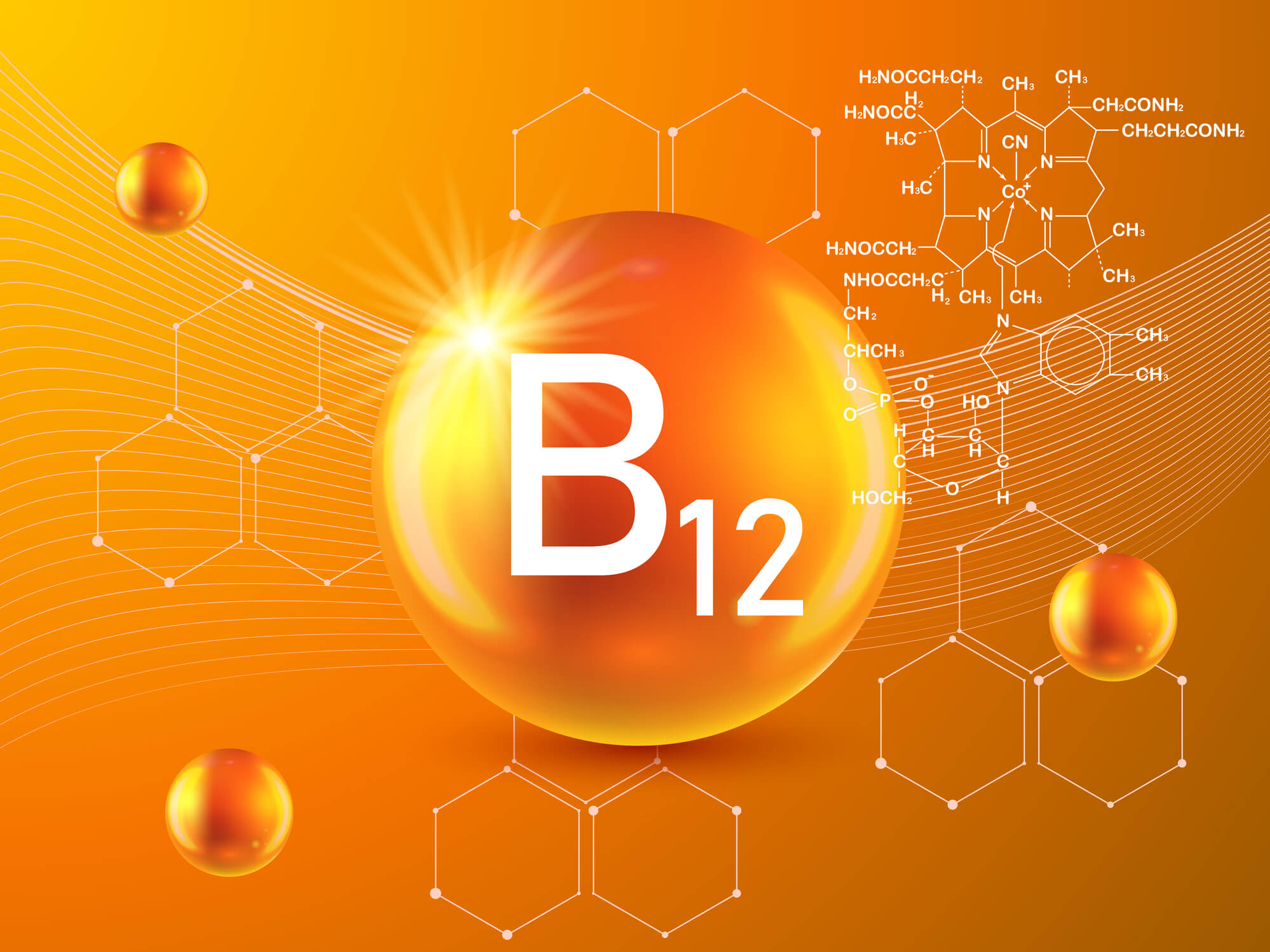
Vitamin B12 is an essential nutrient for nerve function, red blood cell formation, DNA synthesis, and brain metabolism. It comes in several forms:
- Cyanocobalamin: the synthetic, highly stable form in most standard oral vitamins. It carries a cyanide molecule the body must remove before it can use the B12.
- Hydroxocobalamin: a naturally occurring form, often used for injections in standard deficiency settings.
- Adenosylcobalamin: one of the two active forms, used inside mitochondria for energy production.
- Methylcobalamin (mB12): the active form that works in the cell's cytoplasm and the nervous system. It carries a methyl group, making it directly available for the reactions called methylation.
For targeted pediatric protocols, methyl-B12 is prepared as a preservative-free, concentrated subcutaneous injection by specialized compounding pharmacies.
The Biological Rationale: Methylation and Glutathione
To understand why integrative clinicians investigate mB12 for autism, it helps to look at two linked pathways: the methylation cycle and the transsulfuration pathway.
The methylation cycle
Methylation transfers a methyl group to DNA, proteins, and neurotransmitters. It acts like a master molecular switch that regulates gene expression (epigenetics), helps make and recycle neurotransmitters like dopamine and serotonin, and supports the myelin that insulates nerve cells. Methylcobalamin is an essential cofactor for the enzyme methionine synthase, which converts homocysteine back into methionine, which then becomes SAMe, the body's main methyl donor.
The transsulfuration pathway and glutathione
When methylation runs smoothly, some homocysteine flows down the transsulfuration pathway to make cysteine and ultimately glutathione, the body's master antioxidant and a primary tool for neutralizing toxins and oxidative stress.
Why this matters in autism
Biochemical research led by S. Jill James, PhD, found that many children with autism show a distinct metabolic pattern compared with neurotypical peers: reduced SAMe-to-SAH ratios (a sign of lower methylation capacity) and depleted glutathione (a sign of oxidative stress).1 Frequent variants in genes like MTHFR, MTRR, and CBS can add to the bottleneck. The rationale for mB12 therapy is that delivering a high dose of the active form may bypass these enzymatic bottlenecks and help restore methylation and glutathione production.
Why Injections Instead of Pills?
A fair question is why injections are preferred over oral or sublingual B12. Integrative clinicians point to a few reasons specific to autism:
- Gut issues are common. Many children with autism have gastrointestinal inflammation or malabsorption, which can impair the complex, intrinsic-factor-dependent process the gut uses to absorb B12.
- Blood levels don't equal brain levels. Oral B12 can raise blood levels without necessarily getting enough across the blood-brain barrier, which depends on specific transport receptors. A normal serum B12 does not guarantee adequate levels in the brain.
- Steady delivery. Injected into fatty tissue, mB12 forms a slow-release depot that delivers a continuous supply over roughly 72 hours, bypassing the digestive tract entirely.
What the Clinical Research Actually Shows

Clinical interest in mB12 has run high for over two decades, but the number of rigorous trials is still relatively small, and the picture is nuanced rather than clear-cut.
| Study | Design | What it found |
|---|---|---|
| Hendren et al. (2016) | 8-week randomized, double-blind, placebo-controlled trial; 57 children with ASD | Subcutaneous mB12 significantly improved overall clinician-rated symptom scores (CGI-I) versus placebo, and improvement correlated with increases in methionine and methylation capacity.2 |
| James et al. (2009) | Open-label; mB12 injections plus oral folinic acid | Improved the reduced-to-oxidized glutathione ratio (more active antioxidant) and corrected transsulfuration markers, with gains on adaptive behavior measures.3 |
| Secondary analyses | Follow-up on trial data | Overall clinician-rated improvement was seen, but individual symptom domains (specific sociability or repetitive-behavior measures) often did not reach statistical significance on their own. |
Three honest takeaways:
- Biochemical change is consistently shown. Studies repeatedly find mB12 raises methionine, improves the SAMe-to-SAH ratio, and increases antioxidant capacity.
- Behavioral benefit is not universal. mB12 is not a cure or a broad-spectrum treatment. It appears to help a distinct responder subgroup, mainly children who start with measurable methylation deficits or oxidative stress.
- The overall evidence base is still limited. A later systematic review of cobalamin treatment in autism concluded the evidence is promising but mixed, and that larger, higher-quality trials are still needed.4
How It's Used Clinically
Within MAPS and integrative protocols, methylcobalamin is given under structured guidelines. In the published trials, dosing was calculated by body weight (roughly 64.5 mcg/kg), given once every three days as a small subcutaneous injection with a fine insulin-type needle, typically at home by a trained parent while the child rests. These specifics are set and adjusted by the prescribing clinician, not chosen at home.
Side effects and "initial activation"
Methylcobalamin has a high safety margin, and the body excretes excess water-soluble B12 in urine. The more common issue is a temporary "activation" response in the first 2 to 4 weeks, as previously sluggish pathways switch on:
- Hyperactivity or increased energy.
- A temporary increase in stimming or oral sensory seeking.
- Mild irritability, agitation, or shifts in sleep timing.
Clinicians typically manage these by adjusting supporting nutrients (such as folinic acid or magnesium) or by changing dosing frequency until things stabilize. This is exactly the kind of fine-tuning that should happen with a prescriber, not alone.
The Integrative Perspective: One Piece, Not a Standalone

Methyl-B12 is rarely used as a lone therapy. Integrative clinicians treat it as one piece of a broader plan that usually includes gut and nutritional support, cofactor support (pairing mB12 with active folate or folinic acid so the folate-methionine cycle works properly), and the core developmental therapies: speech-language therapy, occupational therapy, and ABA. The idea is that biochemical support may help a child be more regulated and engaged, so they get more out of the therapies that actually build skills.
Wondering if your child is a candidate for methylation support?
Methyl-B12 helps a specific metabolic subgroup, which is exactly why testing before treating matters. At Neuro Root, we offer functional testing, telehealth consultations, and clinician-led protocols to help determine whether methylation and oxidative-stress markers point toward this kind of support for your child.
Start with a consultationQuestions Parents Ask
Do B12 injections actually help children with autism?
In controlled research, methyl-B12 improved overall clinician-rated symptoms in a subgroup of children, and those gains tracked with improved methylation markers. It is not a cure and does not help every child. The best responders tend to be those who start with measurable methylation deficits or oxidative stress, which is why testing first is useful.
Why injections instead of oral B12?
Many children with autism have gut issues that limit B12 absorption, and oral B12 can raise blood levels without reliably reaching the brain. A subcutaneous injection bypasses the gut and provides a steady release over about three days.
What are the side effects of methyl-B12 injections?
B12 itself has a wide safety margin. The most common issue is a temporary "activation" phase in the first few weeks: hyperactivity, more stimming, or irritability as sluggish pathways switch on. Clinicians manage this by adjusting cofactors or dosing. Because these are compounded prescription injections, they should be supervised.
How often are methyl-B12 shots given?
In the published trials, the dose was based on body weight and given as a small subcutaneous injection once every three days, usually at home with a fine insulin-type needle. The exact dose and schedule are set by the prescribing clinician.
References & Resources
- James SJ, Cutler P, Melnyk S, et al. Metabolic biomarkers of increased oxidative stress and impaired methylation capacity in children with autism. Am J Clin Nutr. 2004;80(6):1611–1617. PubMed
- Hendren RL, James SJ, Widjaja F, et al. Randomized, placebo-controlled trial of methyl B12 for children with autism. J Child Adolesc Psychopharmacol. 2016;26(9):774–783. Full text
- James SJ, Melnyk S, Fuchs G, et al. Efficacy of methylcobalamin and folinic acid treatment on glutathione redox status in children with autism. Am J Clin Nutr. 2009;89(1):425–430. PMC
- Rossignol DA, Frye RE. The effectiveness of cobalamin (B12) treatment for autism spectrum disorder: a systematic review and meta-analysis. J Pers Med. 2021;11(8):784. J Pers Med
- National Institutes of Health, Office of Dietary Supplements. Vitamin B12 Fact Sheet for Health Professionals. ods.od.nih.gov
Disclosure: Neuro Root offers paid telehealth services and laboratory testing, and may earn compensation from tests, products, or services mentioned or linked in this article. This article is educational and is not a substitute for professional medical advice.