
The Mitochondrial Cocktail: Supporting Cellular Energy in Autism
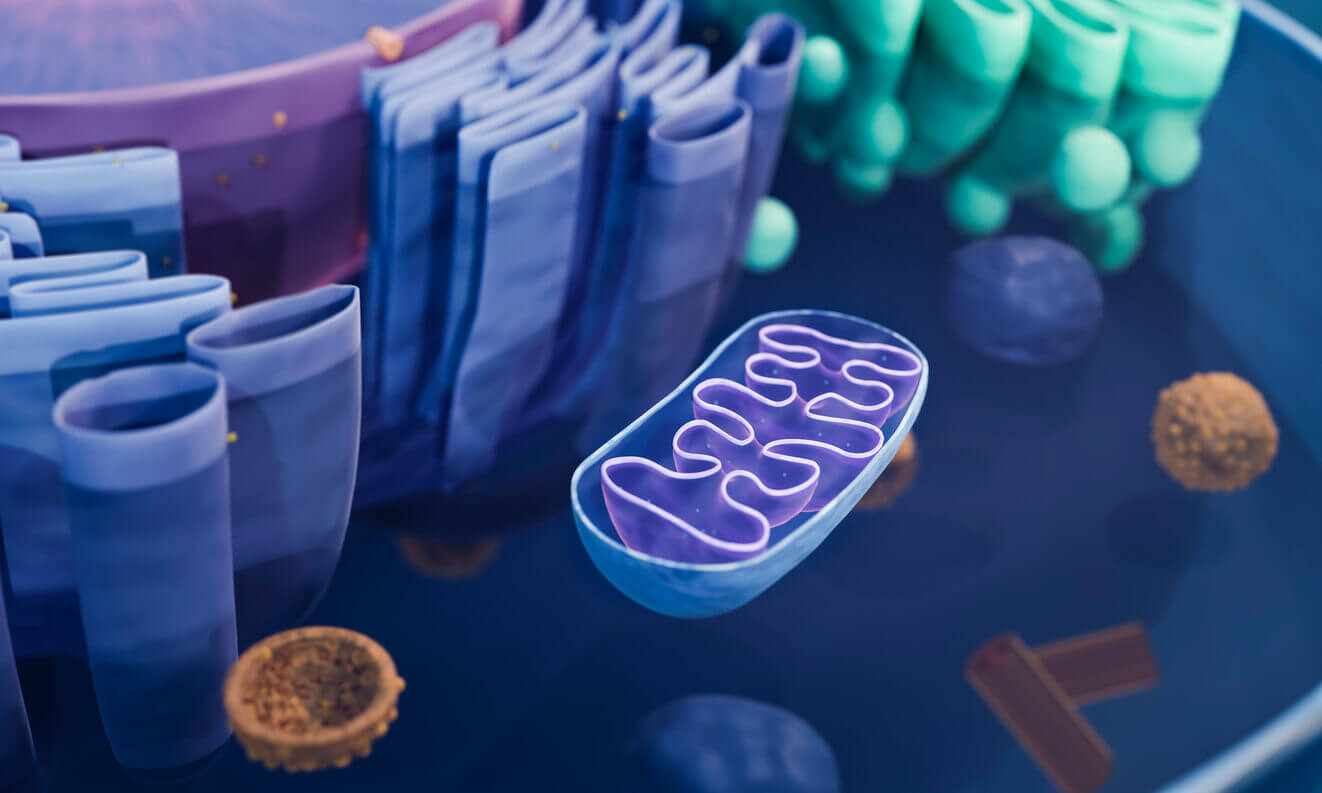
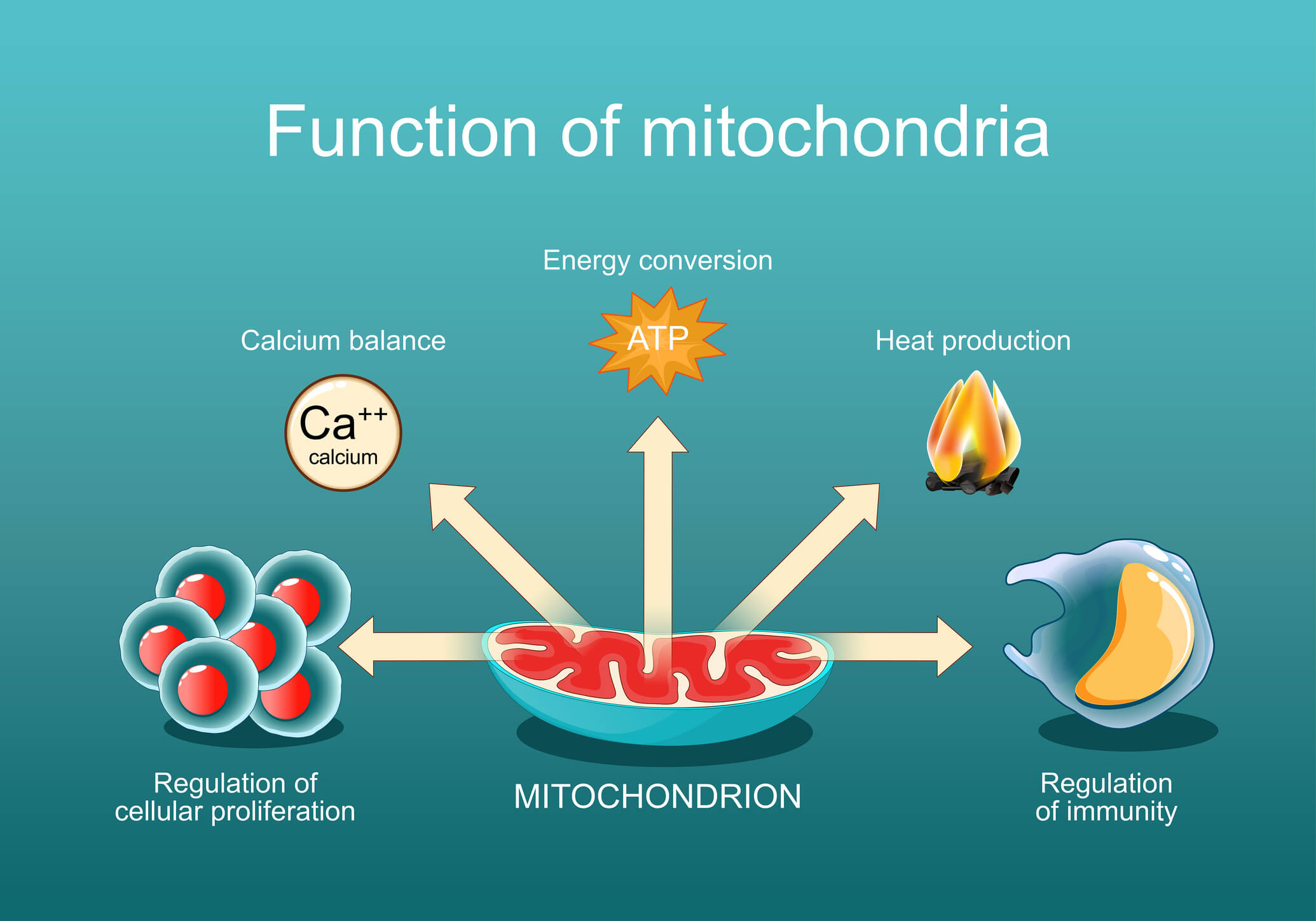
Every cell in your child's body runs on tiny power plants called mitochondria. Their job is to convert the food we eat and the oxygen we breathe into ATP—the universal energy currency that fuels everything from muscle movement to thought. The brain is the single most energy-hungry organ in the body, consuming roughly 20% of our total energy despite making up only about 2% of our body weight. When the cellular power supply falters, the brain is often the first place the shortfall shows up.
What Is Mitochondrial Dysfunction in Autism?
Mitochondrial dysfunction refers to a state in which these power plants aren't producing energy efficiently. This isn't necessarily a broken gene or a catastrophic failure—it's more like an engine running rough: sputtering, overheating, and struggling to keep up with demand. In the context of autism, researchers have proposed that when neurons can't generate enough energy, the downstream effects can include sensory overload, difficulty with focus and communication, fatigue after minimal effort, poor stress tolerance, and gastrointestinal problems.
Importantly, mitochondrial dysfunction is considered a biological contributor that can amplify challenges—not a singular "cause" of autism. Autism is a complex neurodevelopmental condition with strong genetic underpinnings. But a growing body of research suggests that, in a meaningful subset of children, struggling mitochondria place an added tax on an already-taxed nervous system.
Mitochondrial Disease vs. Mitochondrial Dysfunction
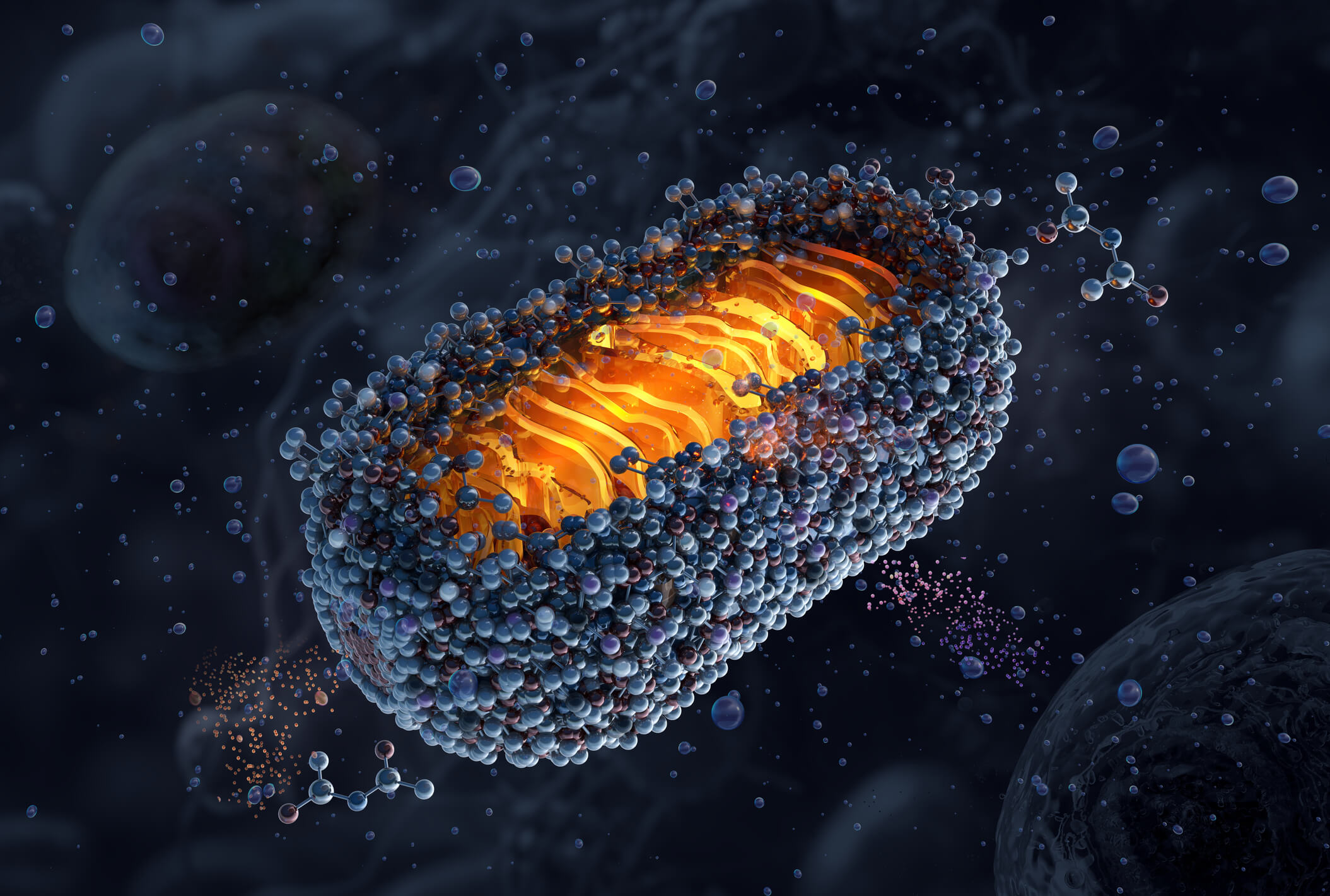
One of the most common points of confusion is the difference between mitochondrial disease and mitochondrial dysfunction. They are not the same thing.
Classic mitochondrial disease is a formally diagnosed, often inherited disorder—typically caused by specific mutations in mitochondrial or nuclear DNA that directly impair the energy-producing electron transport chain. It is diagnosed using established clinical, biochemical, and genetic criteria, tends to be severe and progressive, and is relatively rare in the general population.
Mitochondrial dysfunction, by contrast, is broader and usually milder. It describes measurable impairment in how well the mitochondria are functioning—often detected through abnormal biomarkers rather than a defining genetic mutation. Much of the dysfunction seen in autism appears to be secondary or acquired: driven by oxidative stress, chronic inflammation, environmental toxins, and gut-derived metabolites, rather than a primary inherited defect. Think of classic disease as an engine built with a defective part, and secondary dysfunction as a sound engine gummed up by bad fuel and a clogged filter—the second scenario is, in principle, more responsive to support. It's also why standard genetic testing can come back "normal" while a child still shows clear biochemical signs of struggling energy production.
How Common Is Mitochondrial Dysfunction in Autism?
This is where the research becomes striking. In a comprehensive systematic review and meta-analysis published in Molecular Psychiatry, Rossignol and Frye found that the prevalence of classic mitochondrial disease among children with autism was about 5%—several hundred times higher than the roughly 0.01% seen in the general population.1
But the more important number is the broader one. Signs of mitochondrial dysfunction—abnormal biomarkers like elevated lactate, altered pyruvate, abnormal carnitine, and shifted ubiquinone levels—are dramatically more common. Estimates range from about 30% of autistic children in the meta-analysis of biomarker studies,1 up to 80% in smaller studies that examined the energy machinery inside immune cells directly.2 In other words, while classic disease is rare, some degree of mitochondrial dysfunction may affect anywhere from roughly a third to the large majority of children on the spectrum, depending on the population and how it's measured.
That's a large enough group that many integrative clinicians consider mitochondrial support a worthwhile avenue to investigate—provided it's guided by testing rather than assumption.
What Is the "Mitochondrial Cocktail"?
The "mitochondrial cocktail" isn't a fringe invention—it's a concept borrowed directly from mainstream mitochondrial medicine, where physicians have long used combinations of vitamins, cofactors, and antioxidants to support energy production and reduce oxidative damage. In the autism context, the same strategy is applied to children whose testing suggests mitochondrial dysfunction.
If the mitochondria are like an engine running rough, the cocktail works on several fronts at once: it delivers fuel into the mitochondria, keeps the energy assembly line moving, and mops up the exhaust (free radicals) that damages the machinery over time. Three ingredients form the foundation:
L-Carnitine
The delivery truck. Carnitine ferries long-chain fatty acids across the mitochondrial membrane so they can be burned for ATP—the primary fuel pathway for high-energy tissue like the brain and muscle. Many autistic children test low or borderline, which leaves a rich fuel source stranded outside the furnace and can show up as low stamina and poor muscle tone.
Ubiquinol (CoQ10)
The spark plug of the electron transport chain. Ubiquinol physically shuttles electrons between the complexes that generate ATP—without enough of it, the assembly line stalls no matter how much fuel arrives. It's the reduced, more absorbable form of CoQ10, and it doubles as a front-line antioxidant that protects the mitochondria from the free radicals their own activity produces.
Alpha-Lipoic Acid
The bodyguard. Uniquely both water- and fat-soluble, ALA can protect nearly every compartment of the cell, including the fatty mitochondrial membranes. It also acts as a metabolic cofactor and helps regenerate other antioxidants—vitamins C and E and, critically, glutathione, the master antioxidant that's frequently depleted in children with autism.
The supporting cast (individualized by testing)
Among the supporting cast, methylcobalamin (methyl-B12) deserves a special mention: the active, methylated form of vitamin B12 drives methylation—the pathway that builds neurotransmitters, supports DNA regulation, and helps recycle glutathione. In autism, where methylation is often sluggish, methyl-B12 (frequently paired with folinic acid, its partner in the same pathway) supports the step that turns raw cellular energy into brain signaling. The exact formulation varies from child to child—and that's the point. A mitochondrial cocktail is meant to be individualized based on a child's biochemistry and lab results, not applied as a one-size-fits-all megadose.
Has the Cocktail Actually Helped Children with Autism?
This is the question that matters most, and it deserves an honest answer: the evidence is promising but still preliminary, and it is strongest for individual ingredients rather than the full cocktail.
L-carnitine has the most rigorous support. In a prospective, double-blind, randomized, placebo-controlled trial—the gold standard—children with autism who received L-carnitine for three months showed statistically significant improvements in standardized measures of autism severity compared with placebo, with gains in strength and cognition correlating with rising blood carnitine levels.3 A separate six-month randomized trial reported gains in concentration, eye contact, language, and motor skills.4
Ubiquinol has encouraging but less rigorous evidence: an open-label study found improvements in verbal communication and other symptoms alongside better mitochondrial markers—suggestive rather than definitive, since it wasn't placebo-controlled.5 And the three-ingredient combination itself has been examined in a small open-label trial of children with documented mitochondrial dysfunction, where carnitine, CoQ10, and alpha-lipoic acid improved both mitochondrial function and behavior—gains that notably regressed after the supplements were withdrawn, which suggests they were tied to the treatment.6
The pattern is consistent: some children—particularly those with measurable dysfunction—show meaningful improvements in energy, communication, and focus when their mitochondria are supported. But these are largely small studies, several are unblinded, and responses are not universal. Larger, longer trials are still needed before mitochondrial support can be called an established treatment. It works best as a targeted, individualized intervention for children whose testing actually points to mitochondrial involvement—not a blanket supplement for every child on the spectrum. (Review of these treatments.)
Getting Started

If your child struggles with low stamina, fatigue after minimal activity, regression during illness, or persistent developmental stalls, mitochondrial dysfunction may be one piece worth investigating—and it's a piece that testing can actually illuminate. The goal isn't to guess; it's to gather objective data and build a personalized plan around it.
At NeuroRoot, we offer telehealth consultations and functional lab testing to help families explore whether mitochondrial support makes sense for their child, and to design a safe, individualized protocol with clinical guidance every step of the way. You can learn more and get started at NeuroRoot.com.
References
- Rossignol DA, Frye RE. Mitochondrial dysfunction in autism spectrum disorders: a systematic review and meta-analysis. Mol Psychiatry. 2012;17(3):290–314. PubMed
- Giulivi C, Zhang YF, Omanska-Klusek A, et al. Mitochondrial dysfunction in autism. JAMA. 2010;304(21):2389–2396.
- Geier DA, Kern JK, Davis G, et al. A prospective double-blind, randomized clinical trial of levocarnitine to treat autism spectrum disorders. Med Sci Monit. 2011;17(6):PI15–PI23.
- Fahmy SF, El-hamamsy MH, Zaki OK, Badary OA. L-carnitine supplementation improves the behavioral symptoms in autistic children. Res Autism Spectr Disord. 2013;7:159–166.
- Gvozdjáková A, Kucharská J, Ostatníková D, et al. Ubiquinol improves symptoms in children with autism spectrum disorder. Oxid Med Cell Longev. 2014;2014:798957.
- Rossignol DA, Frye RE. Treatments for biomedical abnormalities associated with autism spectrum disorder. Front Pediatr. 2014;2:66. Frontiers
Disclosure: Neuro Root may earn revenue from services or tests ordered through our platform. This article is educational and is not a substitute for professional medical advice. Supplements and mitochondrial support should be undertaken only under qualified clinical supervision.