Why Won't My Autistic Child Sleep? The Melatonin, Gut, and Methylation Connections
Why sleep problems in autism are usually biological, not behavioral, and what actually helps
It's 2:00 AM. The rest of the neighborhood is asleep, but your house is fully lit. Your child is wide awake, either full of boundless energy or distressed and crying, and you are running on empty. If you're the parent of an autistic child, this scene probably feels all too familiar.
Sleep challenges are among the most pervasive and exhausting parts of raising a child on the spectrum. Research consistently finds that a large share of autistic children (estimates commonly run from about 40% up to 80%) experience chronic sleep disturbances, from taking hours to fall asleep, to waking repeatedly in the night, to being up for the day at 4:00 AM.1
Standard advice usually means stricter bedtime routines, blackout curtains, or behavior-based sleep strategies. Good sleep hygiene helps, but it often fails to resolve the core problem, because sleep problems in autistic children are rarely just behavioral. They're deeply biological. To understand why your child can't sleep, we have to look beneath the surface at four interlocking systems: melatonin production, the gut microbiome, methylation, and cerebral folate deficiency.
1 The Melatonin Pipeline: Breakdown at the Source
Melatonin is often called the "sleep hormone," but it's really a master circadian regulator (and a powerful neural antioxidant). Made by the pineal gland in response to darkness, it tells the body to wind down, lower its core temperature, and move into restorative sleep. In neurotypical people, melatonin is low by day, rises sharply in the evening, peaks mid-night, and tapers by morning. In autistic children, that curve is often flattened, delayed, or missing.
This isn't just theory. A systematic review in Developmental Medicine & Child Neurology found that individuals with autism tend to have lower melatonin (or lower melatonin metabolites), and that some have abnormalities in the very genes involved in melatonin synthesis.2 Several factors drive that blunted output:
- Enzyme impairments: converting serotonin to melatonin depends on enzymes like ASMT and AANAT; variants common in autism can slow the whole assembly line.
- Low serotonin conversion: serotonin is melatonin's direct precursor, so if serotonin is low or poorly transported, the brain can't make enough melatonin no matter how dark the room is.
- Circadian-gene dysregulation: clock genes (CLOCK, PER1/2, CRY1) set the rhythm of hormone release; when they're off, the body reads light and dark cues poorly.
Why supplemental melatonin isn't always a quick fix
Melatonin supplements can genuinely help autistic children fall asleep, and the evidence for sleep-onset is reasonably good.3 But many parents hit two walls. First, the middle-of-the-night wake-up: standard immediate-release melatonin clears within a few hours, so a child who fell asleep easily at 8:30 can be wide awake at 1:00 when it wears off and the body doesn't make its own. Second, dosing creep: without addressing why the body isn't synthesizing melatonin, parents keep raising the dose, which can bring vivid dreams, morning grogginess, or paradoxical hyperactivity.
2 The Gut-Brain Axis: Where Sleep Is Manufactured
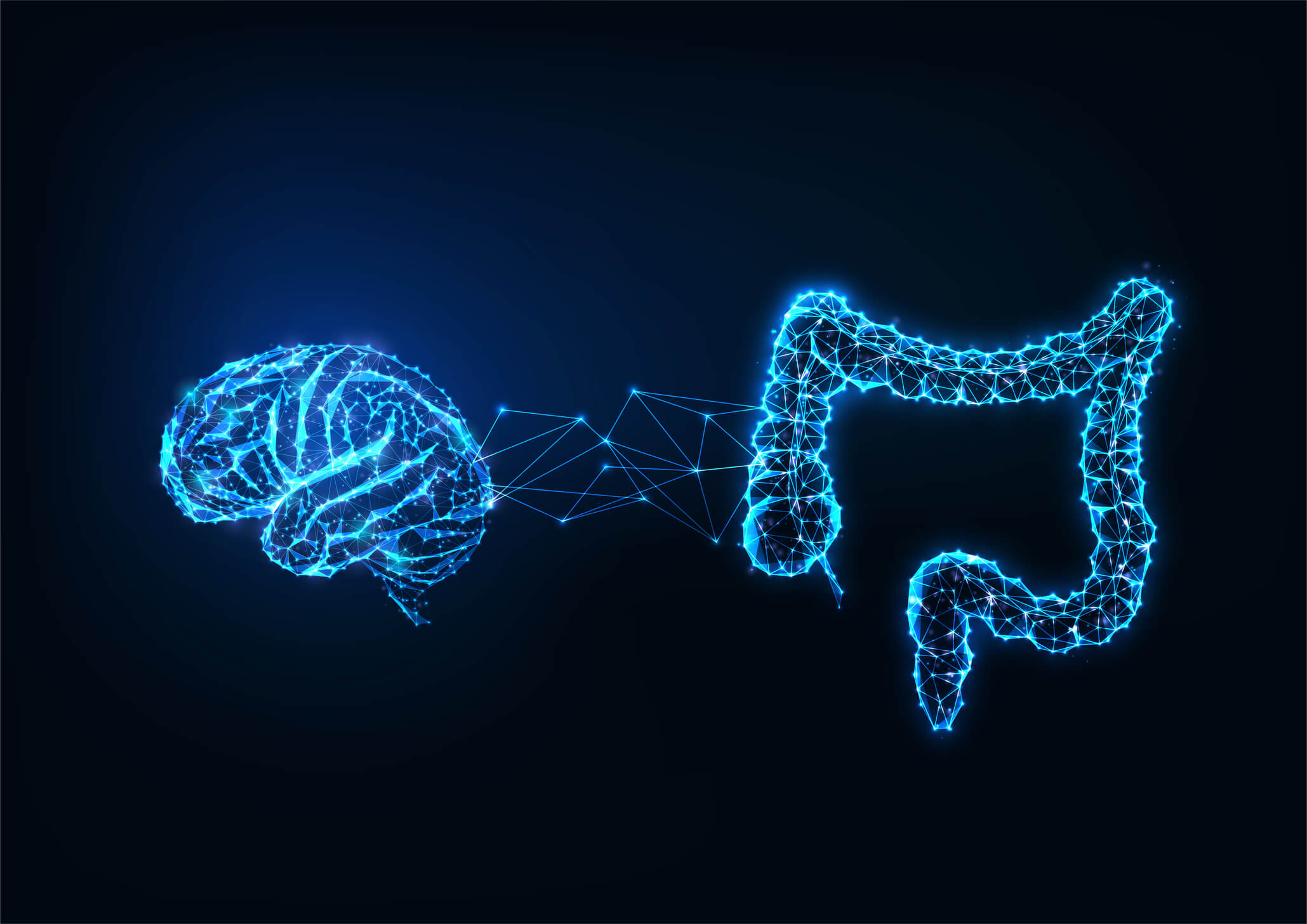
You can't discuss sleep biochemistry without the gut. The gut and brain talk constantly through the vagus nerve, immune signals, and microbial metabolites, and a large share of autistic children live with chronic GI distress. Here's how three gut factors sabotage sleep:
| Gut factor | Biological impact | Effect on sleep |
|---|---|---|
| Dysbiosis & overgrowth | Pathogenic bacteria and yeast produce excess LPS (endotoxin) | Drives inflammation and neuroinflammation that suppress sleep centers |
| GABA / serotonin deficit | Fewer Bifidobacterium and Lactobacillus | Less of the calming neurotransmitters needed to relax and settle |
| High histamine / leaky gut | Permeable gut lets proteins and byproducts into the bloodstream | Physical discomfort, restlessness, and nighttime awakenings |
The gut as neurotransmitter factory. Over 90% of the body's serotonin and much of its GABA are made in the gut, largely by beneficial bacteria. When dysbiosis lets Clostridia or Candida overrun those strains, production drops, and the brain loses the raw material it needs to build melatonin in the evening. (We go deep on this in our guide to gut dysbiosis and the gut-brain axis.)
High histamine and leaky gut. A permeable gut triggers immune activation and low-grade inflammation, and dysbiosis often raises histamine. In the brain, histamine is a potent wakefulness signal, so high levels keep the nervous system in hyper-arousal, making deep sleep nearly impossible.
Physical discomfort and nighttime pain. A child with limited communication can't always tell you they have reflux, gas cramps, or a dull ache lying flat. Pain spikes cortisol and adrenaline, the exact opposite of the calm parasympathetic state sleep requires. A child who wakes screaming at 2:00 AM may simply be in GI pain.
3 The Methylation Connection: The Biochemical Engine
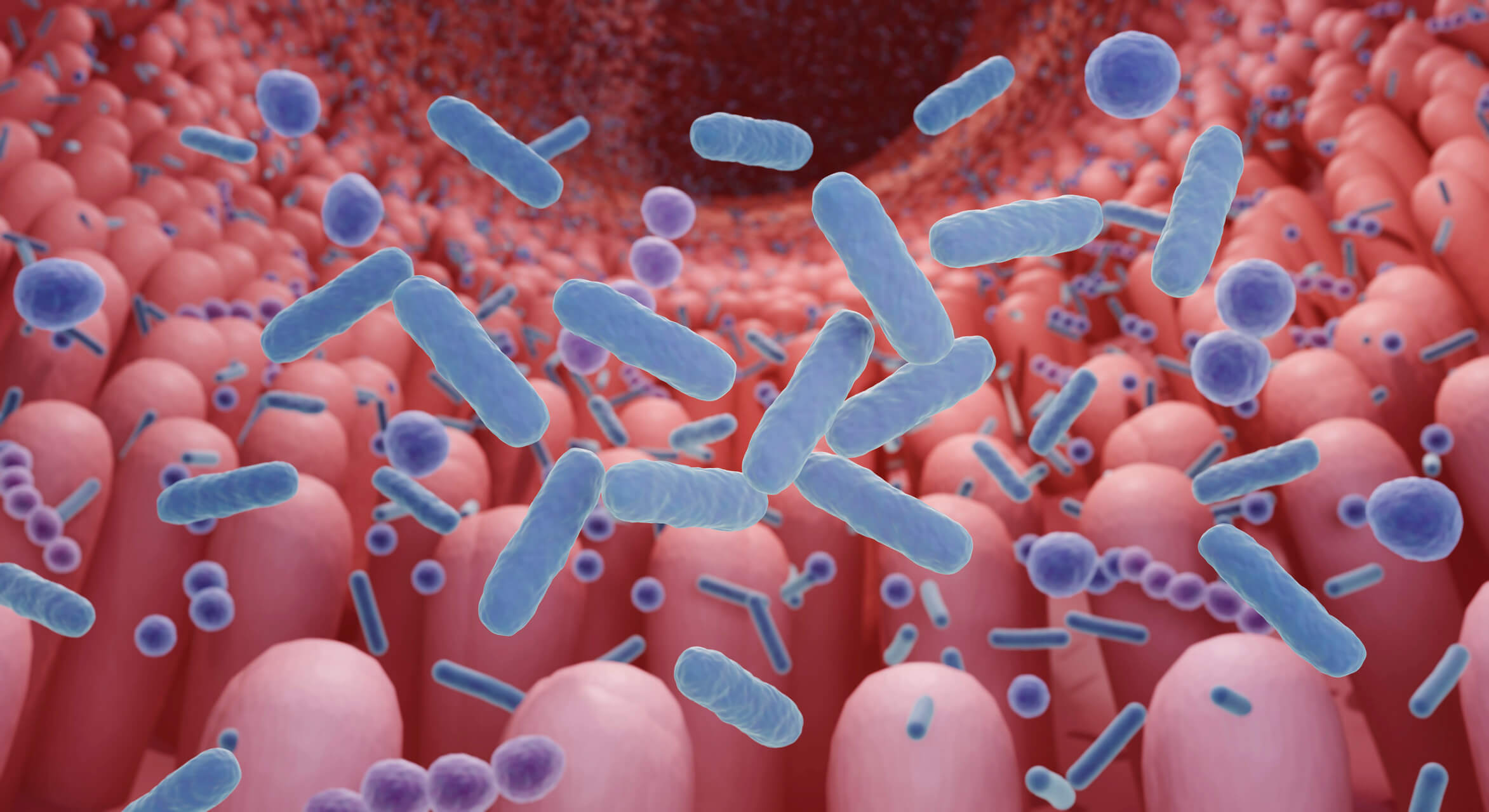
To see why melatonin and neurotransmitters fall short, go one level deeper, to the methylation cycle. Methylation transfers a methyl group from one molecule to another, billions of times per second, and it acts like an internal traffic system that switches genes on and off, clears toxins, and builds neurotransmitters. It drives sleep in three specific ways:
- Serotonin to melatonin: the final step converting N-acetylserotonin into melatonin needs a methyl group donated by SAMe. If methylation is sluggish, SAMe runs low and the conversion stalls even when serotonin is adequate.
- Clearing stress chemicals: the COMT enzyme that breaks down dopamine, adrenaline, and noradrenaline depends on methylation. Slow methylation means slow COMT, so stress hormones linger and the child stays in fight-or-flight at bedtime.
- Histamine breakdown: the HNMT enzyme that clears brain histamine also needs methyl groups, so poor methylation leaves histamine high and wakefulness on.
Gene variants (SNPs) in this pathway are common in autism: MTHFR (C677T, A1298C) reduces the enzyme that activates folate; MTR/MTRR depend on B12 to recycle homocysteine into methionine; and slow COMT variants mean stress and sensory input from the day take much longer to clear, feeding bedtime anxiety and racing thoughts. When the methylation engine runs low, the body struggles to switch sleep mode on and alert mode off. Our mitochondrial cocktail guide covers the energy side of this same machinery.
4 Cerebral Folate Deficiency: The Hidden Inhibitor

A frequently overlooked factor is Cerebral Folate Deficiency (CFD): dangerously low active folate (5-MTHF) inside the central nervous system, even when blood folate looks completely normal. The brain needs 5-MTHF for neurotransmitter synthesis, myelin, and DNA repair, but folate can't drift into the brain freely. It must be actively carried across the blood-brain barrier by Folate Receptor Alpha (FRα).
In many autistic children that transport system is compromised. Folate receptor autoantibodies (FRAAs) can block 5-MTHF from binding, or bind the receptor and trigger inflammation that disables it.4 Two other contributors: transporting folate via FRα is energy-intensive, so mitochondrial dysfunction can starve the receptors of the ATP they need; and FOLR1 gene mutations can directly alter the receptor itself.
When the brain is starved of folate, it can't make enough BH4 (tetrahydrobiopterin), a cofactor needed to build dopamine, serotonin, and noradrenaline, so serotonin drops and melatonin falls with it. CFD is strongly associated with severe sleep disruption: persistent night awakenings, difficulty reaching deep slow-wave sleep, and frequent night terrors. These children often look exhausted by day yet become agitated and vocal at night, unable to drop into deep sleep because of central neurochemical starvation. Our full guide on why leucovorin sometimes doesn't work digs into this.
How These Systems Interlock
These problems don't operate alone. They form a cascade where failure in one system amplifies the others:
The combined result is a nervous system stuck on high alert, lacking both the calming neurotransmitters to settle and the melatonin to hold sleep through the night. That's why chasing any single fix so often disappoints, and why identifying which links are broken for your child matters.
5 A Root-Cause Action Plan

When sleep problems stem from biology, behavior tweaks alone rarely fix them. A systematic, medically supported approach does, done with a functional or neurodevelopmental clinician, not by guessing:
- Test to find the broken links. A Folate Receptor Antibody Test (FRAT) for FRAAs, a comprehensive stool analysis (dysbiosis, Candida, calprotectin), an Organic Acids Test (OAT) for metabolic and neurotransmitter markers, and genomic profiling of methylation and melatonin SNPs (MTHFR, MTR/MTRR, COMT, ASMT).
- Support the biochemistry, guided by labs. For confirmed FRAAs or CFD, folinic acid (leucovorin) can reach the brain via an alternate route under medical supervision; pre-methylated B-vitamins (L-methylfolate, methyl-B12, P-5-P) support methylation; and a dual-release melatonin (practitioner-guided) can cover both sleep onset and maintenance.
- Restore the gut. Reduce inflammatory triggers (gluten, dairy, high-histamine foods where relevant), clear overgrowth under care, reseed with well-chosen probiotics, and soothe the lining (L-glutamine, zinc carnosine, DGL).
- Optimize circadian cues. 10–15 minutes of morning sunlight (builds daytime serotonin, the raw material for evening melatonin), no blue-light screens for ~2 hours before bed (red night lights are fine), and a calm sensory setup: weighted blanket, white noise, cool steady room (about 65–68°F).
Hope for Restful Nights

If you're navigating sleepless nights, please hear this: it is not your fault, and it is not simple refusal to sleep. Your child's body may be fighting an invisible battle, a shortage of brain folate, a stalled methylation cycle, an inflamed gut, or an inability to make melatonin. Their nighttime wakefulness is often a physiological expression of discomfort or chemical imbalance. When you shift from behavioral enforcement to biochemical investigation, real pathways open up, and as you address the root causes, sleep often follows.
Frequently Asked Questions
Why does my autistic child wake up in the middle of the night?
A common cause is that immediate-release melatonin wears off after a few hours and the body doesn't produce its own to bridge the rest of the night. Gut discomfort, high histamine, and lingering stress hormones from impaired methylation can also drive 1–3 AM awakenings.
Why doesn't melatonin work for my autistic child?
Melatonin often helps with falling asleep but not staying asleep, because standard forms clear quickly. If the underlying reason the body can't make its own melatonin (methylation, gut, or folate-transport issues) isn't addressed, supplements alone tend to fall short, and raising the dose can backfire.
Can gut problems cause sleep issues in autism?
Yes. Over 90% of the body's serotonin (melatonin's precursor) is made in the gut, so dysbiosis lowers the raw material for sleep. Gut inflammation, high histamine, and physical GI pain also directly disrupt sleep.
What tests help find the cause of sleep problems?
Commonly a Folate Receptor Antibody Test (FRAT), a comprehensive stool analysis, an Organic Acids Test (OAT), and genomic profiling of methylation and melatonin-related genes. Testing points to which system to support rather than guessing.
Ready to find out why your child can't sleep?
Sleepless nights usually have a biological driver, and it's one testing can uncover. At Neuro Root, our telehealth consultations and functional lab testing help families check the systems that matter here (folate transport, gut health, methylation, and metabolic markers), then build a safe, individualized plan to support real, restorative sleep.
Start with root-cause testingReferences
- Reviews report chronic sleep problems in a large share of autistic children (estimates commonly ~40–80%, varying by definition and population). See systematic review of melatonin RCTs for sleep in ASD/ADHD: PMC7325410.
- Rossignol DA, Frye RE. Melatonin in autism spectrum disorders: a systematic review and meta-analysis. Dev Med Child Neurol. 2011;53(9):783–792. Wiley
- Systematic review of randomized clinical trials of melatonin for sleep problems in ASD/ADHD reports a high response rate versus placebo, with higher doses (>10 mg) not more effective. PMC. PMC7325410
- Ramaekers VT, Rothenberg SP, Sequeira JM, et al. Autoantibodies to folate receptors in the cerebral folate deficiency syndrome. N Engl J Med. 2005;352(19):1985–1991. NEJM
Disclosure: Neuro Root offers paid telehealth services and laboratory testing, and may earn compensation from tests, products, or services mentioned or linked in this article. This article is educational and is not a substitute for professional medical advice.