
Pica in Autism: Why Kids Eat Non-Food Items (and the Mineral-Deficiency Link)
A root-cause look at compulsive non-food eating, sensory seeking, and the biochemistry underneath
It's 7:15 AM. You walk into your six-year-old's room and your heart drops. He's quietly gnawing a chunk of drywall peeled from behind the bed. Or you find him scooping mouthfuls of potting soil, or you notice chewed-up collars, hair, erasers, and plastic scattered across the play space. Panic sets in. Is he going to be poisoned? Is there lead in that paint? Could this cause a blockage? Why is he doing this?
If this sounds painfully familiar, you are far from alone. You've entered the stressful world of pica, the persistent eating of non-food items with no nutritional value. Pica can occur in neurotypical toddlers exploring their world, but its prevalence is far higher in the autistic community, where it's not a quirky phase but a chronic, frightening, sometimes dangerous daily hazard.
Standard advice often stops at behavioral management: lock up the chemicals, block access to dirt, redirect. Environmental safety is non-negotiable, but management isn't healing. Redirection treats the symptom, not the driver. It never answers the real question: why is my child driven to eat dirt, paper, metal, or drywall in the first place? To answer that, we have to look at the biology underneath, meaning mineral status, sensory processing, and the gut.
What Exactly Is Pica?

The DSM-5 defines pica as eating non-nutritive, non-food substances for at least a month, in a way that's inappropriate to the child's developmental level (which is why mouthing in children under two, a normal part of exploration, doesn't count). In autistic children it shows up in many forms:
- Geophagia: soil, clay, sand, mud.
- Pagophagia: compulsive ice chewing (classically tied to iron deficiency).
- Amylophagia: raw starch, cornstarch, flour.
- Trichophagia: hair (their own, family members', or pets').
- Lithophagia and xylophagia: stones and gravel; wood, paper, cardboard.
- Hazardous materials: drywall, paint chips (lead risk), metal, coins, glass, cigarette butts, feces, and plastics.
1 The Root-Cause Framework
Conventional medicine often files pica as a behavioral "quirk" or a feature of intellectual disability. But functional and neurodevelopmental research points to a deeper, multifactorial web. In autistic children, pica usually sits at the intersection of four drivers:
- Biochemical deficiencies: especially iron and zinc.
- Sensory regulation and interoception: seeking deep oral input, or muted body and hunger signals.
- Gut-brain axis and dysbiosis: inflammation, microbiome imbalance, malabsorption.
- Behavioral reinforcement and anxiety: chewing as self-soothing under stress.
The mineral link is the most actionable place to start, because it's measurable and treatable.
2 The Mineral-Deficiency Link: Iron and Zinc
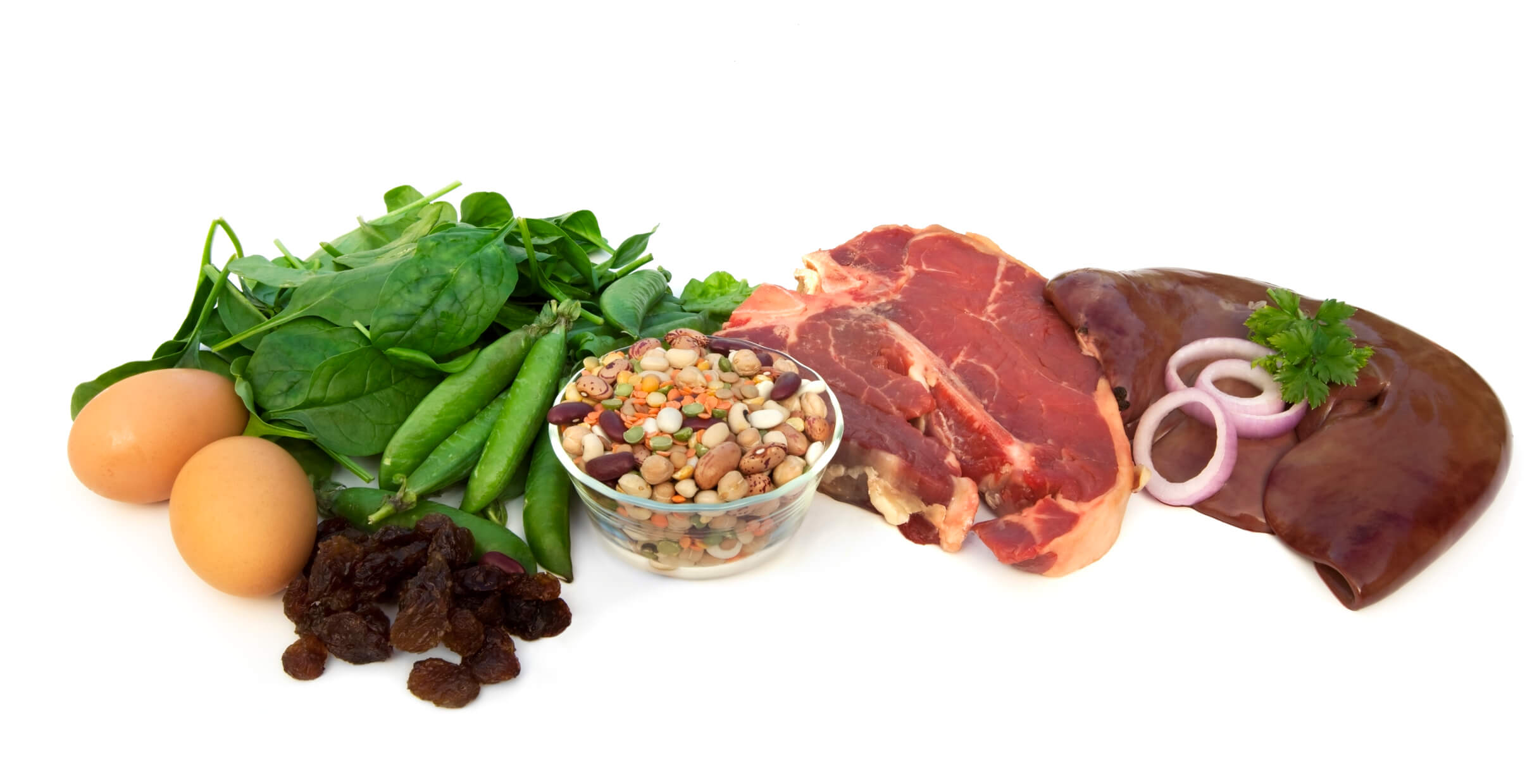
Researchers have long noted a striking correlation between pica and nutritional deficiency. In some cases pica appears to be an innate, if misguided, drive to seek missing micronutrients. Autistic children are especially vulnerable to mineral shortfalls thanks to selective eating, restrictive diets, high rates of GI inflammation, and impaired absorption. Two minerals stand out.
Iron deficiency (the universal pica catalyst)
Iron is the most well-documented deficiency linked to pica in both neurotypical and neurodivergent people.1 Beyond carrying oxygen, iron is a cofactor for tyrosine hydroxylase, the rate-limiting enzyme in dopamine synthesis, and dopamine governs reward, motivation, and sensory gating. When iron drops (or stored iron, ferritin, is depleted even with "normal" hemoglobin), dopamine signaling shifts, which can surface as compulsive, obsessive oral behaviors. Pagophagia (ice) and geophagia (earth) are classic clinical signs of iron deficiency.2
Zinc deficiency (taste, appetite, and the gut lining)
If iron is the heavy hitter, zinc is its close counterpart, a mineral involved in hundreds of enzyme reactions, including taste and smell. Zinc is needed to make gustin, a salivary protein essential for healthy taste buds. When zinc is low, taste and smell blunt or distort (dysgeusia), and children may chase intensely textured, chalky, or metallic non-food items because ordinary food feels muted and unrewarding.3 Zinc also maintains the tight junctions of the gut lining, so deficiency worsens intestinal permeability and further impairs mineral absorption, creating a vicious cycle. Autistic children frequently show functional zinc deficiency, sometimes with elevated copper-to-zinc ratios.
3 Beyond Minerals: Sensory Seeking and the Oral Drive
Correcting iron and zinc is huge, but a purely nutritional lens misses autism's sensory reality. Many autistic children are sensory seekers or under-responsive in the mouth and jaw. Proprioception, the body's sense of position, is intense in the jaw, which is packed with nerve endings. Chewing, biting, and gnawing deliver powerful "heavy work" feedback that calms an overwhelmed or under-stimulated nervous system, functioning much like a weighted blanket for the mouth. That's why a child may chew drywall, plastic, or fabric under stress: it's regulation, not defiance.
| Driver | Common signs | Underlying mechanism |
|---|---|---|
| Iron deficiency | Ice chewing, dirt/clay eating, fatigue, pallor | Dopamine-pathway disruption, altered oxygenation, compulsive urges |
| Zinc deficiency | Chalk/metal/paper chewing, extreme food selectivity | Distorted taste (dysgeusia), impaired gustin, gut permeability |
| Sensory seeking | Chewing clothing, plastics, hair, non-toxic objects | Oral proprioceptive craving, nervous-system self-regulation |
| Gut dysbiosis | Pica flaring with bloating, constipation, GI distress | Microbial metabolites driving cravings, malabsorption, vagal signaling |
4 The Gut-Brain Axis and Microbial Cravings
You can't discuss pica without the gut. Autistic children have disproportionately high rates of GI issues, including constipation, SIBO, Candida overgrowth, and mucosal inflammation, and emerging research suggests specific microbes and their metabolites can influence appetite and cravings directly. Yeast or bacterial overgrowth can drive intense cravings for starch and unusual substances, and when the gut barrier is compromised, partially digested proteins may exert opioid-like effects that heighten anxiety and self-soothing behaviors like pica. We go deep on this in our guide to gut dysbiosis and the gut-brain axis.
5 A Step-by-Step Root-Cause Action Plan

A methodical investigation turns panic into a clear plan, done with a qualified clinician, never by supplementing blindly:
- Test comprehensively. Ask for a full iron panel (serum iron, TIBC, transferrin saturation, ferritin), plasma zinc and serum copper (for the zinc-to-copper ratio), a metabolic and micronutrient panel (magnesium, vitamin D, B12, folate), and, if your child eats soil, paint chips, or metal, heavy-metal screening.
- Replete safely, guided by labs. Gentle, bioavailable iron forms (like iron bisglycinate) reduce the constipation and gastric distress of ferrous sulfate; zinc via easy chelates, balanced with copper only if labs confirm it's needed. Dose to weight and lab findings under professional guidance.
- Substitute the sensory need. You can't just tell a sensory-seeking child to stop chewing, so meet the need with safe, medical-grade silicone "chewelry" and oral tools, plus crunchy and chewy foods (celery, carrots, jerky, chewy dried fruit) that satisfy the jaw during meals.
- Contain the environment. Lock up chemicals and laundry pods; repair chipped drywall and peeling paint; supervise soil and sand play; keep floors clear of small objects and choking hazards, all while the biochemistry is being addressed.
From Fear to Strategy
Discovering your child is eating non-food items is terrifying. It triggers a visceral fear for their safety. But reframing pica not as stubborn defiance but as a biological message, a distress flare from a body grappling with low iron, depleted zinc, sensory dysregulation, or gut imbalance, changes everything. When you stop fighting the behavior and start investigating the cause, fear becomes strategy.
Frequently Asked Questions
Why does my autistic child eat non-food things like dirt or ice?
The most common drivers are mineral deficiency (especially iron and zinc), sensory seeking (the jaw craves deep "heavy work" input), and gut imbalances that alter cravings. Ice and dirt cravings specifically are classic signs of low iron. Testing is the way to know which applies.
What deficiency is most associated with pica?
Iron deficiency is the best-documented, and it can be present even when a standard CBC looks normal, which is why a full iron panel including ferritin matters. Zinc deficiency is the other major mineral link, often affecting taste.
Should I give my child an iron supplement for pica?
Not without testing first. Iron is toxic in excess and can feed gut pathogens, so repletion should be guided by a full iron panel and dosed by a clinician. The goal is to correct a measured deficiency, not to guess.
Is pica dangerous?
It can be. Risks include lead and heavy-metal poisoning, toxic ingestions, choking, and intestinal blockage. Environmental safety and prompt medical attention for dangerous ingestions come first, alongside investigating the underlying cause.
Decode what your child's body is trying to tell you.
Pica is often a signal, and it's one testing can actually read. At Neuro Root, our telehealth consultations and functional lab testing help families check the things that matter here (a full iron panel with ferritin, zinc-to-copper ratio, micronutrients, and gut health), then build a safe, individualized repletion and sensory plan, so you're addressing the root cause, not just locking the cabinets.
Start with root-cause testingReferences
- Barton JC, Barton JC, Bertoli LF. Pica associated with iron deficiency or depletion: clinical and laboratory correlates in 262 non-pregnant adult outpatients. BMC Hematol. 2010;10:9. Available here
- Cross-sectional analysis of pica and earth-scent craving in iron deficiency, associating pica with lower serum ferritin. PMC. PMC10786324
- Bay A, Dogan M, Bulan K, et al. A study on the effects of pica and iron-deficiency anemia on oxidative stress, antioxidant capacity and trace elements in children. Hum Exp Toxicol. 2013;32(9):895–903. Available here. See also zinc's role in taste via gustin and taste-bud maintenance.
Disclosure: Neuro Root offers paid telehealth services and laboratory testing, and may earn compensation from tests, products, or services mentioned or linked in this article. This article is educational and is not a substitute for professional medical advice.