
Autism and Chronic Constipation: Why It Happens and What Actually Helps
Beyond "more fiber and MiraLAX", the gut, microbial, and nervous-system drivers under the surface
If your autistic child struggles with chronic constipation, you already know it's more than an inconvenience. It can mean days without a bowel movement, hard or painful stools, bloating, stomachaches, and a child who's miserable, irritable, or sleeping badly without being able to tell you why. And you've probably been handed the same advice more than once: more fiber, more water, a daily dose of MiraLAX.
Those things aren't wrong, but for many autistic children they don't fix the problem, because the constipation has biological drivers that fiber and laxatives don't touch. This is one of the most common and most under-recognized issues in autism, and it's worth understanding what's actually going on underneath.
How Common Is It, Really?

Gastrointestinal problems are far more frequent in autistic children than in their peers, and constipation sits at the top of the list. A large systematic review found that autistic children are roughly three to four times more likely to experience GI symptoms, including significantly higher rates of constipation, than typically developing children.1 Individual studies put constipation prevalence anywhere from about 20% to 50% or higher, depending on how it's defined and measured.2
It's also under-recognized, for a reason that matters: a child with limited communication may not be able to say "my stomach hurts" or "it hurts to go." Instead, the discomfort comes out sideways, as behavior. So the true rate is likely higher than what gets formally diagnosed, because the signal is so often missed.
1 Why Constipation and Behavior Are Connected
This is the piece conventional advice usually skips. When a child is backed up, impacted, or in abdominal pain, the body responds with stress hormones, discomfort, and poor sleep, and in a child who can't verbalize it, that shows up as:
- Meltdowns, irritability, or aggression that seem to come from nowhere
- Night waking and restless, fragmented sleep from physical discomfort
- Reduced appetite, which further worsens diet and stool quality
- Withholding, where a child who had one painful bowel movement starts actively holding it in to avoid the pain, which makes the next one harder, a self-reinforcing cycle
Parents and clinicians regularly find that when the constipation is genuinely resolved, the "behavior problem" eases too, because it was pain all along. That's why this is worth taking seriously rather than managing at the surface.
2 The Microbial Drivers: Dysbiosis, Candida, SIBO, and Clostridia
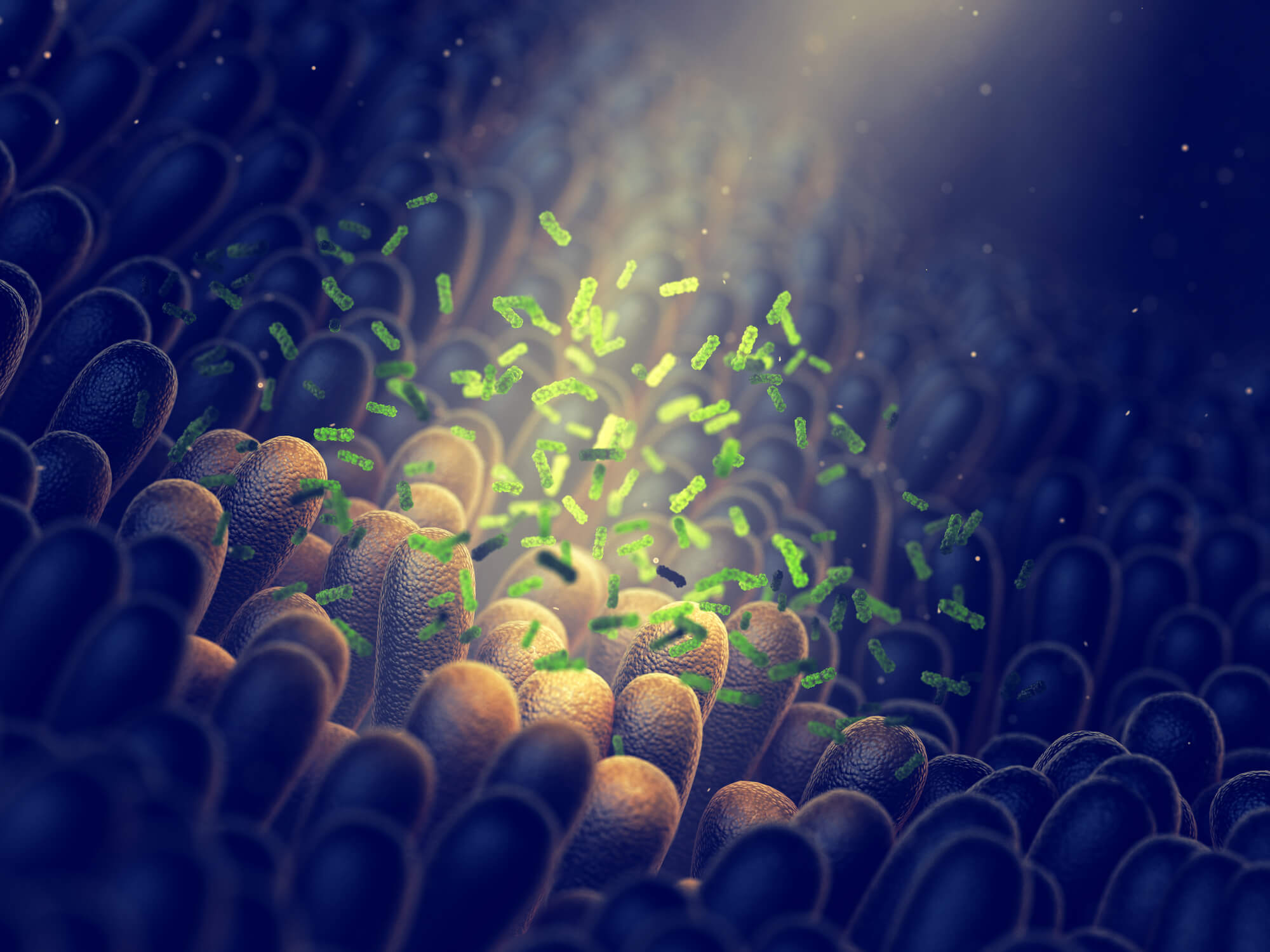
Here's where autism-related constipation gets its own character, and where the standard "fiber and fluids" advice runs out of road. The community of microbes living in the gut has a direct hand in how well the bowel moves, and in autistic children that community is frequently out of balance (a state called dysbiosis).3 Several specific players show up again and again:
Clostridia and the propionic-acid problem
Multiple studies have found elevated Clostridium species in autistic children, and especially in those with constipation.3 Some of these bacteria overproduce propionic acid, a short-chain fatty acid that, at high levels, can affect gut motility and has been studied for its effects on behavior and brain function. A gut dominated by these organisms can become a gut that simply doesn't move well.
The butyrate shortfall
Not all short-chain fatty acids are a problem, one of them, butyrate, is essential: it fuels the cells lining the colon and helps regulate healthy motility. Research in constipated autistic children points to reduced butyrate-producing bacteria, which may be one reason the bowel becomes sluggish.4 So it's not just "bad bacteria too high," it's often "motility-supporting bacteria too low" at the same time.
Candida and fungal overgrowth
Yeast, especially Candida, is a frequent passenger in the dysbiotic autistic gut, often after rounds of antibiotics clear out the bacteria that normally keep it in check. Fungal overgrowth contributes to inflammation and produces metabolites that can disturb normal gut function and feed the carbohydrate cravings that worsen diet. We cover this in depth in our guide to gut dysbiosis, mold, and antifungal strategies.
SIBO (small intestinal bacterial overgrowth)
Normally the small intestine keeps a relatively low bacterial count. In SIBO, bacteria that belong further down migrate up and overgrow in the small intestine, where they ferment food too early, producing gas, bloating, and discomfort. Certain gases produced in SIBO (methane in particular) are known to slow intestinal transit, which ties SIBO directly to constipation rather than just bloating. SIBO and slow motility can also become a loop: sluggish movement lets bacteria overgrow, and the overgrowth further slows things down.
3 The Nervous System and Muscle Side
The gut has its own dense network of nerves (the enteric nervous system), and it's in constant two-way conversation with the brain through the gut-brain axis and the vagus nerve. Two autism-associated factors feed into constipation here:
- Serotonin and motility: the large majority of the body's serotonin is made in the gut, and serotonin is a key regulator of the muscle contractions (peristalsis) that move stool along. When gut serotonin signaling is disrupted, which is common in autism, motility can suffer.
- Low muscle tone (hypotonia): many autistic children have lower overall muscle tone, and the bowel is muscle too. Weaker, less coordinated contractions of the intestinal wall and the muscles used to push mean slower transit and harder stools.
Add in sensory and toileting factors, interoception differences that make it hard to feel the urge to go, anxiety around the toilet, or routines that make bathroom time stressful, and you can see why this rarely comes down to a single cause.
4 Diet, Selective Eating, and Hydration

Finally, the inputs. Many autistic children are selective eaters, and the "safe foods" that feel manageable are often beige, processed, low-fiber carbohydrates, crackers, chicken nuggets, white bread, with few vegetables or high-fiber foods. Combine that with limited fluid intake (some children drink very little, or avoid water for sensory reasons) and you have a recipe for hard, infrequent stools even before the microbial and nervous-system factors are considered.
This is the part conventional advice gets right, it just usually stops here, as if diet and water were the whole story. They're one layer of several. (Our guide to reversing selective eating walks through expanding a narrow diet gently.)
5 Why Standard Fixes Often Fall Short
Fiber and osmotic laxatives like polyethylene glycol (PEG/MiraLAX) can genuinely help, and for acute relief or clearing an impaction under medical guidance, they have a real role. The problem is using them indefinitely as the only strategy:
- They manage the symptom (moving stool along) without changing why the bowel is sluggish in the first place.
- Added fiber can backfire when dysbiosis, Candida, or SIBO are present, feeding fermentation and worsening bloating.
- Months or years of daily laxatives with no investigation can mean a treatable root cause, an overgrowth, a motility issue, a dietary gap, goes unaddressed.
None of this means stopping what your doctor prescribed. It means pairing symptom relief with a look underneath.
6 A Root-Cause Action Plan

A methodical approach, done with a qualified clinician, gets further than guessing:
- Get a proper medical evaluation first. Before anything else, have a doctor rule out impaction and any red-flag causes, and address acute constipation safely. This step is non-negotiable and comes before any root-cause work.
- Investigate with functional testing. A comprehensive stool analysis can reveal dysbiosis, Candida, Clostridia, inflammation markers, and short-chain fatty acid patterns; an Organic Acids Test (OAT) adds urinary markers of yeast and bacterial overgrowth and metabolic function. This is how you find out which of the drivers above is actually at play.
- Rebalance the gut. Based on results, address overgrowth under practitioner care, reseed with appropriate probiotics, support butyrate-producing bacteria, and soothe the gut lining, rather than applying a generic protocol.
- Fix the inputs. Work on gradually expanding dietary variety and fiber (gently, and only if it doesn't worsen fermentation), improve hydration, and support regular, low-stress toileting routines.
- Support motility and the nervous system. Address magnesium status, movement and physical activity, and the sensory/toileting pieces, with professional guidance, especially where low tone or serotonin signaling are involved.
The Bottom Line
Chronic constipation in an autistic child is rarely just "not enough fiber," and it's rarely just behavior. It's usually a combination, an imbalanced gut ecosystem, altered motility and muscle tone, serotonin signaling, and a limited diet, layered on top of a child who may not be able to tell you how much it hurts. When you stop managing only the symptom and start investigating the drivers, you often resolve not just the constipation but the pain-driven behavior and sleep problems riding along with it.
Frequently Asked Questions
Is it normal for autistic kids to be constipated?
It's very common, autistic children are roughly three to four times more likely to have GI problems, and constipation is the most frequently reported. "Common," though, doesn't mean it should be ignored; chronic constipation has real drivers worth investigating.
Can constipation cause behavior problems or meltdowns?
Yes. In a child who can't easily describe pain, the discomfort of being backed up or impacted often surfaces as irritability, meltdowns, aggression, or poor sleep. Resolving the constipation frequently eases the behavior, because it was pain all along.
When should I see a doctor about my child's constipation?
Promptly for severe pain, a swollen or tender belly, vomiting, blood in the stool, "overflow" leakage, or any sudden change, and generally any time constipation becomes chronic. A doctor should rule out impaction and red-flag causes before you pursue root-cause work.
Does MiraLAX fix the root cause?
No. Osmotic laxatives like MiraLAX (PEG) help move stool along and have a real role in relief and clearing impaction under medical guidance, but they don't change why the bowel is sluggish. Lasting improvement usually means addressing the underlying drivers too. Don't stop a prescribed treatment on your own.
Tired of just managing the symptom?
If your child has been on daily laxatives for months with no real answer, it may be time to look underneath. At Neuro Root, our telehealth consultations and functional lab testing (including comprehensive stool and organic-acids panels) help families pinpoint what's actually driving the constipation, dysbiosis, Candida, Clostridia, SIBO, or motility issues, and build a safe, individualized plan.
Start with root-cause testingReferences
- McElhanon BO, McCracken C, Karpen S, Sharp WG. Gastrointestinal symptoms in autism spectrum disorder: a meta-analysis. Pediatrics. 2014;133(5):872–883. (Autistic children ~3–4x more likely to have GI symptoms, including constipation.) PubMed
- Reviews of constipation in ASD report a wide prevalence range (roughly 20% to 50%+ depending on definition). See review: Managing constipation in children with ASD.
- Studies report altered gut microbiota in autistic children, with elevated Clostridium species associated with GI symptoms including constipation. See: Probiotics and the gut-brain axis in ASD and ASD, constipation, and the gut microbiome.
- Analyses of constipated autistic children report altered short-chain fatty acids and reduced butyrate-producing bacteria. Sci Rep. Altered gut microbiota and SCFAs in children with ASD.
Disclosure: Neuro Root offers paid telehealth services and laboratory testing, and may earn compensation from tests, products, or services mentioned or linked in this article. This article is educational and is not a substitute for professional medical advice.