
Understanding the OAT Test: What a Urine Organic Acids Panel Reveals
A plain-English guide to one of the most useful first tests in biomedical autism care
If you've started exploring the biomedical side of autism, you've almost certainly run into three letters: OAT. It gets recommended constantly as a starting point, but rarely explained in a way that makes sense to a parent. So here's the plain version: what the Organic Acids Test is, what it can actually show you about your child, and why so many functional practitioners reach for it first.
What Is the OAT?
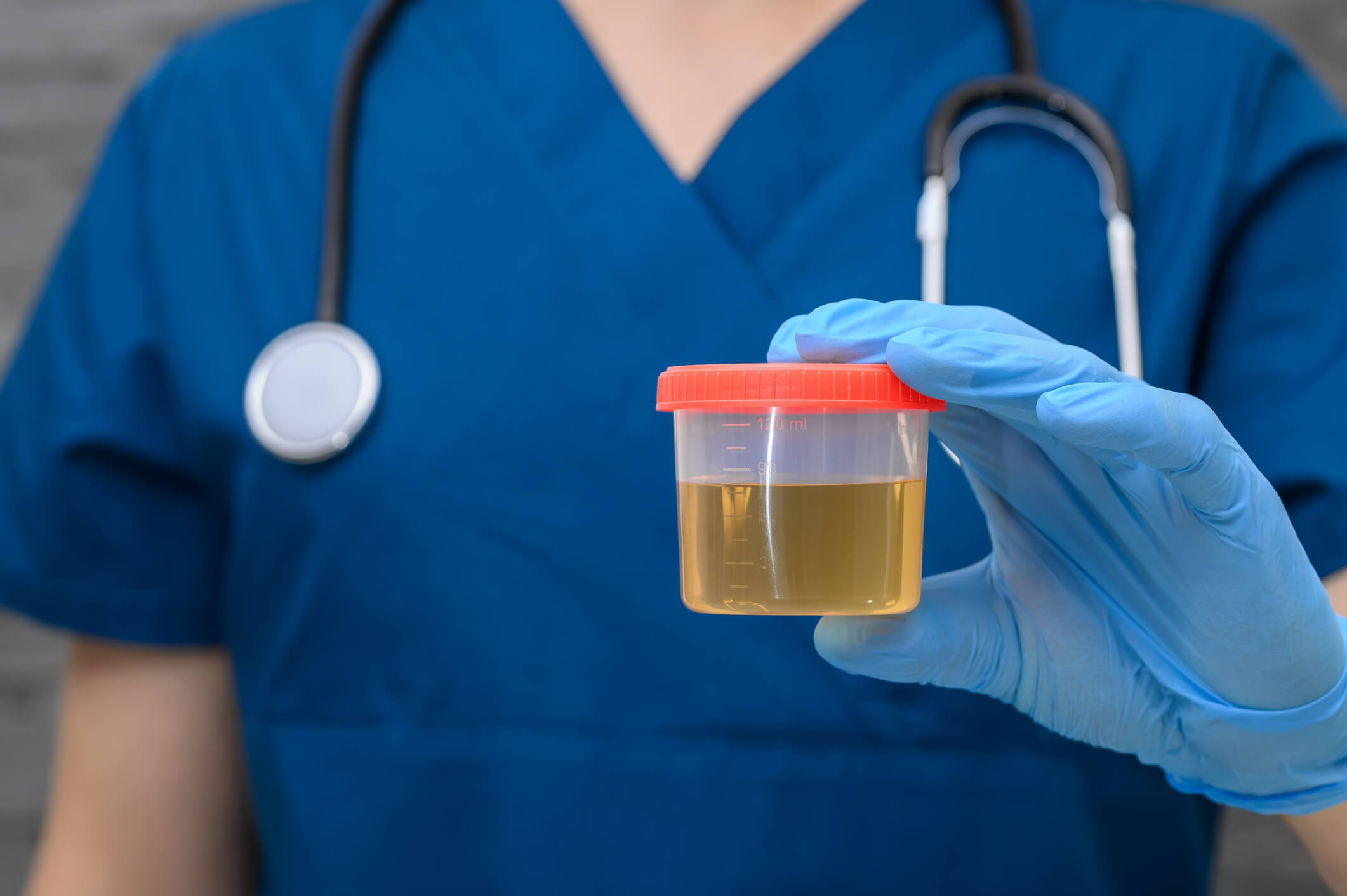
The Organic Acids Test (OAT) is a urine test that measures the byproducts of your child's metabolism. As the body breaks down food, makes energy, builds neurotransmitters, and deals with microbes and toxins, it produces small molecules called organic acids, and a lot of those end up in the urine. By measuring them, the OAT gives a kind of metabolic snapshot: a read on what's actually happening biochemically, not just what you can see on the outside.
The version most commonly used in this field is the Mosaic Diagnostics OAT (formerly Great Plains), which measures 76 markers from a single first-morning urine sample you collect at home. No blood draw, no clinic visit for the collection itself, which matters a lot when you're testing a child who finds either one overwhelming.
1 The Seven Things It Looks At
Mosaic organizes the OAT's markers into seven clinical categories. Here's what each one is actually telling you:
Microbial overgrowth
Markers of yeast (Candida), mold, bacteria, and Clostridia species in the gut.
Mitochondrial health
Krebs-cycle markers showing how well cells are producing energy.
Neurotransmitter metabolites
Byproducts of dopamine and serotonin pathways, reflecting brain-chemistry balance.
Oxalates
Levels that can come from diet, yeast, or metabolism (the OAT is the only one that includes these).
Toxic exposure
Markers pointing to environmental or microbial toxic burden.
Methylation & detox
Clues about folate status and the body's detox pathways.
Nutrient needs
Functional markers for B-vitamins, vitamin C, CoQ10, and more.
In other words, a single test touches nearly every system the biomedical approach cares about, which is exactly why it's such a common starting point. If you've read our pieces on gut dysbiosis, the mitochondrial cocktail, or sleep and methylation, the OAT is often where those threads first show up as data.
2 What It Can Reveal in an Autistic Child
Here's where it gets practical. Some of the most useful things an OAT can surface for an autistic child:
- Yeast and fungal overgrowth. Elevated markers like arabinose and tartaric acid can point to Candida or other yeast activity, a frequent driver of behavior swings, carb cravings, and GI misery.
- Clostridia overgrowth. Specific bacterial markers (such as HPHPA and 4-cresol) flag certain Clostridium species that can disrupt dopamine balance and show up alongside behavior and GI symptoms.
- Mitochondrial strain. Krebs-cycle markers can reveal when cells are struggling to make energy efficiently, relevant to fatigue, low stamina, and regression under stress.
- Neurotransmitter imbalance. Dopamine and serotonin metabolites give clues about brain-chemistry patterns tied to mood, focus, and sleep.
- Oxalate issues. High oxalates (from diet, yeast, or metabolism) can contribute to pain, inflammation, and mineral problems.
- Functional nutrient gaps. Markers for B-vitamins, CoQ10, and more that point to where the body is running short, even when standard blood levels look "normal."
The real power isn't any single marker, it's the pattern. A cluster of elevated yeast markers alongside imbalanced neurotransmitters and mitochondrial strain tells a very different story than any one number alone, and it's that whole-picture read that turns the test into a plan.
3 Why Practitioners Reach for It First
A few reasons the OAT is such a common opening move:
- It's broad. One sample covers gut, energy, brain chemistry, detox, nutrients, and oxalates, so it's an efficient way to see where to look closer.
- It's child-friendly. A first-morning urine collection at home is far easier than a blood draw for most autistic kids.
- It's actionable. Findings often point to clear next steps, addressing a yeast overgrowth, supporting mitochondria, correcting a nutrient gap, rather than leaving you with a label and no direction.
4 What Happens After the Test

- Collect at home. A first-morning urine sample, with some foods avoided beforehand per the lab's instructions.
- The lab analyzes 76 markers and returns a color-coded report grouping results into the seven categories.
- A practitioner interprets the pattern in the context of your child's symptoms and history, not marker by marker in isolation.
- You get an individualized plan targeting what the results actually show, diet, gut support, targeted nutrients, and often a retest down the line to track progress.
Frequently Asked Questions
What does the OAT test show for autism?
It gives a metabolic snapshot across seven areas, yeast and bacterial overgrowth, mitochondrial energy, neurotransmitter balance, oxalates, toxic burden, methylation, and nutrient needs, highlighting patterns that may be contributing to a child's symptoms and pointing toward targeted next steps.
Is the OAT a blood test?
No. It's a urine test, specifically a single first-morning sample collected at home, which makes it much easier for children than a blood draw.
Is the OAT test accurate or legitimate?
It's a well-established functional lab test used widely in integrative and biomedical practice. It's best understood as a screening tool that reveals patterns to investigate, interpreted by a trained practitioner, rather than a standalone diagnostic test.
How often should the OAT be repeated?
Many practitioners retest after a period of treatment (often several months) to see whether markers are improving and to adjust the plan. Your practitioner will advise timing based on your child's situation.
Thinking about an OAT for your child?
Neuro Root offers the Organic Acids Test along with telehealth consultations, so you don't just get a report, you get it interpreted in the context of your child's full picture and translated into a safe, individualized plan. Testing at home, answers you can act on.
Get started with OAT testingDisclosure: Neuro Root offers paid telehealth services and laboratory testing, including the Organic Acids Test, and may earn compensation from tests, products, or services ordered through our platform. This article is educational and is not a substitute for professional medical advice. The OAT is a functional screening tool and not a standalone diagnostic test. Mosaic Diagnostics is an independent laboratory; Neuro Root is not affiliated with it beyond ordering its testing.