
Is the GFCF Diet Worth It for Autism? An Honest Look at Gluten-Free, Casein-Free
If you're raising a child on the autism spectrum, you've likely heard about the Gluten-Free, Casein-Free (GFCF) diet. Maybe a support-group post described a child whose speech or eye contact seemed to unlock after cutting wheat and dairy. Maybe a pediatrician dismissed the idea entirely as an unproven trend. Being caught between glowing anecdotes and clinical skepticism—while managing therapy schedules and sleepless nights—is exhausting.
Here's the honest answer: the GFCF diet is not a universal cure for autism, and it doesn't work for every child. But for a distinct subset of autistic children—particularly those with persistent gastrointestinal (GI) issues—it can offer meaningful improvements in comfort, sleep, focus, and overall well-being. This guide breaks down the science, the parent experience, the real risks, and how to run a safe, structured trial if you decide it's right for your family.
What the GFCF Diet Actually Is

At its core, the GFCF diet removes two specific proteins from your child's intake:
- Gluten: a family of proteins found in wheat, barley, rye, and cross-contaminated oats.
- Casein: the primary protein in mammal milk products—cow, goat, and sheep milk, cheese, yogurt, and butter.
The gut-brain connection and the "opioid peptide" theory
Researchers have long observed a high rate of gastrointestinal distress in autistic children—chronic constipation, diarrhea, bloating, reflux. In fact, GI symptoms affect a large share of autistic children, and when a child's gut is inflamed, that physical discomfort alone can surface as irritability, anxiety, self-injury, or hyperactivity.
One historical explanation for why gluten and casein might affect behavior is the opioid-excess theory. The idea: if a child has impaired digestion or increased intestinal permeability ("leaky gut"), gluten and casein may not fully break down into amino acids. Instead, short peptide chains—gluteomorphins from gluten, casomorphins from casein—could pass through the gut wall into the bloodstream. Because these peptides structurally resemble opioids, the theory holds that they may cross the blood-brain barrier and bind to opioid receptors, affecting perception, social engagement, pain tolerance, and language.1 This mechanism remains debated, but the broader principle—that gut health influences brain function and behavior—is well supported. (We cover the dairy side of this in depth in our article on milk, folate, and the autistic brain.)
What the Research Really Says
Ask parents and you'll hear remarkable success stories. Read high-level clinical guidelines and you'll often find hesitant or negative recommendations. Why the gap?
The parent-reported experience
In large surveys of families raising autistic children, the GFCF diet frequently ranks among the highest-rated non-drug interventions for perceived effectiveness.2 Parents commonly report better bowel regularity and less abdominal pain, improved sleep, calmer mood and less hyperactivity, and gains in language and engagement.
The controlled clinical trials
When researchers test GFCF in controlled trials, the picture is more mixed—but not empty. A 2022 systematic review and meta-analysis pooling eight studies (297 children) found that five reported significant reductions in stereotypical behaviors, and three reported improvements in cognition following a GFCF intervention.3 Other controlled studies, however, show no statistically significant difference between children on the diet and those on a standard diet.4 The evidence genuinely points both ways.
Three things explain the inconsistency:
- Methodological challenges: dietary trials are hard—small samples, short durations (often under four months, which may be too little time for the gut to settle), high dropout, and the near-impossibility of "blinding" a diet.3
- The subgroup factor: most studies lump all autistic children together. When kids with healthy digestion are averaged in with kids who have significant gut inflammation, any benefit to the second group gets diluted in the overall numbers.
- The GI signal: notably, the same meta-analysis observed that the diet appeared to help children with GI symptoms more than those without.3
The take-home: the literature doesn't support GFCF as a universal treatment for all autistic children—but it does suggest specific subgroups experience real relief.
1 Who Is Most Likely to Benefit?

Because GFCF takes real effort, it doesn't make sense to apply it blindly. A trial is most worth considering if your child fits one or more of these:
- Clear GI symptoms: chronic constipation, diarrhea, foul-smelling stools, severe bloating, painful gas, or reflux. Removing gluten and casein often targets the source of gut irritation—and when physical pain eases, behavior rooted in discomfort often improves too.
- Suspected sensitivities or allergic profile: a history of eczema, unexplained rashes, "allergic shiners" (dark under-eye circles), chronic congestion, or a family history of autoimmune or celiac conditions.
2 How to Try It the Right Way

If you decide to explore GFCF, don't do it impulsively overnight. A structured approach gives you a real answer while protecting your child's health:
- Screen medically first. Before removing any wheat, ask your provider about a celiac panel and IgE allergy testing. Celiac testing requires active gluten consumption—remove gluten first and you'll get a false negative. Confirming celiac matters, because it requires lifelong, absolute gluten avoidance.
- Establish a baseline. For about two weeks before changing anything, log stool consistency and frequency (the Bristol Stool Chart helps), sleep and night awakenings, meltdown/anxiety frequency, and spontaneous language or eye contact.
- Phase proteins out methodically. Many practitioners remove casein first, wait 2–3 weeks, then remove gluten. Casein clears relatively quickly; gluten-driven gut inflammation can take longer to settle.
- Commit to a strict, defined trial. A real trial is 100% strict—hidden gluten and dairy in sauces, seasonings, and binders can keep inflammation going. Hold it for 8 to 12 weeks; a few days or weeks is rarely enough to judge.
- Reintroduce systematically. If nothing changed after 12 strict weeks, GFCF likely isn't your child's lever. If things improved, confirm by reintroducing one protein at a time (with clinical guidance) and watching for symptoms to return—so you don't restrict a food that was never the problem.
3 The Nutrition Risks Nobody Warns You About
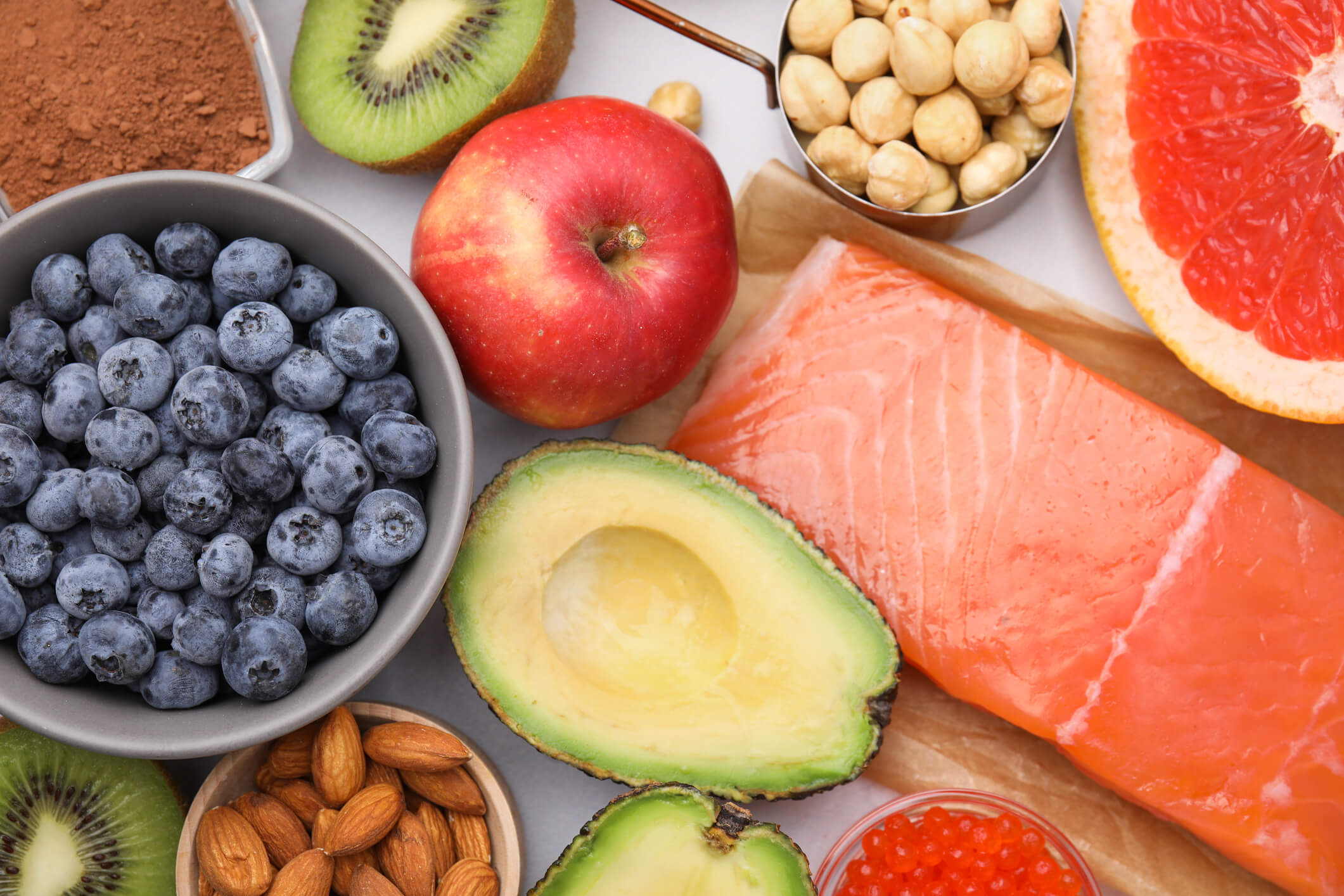
Going gluten- and casein-free is not the same as eating well. An unguided GFCF diet carries real nutritional risks for a growing child:
| Nutrient area | Risk in an unplanned GFCF diet | Smart substitutions |
|---|---|---|
| Calcium & vitamin D | Losing dairy can hurt bone development if uncompensated. | Fortified plant milks, leafy greens, sesame tahini, bone broth, targeted supplementation. |
| Fiber & microbiome | Packaged GF products often rely on refined starches (tapioca, potato, white rice) low in fiber. | Chia, flax, berries, legumes, sweet potato, whole grains like quinoa and buckwheat. |
| B vitamins & iron | Wheat products are fortified with folate, niacin, iron, thiamine; many GF swaps aren't. | Grass-fed meats, eggs, lentils, pumpkin seeds, dark leafy greens. |
| Calories | Removing familiar foods without replacement can cause unintended weight loss. | Healthy fats: avocado, olive oil, nut/seed butters, coconut. |
Easy to get wrong
Swapping standard junk food for GFCF junk food (gluten-free cookies, chips, processed snacks) won't heal the gut—and can pile on refined sugars and starches that feed yeast overgrowth.What to aim for
A whole-foods GFCF plate—quality protein, healthy fats, colorful vegetables, fortified alternatives—built with a dietitian so macro- and micronutrient needs are actually met.Frequently Asked Questions
How long does it take to see results on a GFCF diet?
Most practitioners suggest a strict trial of 8 to 12 weeks. Casein often clears the system within a couple of weeks, but gluten-related gut inflammation can take longer to settle, so a few days or even a couple of weeks usually isn't long enough to judge.
Does the GFCF diet really work for autism?
It's not a cure and doesn't work for every child. Controlled trials are mixed, but a 2022 meta-analysis found reductions in stereotypical behaviors in several studies—and the diet appears to help children with gastrointestinal symptoms more than those without.
Should I test for celiac disease before starting?
Yes. Celiac testing requires active gluten intake, so it must be done before you remove gluten—otherwise the result can be a false negative. It's worth confirming, since celiac requires strict lifelong gluten avoidance.
Is the GFCF diet safe for children?
It can be, with planning. The main risks are nutritional gaps—calcium, vitamin D, fiber, B vitamins, iron, and calories—and food restriction in very picky eaters. Working with a pediatrician or dietitian keeps a trial safe.
The Smart First Step
Is the GFCF diet worth it? For many families—especially those whose children live with silent, uncomfortable gut issues—it can meaningfully reduce pain and support development. For others, it's an unnecessary burden that changes little. You don't have to guess, and you don't have to do it alone.
The smartest first step isn't clearing out your pantry today—it's gathering data. Screening for celiac disease, evaluating gut health and nutritional status, and designing a balanced, personalized plan gives your child the best chance to thrive: safely, sustainably, and with clarity.
Thinking about a diet change? Start with data.
At Neuro Root, we help families screen for celiac and food sensitivities, evaluate gut health, and design a safe, personalized nutrition plan—so a promising idea doesn't turn into a nutritional gap. Telehealth consultations and functional testing make the first step simple.
Start with a consultationReferences
- Reviews of the opioid-excess (gluten/casein peptide) hypothesis in autism summarize the proposed gut-brain mechanism; the theory remains debated. See discussion within the systematic reviews below.
- Ratings of the effectiveness of therapeutic diets for autism spectrum disorder: results of a national survey. Nutrients / PMC. Available here.
- Quan L, Xu X, Cui Y, et al. A systematic review and meta-analysis of the benefits of a gluten-free diet and/or casein-free diet for children with autism spectrum disorder. Nutr Rev. 2022;80(5):1237–1246. PubMed
- Randomized controlled trials and GRADE-rated reviews reporting no significant benefit of a GFCF diet versus regular diet in unselected children with ASD. See the RCT-based systematic review in Nutrients. 2021;13(2):470. PMC
Disclosure: Neuro Root offers paid telehealth services and laboratory testing, and may earn compensation from tests, products, or services mentioned or linked in this article. This article is educational and is not a substitute for professional medical advice.