Is It OK to Give Dairy to a Child with Autism? The Milk, Folate, and Brain Connection

If you've spent any time in autism parenting groups, online forums, or integrative pediatric offices, you've almost certainly run into the debate over dairy. One parent swears removing milk was the turning point for their child's language. Another says it made zero difference and only made mealtimes harder. Meanwhile, conventional guidelines tell you milk is an essential source of calcium and vitamin D no growing child should go without.
So who's right? Is dairy actually affecting your child's neurodevelopment, or is it just another internet health fad? The most researched answer isn't about vague "inflammation" or simple lactose intolerance. It comes down to how specific proteins in animal milk can interact with a compromised gut lining, cross into the bloodstream, and—in a subset of children—interfere with the delivery of a vital brain nutrient: folate.
The Silent Bottleneck: Folate and the Brain
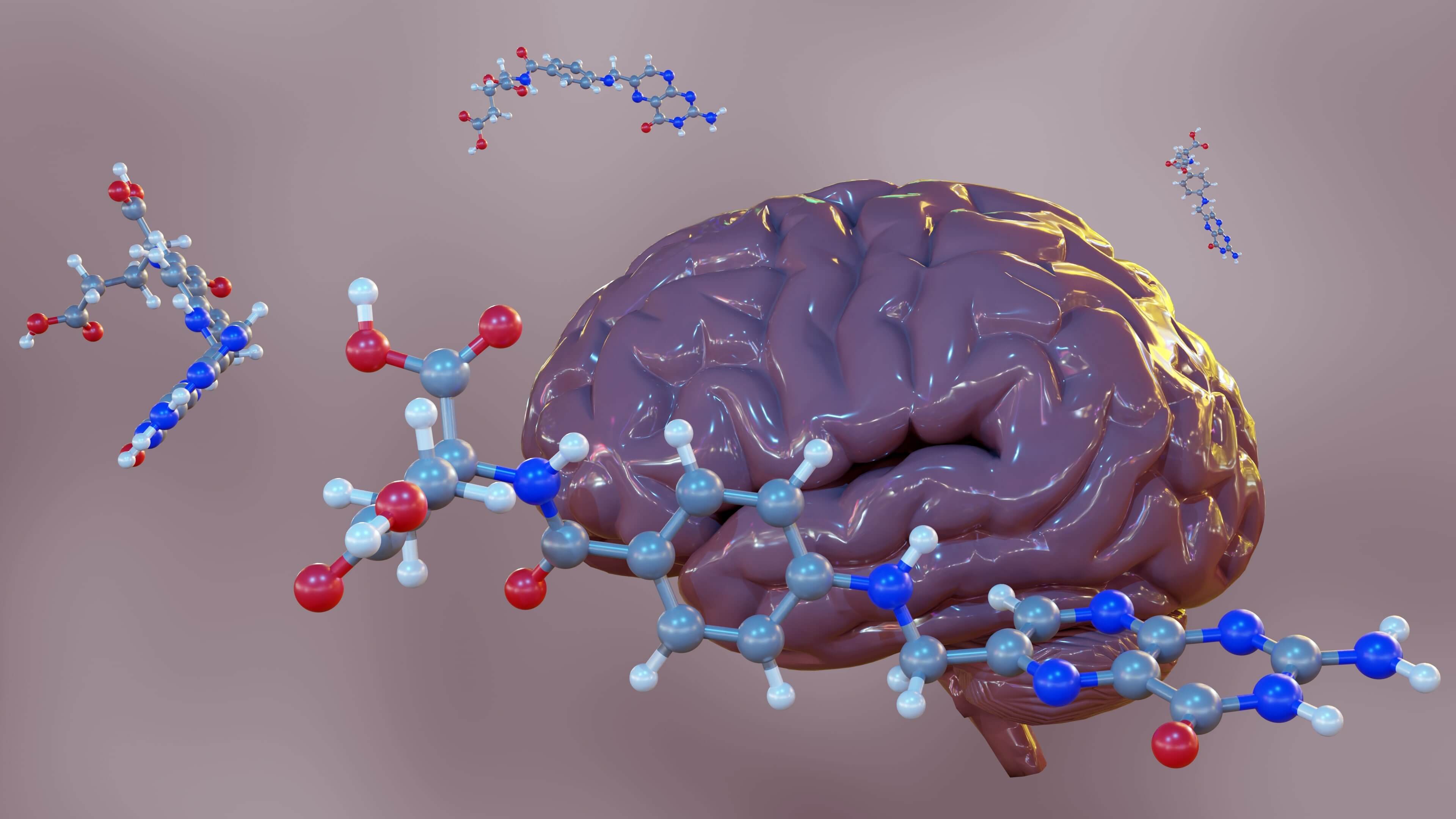
Folate (vitamin B9) is fundamental fuel for the developing central nervous system. It drives the synthesis of neurotransmitters like dopamine and serotonin, supports myelin (the protective sheath around nerves), regulates gene expression through methylation, and keeps cellular energy production running.
Here's the catch: your body's systemic folate level—what shows up on a standard pediatric blood test—doesn't necessarily reflect how much folate is reaching the brain. To get from the bloodstream into the brain and spinal fluid, folate crosses the blood-brain barrier through a specialized transporter in the choroid plexus called Folate Receptor Alpha (FRα). Think of FRα as a highly selective turnstile that pulls active folate (5-MTHF) out of the blood and carries it into the cerebrospinal fluid.
If that turnstile works, the brain gets the folate it needs. If something jams it, folate is left stranded in the blood—the blood test looks normal or even high, while the brain is quietly short on B9. This is known as Cerebral Folate Deficiency (CFD), a syndrome first characterized when researchers found low spinal-fluid folate alongside normal blood folate.1
The Discovery: How Milk Proteins Can Jam the Doorway
For years, low brain folate was assumed to be a rare genetic mutation. That changed when pediatric neurologist Dr. Vincent Ramaekers and biochemist Dr. Edward Quadros studied children with low spinal-fluid folate who had completely normal genetics. In a landmark study, they found that most of these children carried folate receptor autoantibodies (FRAAs)—immune antibodies mistakenly targeting their own FRα protein. Some physically block folate from binding ("blocking" antibodies); others attach and disrupt function ("binding" antibodies). In that first cohort, 25 of 28 affected children had blocking autoantibodies, versus none of the controls—and oral folinic acid restored spinal-fluid folate and improved symptoms.1
When they investigated why these antibodies formed, one culprit stood out: bovine (cow's) milk. Milk contains a soluble folate-receptor protein highly similar in structure to human FRα. The proposed mechanism is molecular mimicry—in a susceptible child, the immune system generates antibodies against the milk protein, and because it so closely resembles the human receptor, those antibodies cross-react and attack the child's own folate transporter. In a small study, a milk-free diet lowered autoantibody titers over months, and reintroducing milk raised them again.2 It's important to be clear that this milk–antibody link comes from small studies and is an active area of research rather than settled consensus.
The Gut Connection: Leaky Gut, Dysbiosis, and Casein
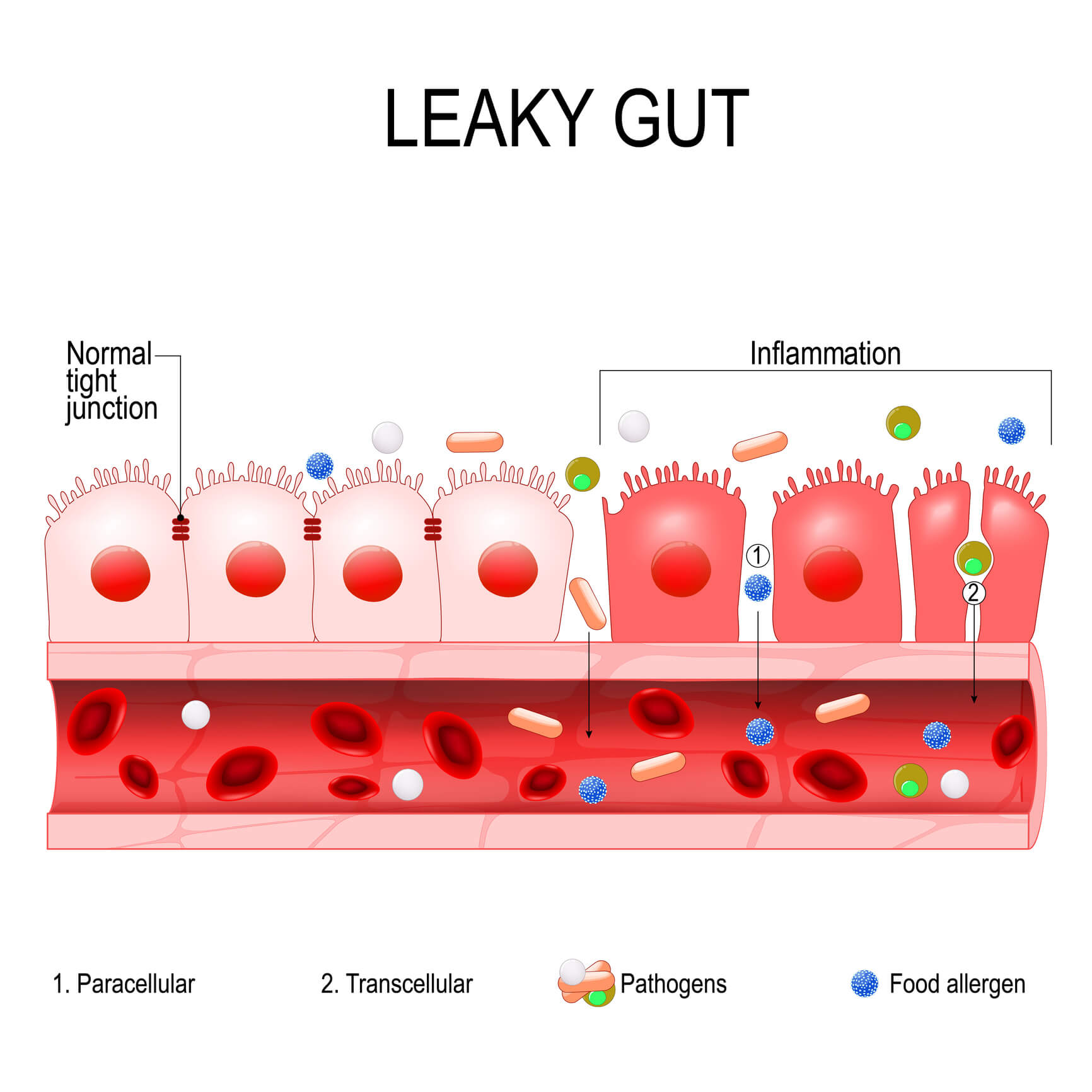
How does a protein from a glass of milk trigger an immune response in the first place? The answer runs through the gut-brain axis. Normally, the intestinal lining is a disciplined border: cells are bound by tight junctions, and digestion breaks proteins like casein (the main dairy protein) down into amino acids before absorption.
But children on the autism spectrum experience higher rates of gut dysbiosis (an imbalance of gut bacteria) and low-grade intestinal inflammation. When the barrier loosens—often called increased intestinal permeability, or "leaky gut"—the proposed cascade looks like this:
The Clinical Evidence: Dr. Richard Frye's Work
Dr. Richard Frye, a pediatric neurologist and autism researcher, brought this science into clinical trials. His group reported that a majority of children with autism—in some studied cohorts around 70–75%—test positive for folate receptor autoantibodies, far more than typically developing controls.3 Prevalence figures vary between cohorts and testing methods, so this is best read as "common in this population," not a fixed number.
On treatment, Frye's team ran a randomized, double-blind, placebo-controlled trial of high-dose folinic acid (leucovorin) in children with autism and language impairment. Folinic acid can enter the brain through a secondary "back-door" transporter (the reduced folate carrier), bypassing a blocked FRα. Over 12 weeks, the folinic-acid group showed statistically significant improvement in verbal communication compared with placebo.4 The authors themselves stress these results are preliminary, apply to a carefully selected subgroup, and need larger multicenter trials before being generalized—so folinic acid is a physician-directed therapy, not a DIY supplement.
The "Mammal Milk" Trap: Goat, Camel, and Sheep Milk Aren't a Loophole
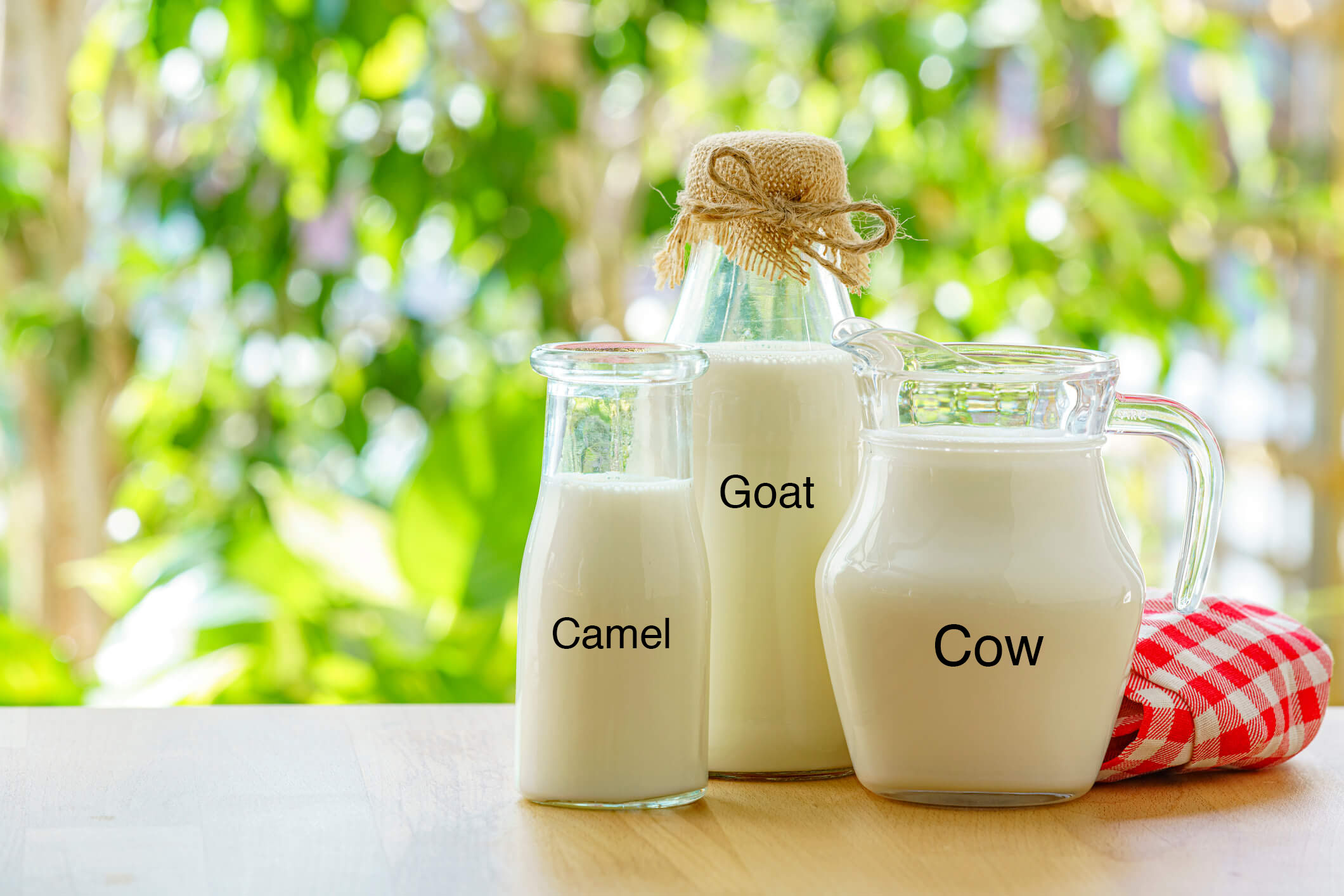
Parents often ask whether goat, sheep, camel, or raw milk is a safe alternative. For a child who is FRAA-positive, the answer from this line of research is no. The soluble folate-receptor protein is conserved across mammalian species, and folate-receptor autoantibodies have been shown to cross-react with milk folate receptor from different species.2 Goat or camel milk may have different casein profiles that are gentler on the stomach, but they still contain the cross-reactive folate-receptor structures. If the goal is to quiet the immune cross-reactivity, switching mammal species won't achieve it.
What about cheese and butter?
Because the immune trigger is protein (casein, whey, and soluble folate receptor)—not fat—high-purity fats carry a much smaller antigenic load. Pure butter and especially clarified butter (ghee), which has milk solids and proteins removed, contain little to no protein antigen, and are often tolerated. Long-aged, heavily fermented cheeses have their proteins substantially broken down as well. That said, during an initial elimination period—particularly after a positive FRAT—many clinicians recommend a strict, zero-tolerance removal of all fluid mammal milks and primary dairy proteins to let antibody levels fall, adding derivatives back later under guidance.
Practical Steps for Parents
- Consider testing. Ask an integrative pediatrician, functional neurologist, or biomedical specialist about the FRAT (Folate Receptor Autoantibody Test), a blood test for blocking and binding autoantibodies. Testing turns guesswork into data.
- If you trial dietary removal, do it with support. A supervised trial (often around 12 weeks) means eliminating fluid milk from cows, goats, sheep, and camels, and reading labels for hidden casein, whey, and milk solids—while a clinician helps you protect calcium, vitamin D, protein, and calories.
- Address gut health in parallel. Removing dairy is only half the equation; supporting the gut lining and rebalancing the microbiome (with professional guidance) helps prevent other proteins from provoking similar reactions.
- Discuss folinic acid with a physician. If your child tests FRAA-positive, high-dose prescription folinic acid (leucovorin) is the studied intervention—and it's distinct from over-the-counter folic acid. This is a prescription decision made with a clinician familiar with the research, not a supplement to start on your own.
The Bottom Line
Is it OK to give dairy to a child with autism? For the subset of children who carry folate receptor autoantibodies, a growing body of research suggests fluid mammal milk can act as a persistent trigger that limits folate delivery to the brain—an immunological chain that can start in a leaky gut and end at a blocked transporter. For other children, it may make no meaningful difference. That's exactly why testing and clinical guidance beat guessing in the grocery aisle.
If you'd like help figuring out whether folate-receptor testing and a structured plan make sense for your child, our team can help you think through where to start at NeuroRoot.com.
References
- Ramaekers VT, Rothenberg SP, Sequeira JM, et al. Autoantibodies to folate receptors in the cerebral folate deficiency syndrome. N Engl J Med. 2005;352(19):1985–1991. NEJM
- Ramaekers VT, Sequeira JM, Blau N, Quadros EV. A milk-free diet downregulates folate receptor autoimmunity in cerebral folate deficiency syndrome. Dev Med Child Neurol. 2008;50(5):346–352. PubMed
- Frye RE, Sequeira JM, Quadros EV, James SJ, Rossignol DA. Cerebral folate receptor autoantibodies in autism spectrum disorder. Mol Psychiatry. 2013;18(3):369–381. Molecular Psychiatry
- Frye RE, Slattery J, Delhey L, et al. Folinic acid improves verbal communication in children with autism and language impairment: a randomized double-blind placebo-controlled trial. Mol Psychiatry. 2018;23(2):247–256. Molecular Psychiatry
Disclosure: Neuro Root may earn revenue from services or tests ordered through our platform. This article is educational and is not a substitute for professional medical advice. Dietary changes and folinic acid therapy should be undertaken only with qualified clinical supervision.