
Top 6 Lab Tests for a Root-Cause Approach to Supporting Your Child with Autism: Uncovering Hidden Factors That May Make a Difference
A Parent's Journey Toward Answers
Imagine this: your child struggles with communication, repetitive behaviors, sensory overload, or ongoing stomach issues. Standard evaluations label it autism, but you sense there could be underlying biological pieces affecting their daily experience. Many parents in the autism community share this feeling. While autism is a neurodevelopmental condition with strong genetic foundations, a growing body of research highlights co-occurring issues—gut imbalances, metabolic challenges, toxin burdens, nutrient gaps, and immune factors—that can amplify symptoms.
A root-cause approach (often called functional or integrative medicine) doesn't promise a cure. Instead, it seeks to identify and support treatable contributors that influence behavior, focus, language, sleep, digestion, and overall well-being. Specialty lab testing provides objective data to guide personalized nutrition, supplements, and lifestyle strategies.
Why Pursue a Root-Cause Testing Approach?
Children with autism spectrum disorder (ASD) experience higher rates of gastrointestinal problems, mitochondrial dysfunction, oxidative stress, immune dysregulation, and environmental sensitivities. These don't cause autism, but they can worsen challenges. For instance:
- Gut microbes produce metabolites that cross into the brain via the gut-brain axis.
- Impaired methylation affects detoxification and neurotransmitter balance.
- Autoantibodies or toxins may interfere with brain nutrition and energy production.
Targeted testing helps connect dots that routine labs miss. When these factors are addressed, families often report improvements in eye contact, language, mood regulation, sleep, and gastrointestinal comfort. Studies on organic acids, the microbiome, and folate receptor antibodies lend support for investigating these areas in subsets of children.
Here are the top six tests, presented from broader environmental and gut support to more specialized metabolic and immune markers.
6 Mosaic Diagnostics Mycotoxin Test — Hidden Environmental Toxins
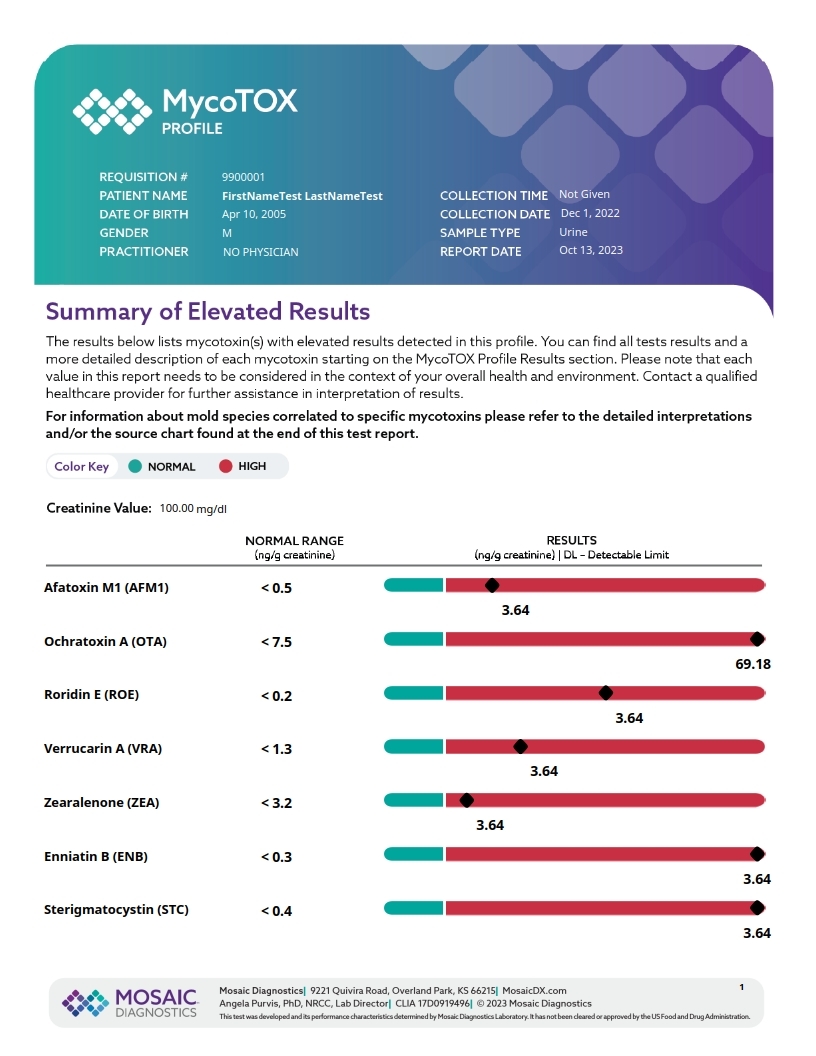
Mold thrives in damp environments, and mycotoxins (its toxic byproducts) can affect sensitive individuals. Mosaic Diagnostics offers a urine test to detect exposure to common molds such as Aspergillus, Penicillium, and others.
Why it matters for autism support: some children show symptoms that overlap with mold-related illness—fatigue, irritability, brain fog, and immune challenges. Those with ASD may have reduced resilience due to differences in detoxification pathways. Identifying mycotoxins can prompt home remediation and supportive interventions like binders or antioxidants.
Key markers: specific mycotoxins such as ochratoxin A, aflatoxins, and trichothecenes.
What makes it interesting: real-world case reports show that addressing mold alongside other factors sometimes reduces aggression or improves focus. It adds an environmental layer to the puzzle that many families overlook.
Limitations: not everyone with exposure shows symptoms. Testing variability exists, and results must align with clinical history and home inspection. Prevention through ventilation and moisture control remains foundational.
5 FRAT Test (Folate Receptor Autoantibody Test) — Protecting Brain Folate Delivery
Folate is essential for brain development and function. The FRAT is a blood test that detects autoantibodies blocking folate receptor alpha (FRα), which can lead to cerebral folate deficiency despite normal blood levels.
Compelling relevance to ASD: research finds these autoantibodies in a notable portion of children with autism (estimates often 50–75% in studied cohorts). Blocked transport may contribute to language delays, irritability, or regression. Trials using folinic acid (leucovorin)—which uses alternative pathways—have demonstrated improvements in verbal skills, social interaction, and core symptoms for many who test positive.
Why parents find it powerful: it's like discovering a clogged fuel line to the brain. Testing pinpoints who might benefit from this specific nutritional bypass.
Test details: measures blocking and binding autoantibodies via a simple blood draw.
Considerations: promising but not universal. Some medical groups urge caution due to nuances in the evidence. Discuss potential folinic acid trials with a knowledgeable provider.
4 Genova Methylation Panel — The Body's Master Biochemical Regulator
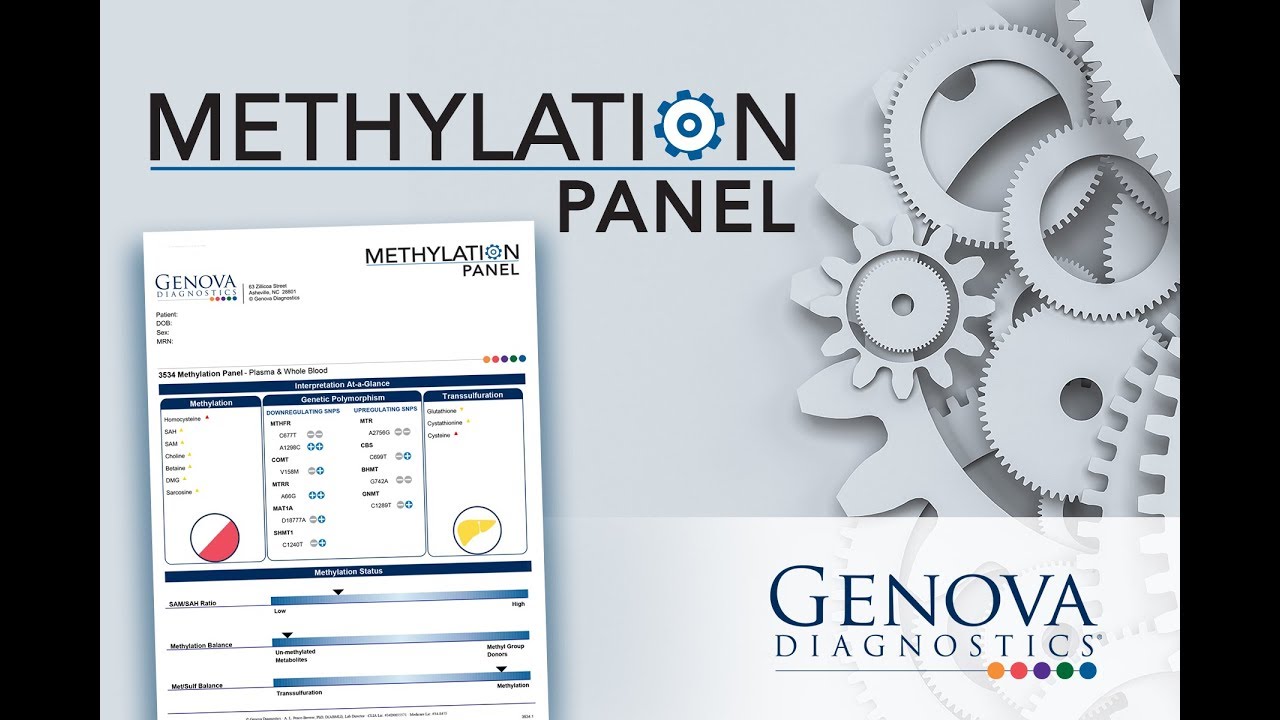
Methylation involves adding methyl groups to molecules and influences detoxification, gene expression, neurotransmitter production, and energy. Genova's panel evaluates metabolites (with optional genetics).
Autism connections: methylation inefficiencies come up frequently in ASD discussions due to links with oxidative stress, homocysteine, and mood/energy regulation. The test shows real-time function rather than just genetic potential.
Insights gained:
- Key metabolites (homocysteine, SAMe, methionine).
- Common SNPs (MTHFR C677T/A1298C, COMT, CBS, and others).
- Guidance for B-vitamins, folate forms, and antioxidants.
Engaging aspect: results turn vague "detox issues" into a clear action plan, potentially easing anxiety or supporting focus through targeted nutrition.
Cautions: genetics are influential but not deterministic. Professional interpretation prevents over- or under-supplementation.
3 GI-MAP Test by Diagnostic Solutions — The Gut-Brain Axis
This qPCR stool test provides a detailed analysis of pathogens, beneficial bacteria, digestion, and inflammation markers. The GI-MAP is offered by Diagnostic Solutions Laboratory.
Strong ASD ties: up to 80% of children with autism have GI symptoms. Dysbiosis, Clostridia overgrowth, yeast, or leaky gut can influence brain function through metabolites and inflammation. Balancing the microbiome frequently correlates with behavioral and digestive improvements.
What it reveals:
- Harmful pathogens (bacteria, parasites, fungi, viruses).
- Beneficial flora balance.
- Inflammation (calprotectin), zonulin, and digestive capacity.
Visual analogy: your child's gut is a bustling ecosystem. The GI-MAP identifies invaders and imbalances so you can restore harmony with diet, probiotics, or targeted antimicrobials.
Practical value: highly sensitive and actionable, with retesting options to monitor progress.
2 Mosaic Diagnostics Urine Heavy Metals Test — Evaluating Toxic Burden

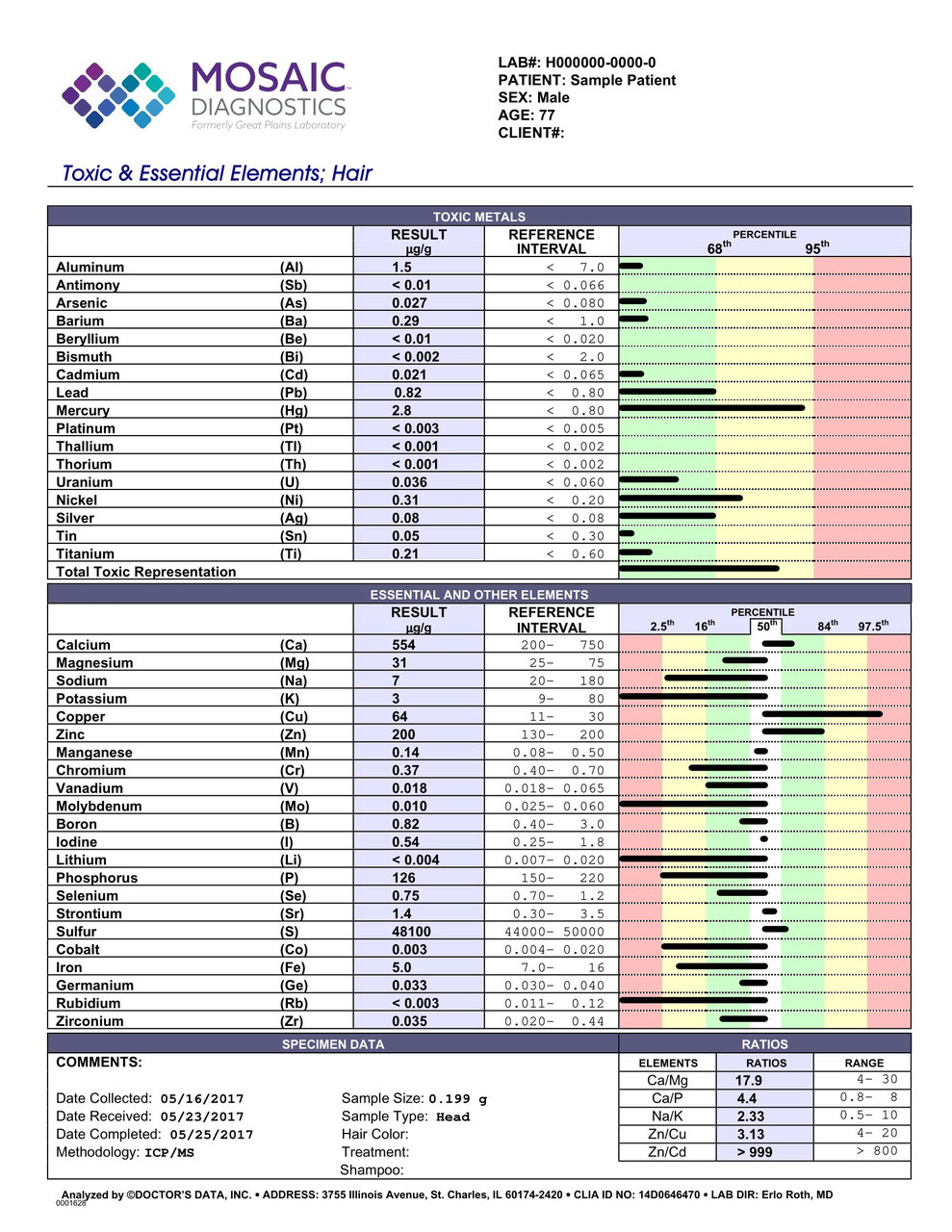
This test assesses accumulation of metals like lead, mercury, arsenic, cadmium, and aluminum, often using provoked urine collection. It is offered by Mosaic Diagnostics.
Relevance: higher toxic-metal burdens have been associated with greater autism severity in some research, possibly due to impaired excretion pathways and neurotoxic effects.
Test features: compares toxic and essential elements, revealing excretion capacity.
Fascinating context: everyday exposures (diet, environment, older home products) add up. Results can motivate source reduction and safe support strategies.
Critical caveats: provocation methods are debated. Focus on exposure prevention first; any chelation requires strict medical supervision due to the risks.
1 Mosaic Diagnostics Organic Acids Test (OAT) — The Comprehensive Metabolic Window

This flagship urine test measures dozens of organic acids, offering insights across multiple systems. The OAT is Mosaic Diagnostics' most comprehensive metabolic panel.
Standout value for autism:
- Yeast and bacterial markers (arabinose, HPHPA/4-cresol linked to behaviors).
- Mitochondrial/Krebs cycle function.
- Neurotransmitter metabolites.
- Nutrient status, oxalate levels, detoxification capacity, and oxidative stress.
Machine-learning studies have used organic acid patterns to differentiate ASD cases with high accuracy in research settings. Tailored interventions based on OAT results have supported communication gains in case examples.
Why it ranks first: one convenient sample delivers broad, interconnected data that often informs the other tests.
Limitation: requires experienced interpretation to avoid overwhelm.
Integrating the Tests: Creating Your Child's Unique Roadmap
These tests work synergistically. An OAT might highlight yeast overgrowth, prompting a GI-MAP for confirmation and a mycotoxin test for environmental context. Methylation results guide nutrient support for heavy-metal clearance, while the FRAT identifies candidates for folinic acid.
A common sequence starts with the OAT + GI-MAP, then adds others based on findings. Combine testing with symptom tracking (e.g., ATEC) and a multidisciplinary team for the best results.
Moving Forward with Hope and Action
Testing empowers informed decisions rather than guesswork. While autism is lifelong, optimizing health can unlock meaningful improvements in daily life and family well-being. Stay curious, grounded in science, and focused on your child's strengths.
The answers are out there. So often, challenging symptoms aren't a mystery without a cause—they're a puzzle waiting for the right pieces. Each of these tests helps reveal another part of the picture, moving you from guessing toward understanding. When you're ready to start uncovering the root causes behind neurodevelopmental health, you can order these tests through us at NeuroRoot.com.
Disclosure: Neuro Root may earn revenue from tests ordered through our platform. This article is educational and is not a substitute for professional medical advice.