
8 Hidden Root Causes of Autism Most Doctors Never Test For
If you're a parent navigating an autism diagnosis, you've likely heard the same phrase over and over: "Autism is genetic and lifelong. There's nothing else to look for."
While autism spectrum disorder (ASD) certainly has deep genetic roots, that sentence leaves out a massive piece of the puzzle. It treats the brain as if it operates in a vacuum, entirely detached from the immune system, the gut, and cellular metabolism.
When you dig into the biological realities of kids on the spectrum, a clear pattern emerges. Many of the behaviors, meltdowns, regressions, and developmental stalls parents witness aren't just "autism." They are often driven by underlying, treatable physiological stress.
In functional and integrative medicine, we don't look at these underlying factors as "causes" of autism in a vacuum. Instead, we view them as biological aggravators—hidden imbalances that place a massive tax on a child's nervous system. When you lighten that physiological load, the brain finally gets the space and resources it needs to heal, communicate, and grow.
Here are 8 hidden root causes—or biological drivers—frequently found beneath the surface in autism, along with why standard medicine so often misses them.
1 Cerebral Folate Deficiency (CFD)
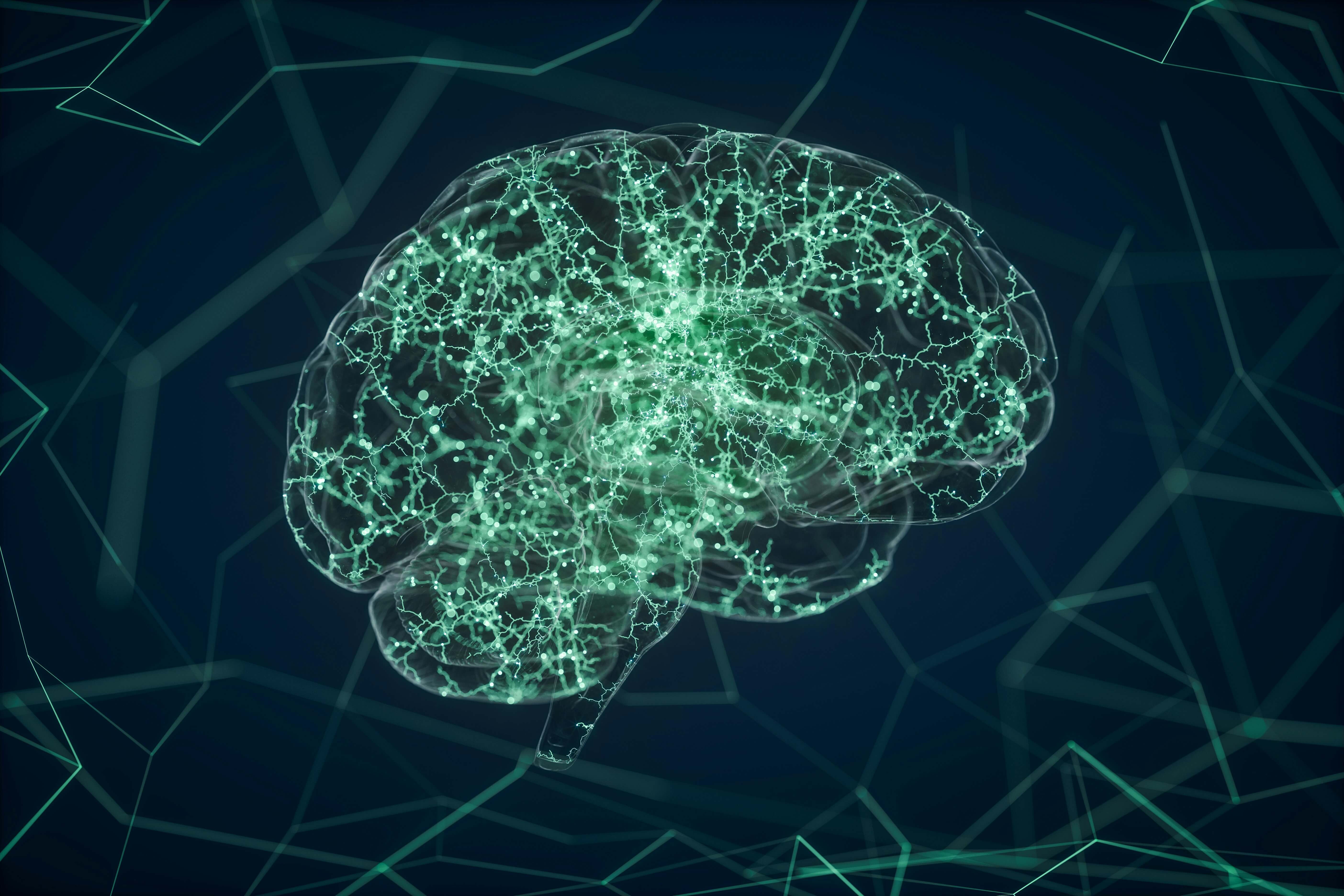
Imagine driving a high-performance car with a clogged fuel line. The engine might be completely fine, but without fuel reaching the combustion chamber, the car won't run. That is precisely what happens in Cerebral Folate Deficiency (CFD).
Folate (Vitamin B9) is non-negotiable for brain development. It fuels neurotransmitter production, gene expression, and myelination—the protective coating around nerves. Many children with autism have normal levels of folate in their bloodstream. However, due to an autoimmune response, autoantibodies block the Folate Receptor Alpha (FRα)—the gateway that transports folate across the blood-brain barrier into the central nervous system. The result? The body has plenty of folate, but the brain is starving.
Why it gets missed
Standard blood tests only measure folate circulating in the blood, not what is actually making it into the brain. A child can show perfect blood folate levels while suffering from severe brain folate starvation.
What to look for
- Speech delays, sudden loss of words, or slurred speech
- Low muscle tone (hypotonia) or clumsiness
- Sleep disturbances and unexplained irritability
A specialized blood test called the FRAT (Folate Receptor Autoantibody Test) can identify these blocking autoantibodies. When present, high-dose prescription folinic acid (a specific form of folate that can bypass the blocked receptor) often leads to significant leaps in language, eye contact, and emotional regulation.
2 Mitochondrial Dysfunction
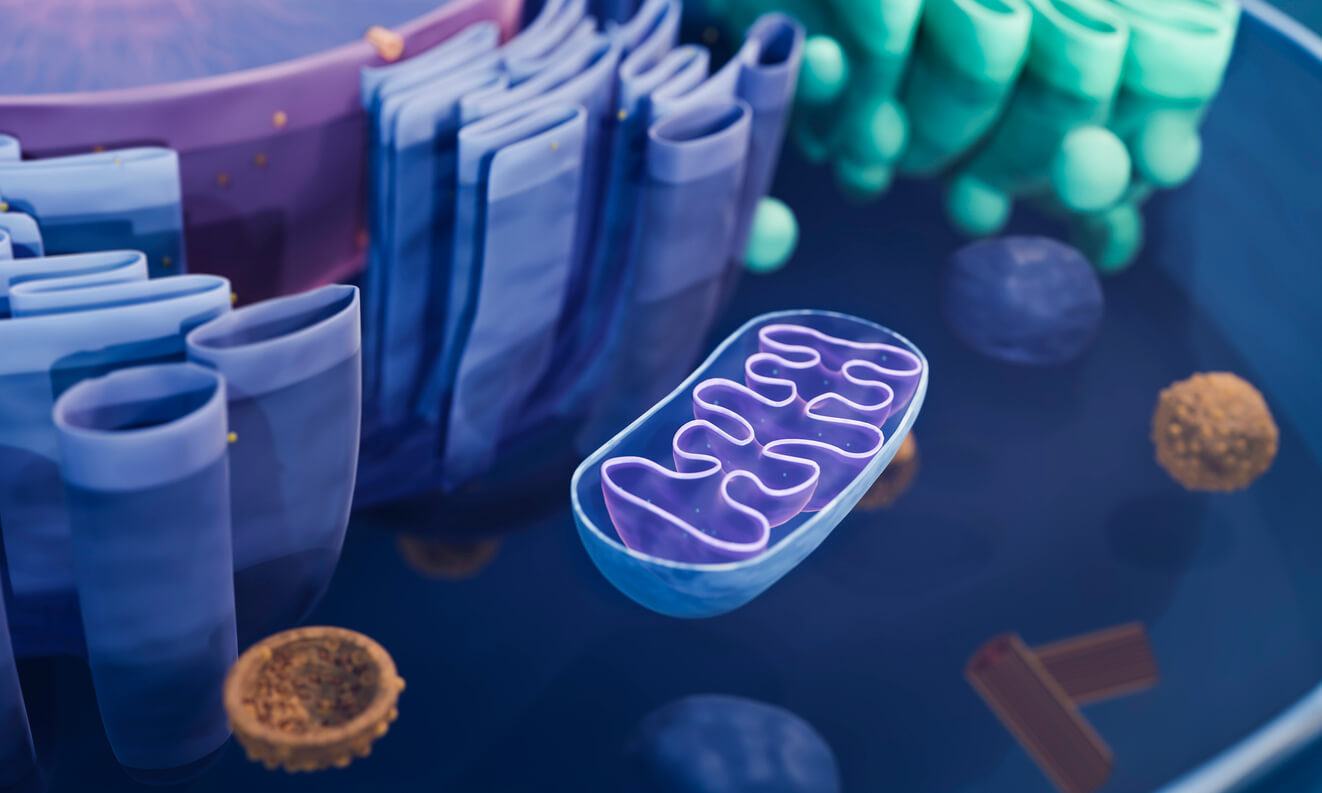
Every cell in your child's body relies on tiny power plants called mitochondria to produce energy (ATP). The brain consumes roughly 20% of the body's total energy, making it extraordinarily sensitive to cellular power outages.
When mitochondria lag, the brain simply cannot keep up with the overwhelming sensory demands of the world. Research shows that up to 50% or more of children on the autism spectrum show signs of mitochondrial stress or dysfunction. When cells run out of juice, kids don't just get physically tired—their nervous system enters a state of overload. Sensory processing falls apart, emotional regulation crashes, and brain fog sets in.
Why it gets missed
Classic mitochondrial diseases are rare, severe, and typically diagnosed in infants. Mitochondrial dysfunction, on the other hand, is an acquired, secondary sluggishness that regular lab panels are not designed to pick up.
What to look for
- "Fading" or extreme fatigue after minimal physical or social activity
- Poor muscle tone and endurance
- Frequent crashes after illness or emotional stress
- Chronic constipation (the gut muscles lack the energy to contract properly)
Testing key metabolic markers through an Organic Acids Test (OAT) can reveal whether the cellular engines are stalling out and which targeted nutrients (like CoQ10, L-carnitine, and B-complex vitamins) can help reboot them.
3 Gut Dysbiosis & Chronic Inflammation

If you ask parents of autistic children about their child's digestion, you will hear a consistent story: severe constipation, chronic diarrhea, undigested food in stools, or a diet limited to just three or four foods.
The gut and brain are in constant two-way communication via the vagus nerve and circulating chemical messengers—a pathway known as the gut-brain axis. When the microbiome is overrun with pathogenic bacteria (such as Clostridia) or opportunistic yeast (like Candida), these organisms secrete toxic metabolites directly into the bloodstream.
For instance, certain Clostridia strains produce a metabolite called HPHPA, which inhibits the enzyme that converts dopamine into norepinephrine. The buildup of dopamine in the brain can trigger intense anxiety, obsessive behaviors, aggression, and self-injurious actions.
Why it gets missed
Pediatricians routinely write off stomach issues in autism as "just part of the condition" or a byproduct of picky eating, prescribing laxatives without ever asking why the gut is inflamed in the first place.
What to look for
- Distended, bloated belly or frequent night awakenings (often caused by gas pain)
- Unexplained laughter, giggling fits, or "drunken" behavior (classic signs of yeast overgrowth)
- Toe-walking or leaning the stomach against hard objects (pressure seeking for pain relief)
A DNA-based stool test like the GI-MAP or a urine Organic Acids Test can map out the precise microbial landscape, allowing for targeted natural antimicrobials and specialized probiotics rather than band-aid solutions.
4 Heavy Metal Toxicity & Impaired Detoxification
We live in an increasingly toxic environment. From pesticides in food to industrial chemicals in water and heavy metals in household items, our bodies are constantly processing environmental burdens.
Most healthy bodies clear these metals through natural liver and kidney pathways. However, many children on the autism spectrum possess genetic variations or bioenergetic deficits that impair their natural detoxification systems. Their bodies are essentially bad at "taking out the trash."
Metals like lead, mercury, aluminum, and cadmium are potent neurotoxins. They deposit into lipid-rich tissues—and the brain is primarily made of fat. Once lodged there, heavy metals spark localized inflammation, disrupt neurotransmitter signaling, and poison the mitochondria.
Why it gets missed
Standard blood tests for heavy metals only capture acute, recent exposures (what happened in the last 24 to 48 hours). They do not reflect the metals stored deep within organs, bone, or brain tissue over months or years.
What to look for
- Sudden loss of developmental milestones or speech
- Severe sensory sensitivities (sound, light, touch)
- Intense head-banging or biting behaviors
- Poor immune function and skin conditions like eczema
A provoked or unprovoked urine toxic metals panel—paired with a detailed look at detoxification markers—helps evaluate how much toxic burden the child is carrying and whether their pathways are clear enough to excrete it safely.
5 Systemic Oxidative Stress

Think about what happens to a freshly cut apple when you leave it sitting on the kitchen counter: it turns brown and degrades. That process is oxidation.
Inside the human body, oxidative stress occurs when there is an imbalance between damaging free radicals (unstable molecules from environment, stress, and metabolism) and the body's pool of protective antioxidants.
In neurotypical bodies, a master molecule called glutathione acts as the primary antioxidant defense force, sweeping up free radicals and protecting cellular structures. Study after study shows that children on the autism spectrum frequently run on depleted glutathione reserves—sometimes up to 80% lower than neurotypical peers. Without adequate glutathione protection, delicate brain tissue and cell membranes sustain continuous, quiet damage.
Why it gets missed
Oxidative stress is an invisible biochemical process. It doesn't show up on standard CBC or metabolic panels, and doctors rarely test for raw antioxidant capacity unless practicing functional medicine.
What to look for
- High susceptibility to infections and slow recovery times
- Chemical sensitivities (strong reactions to perfumes, cleaning products, or paints)
- Brain fog, lethargy, and poor working memory
Supporting glutathione production through targeted precursors like N-Acetyl Cysteine (NAC), liposomal glutathione, and antioxidant-rich organic diets can help neutralize this cellular fire.
6 Methylation Dysfunction (MTHFR & Beyond)
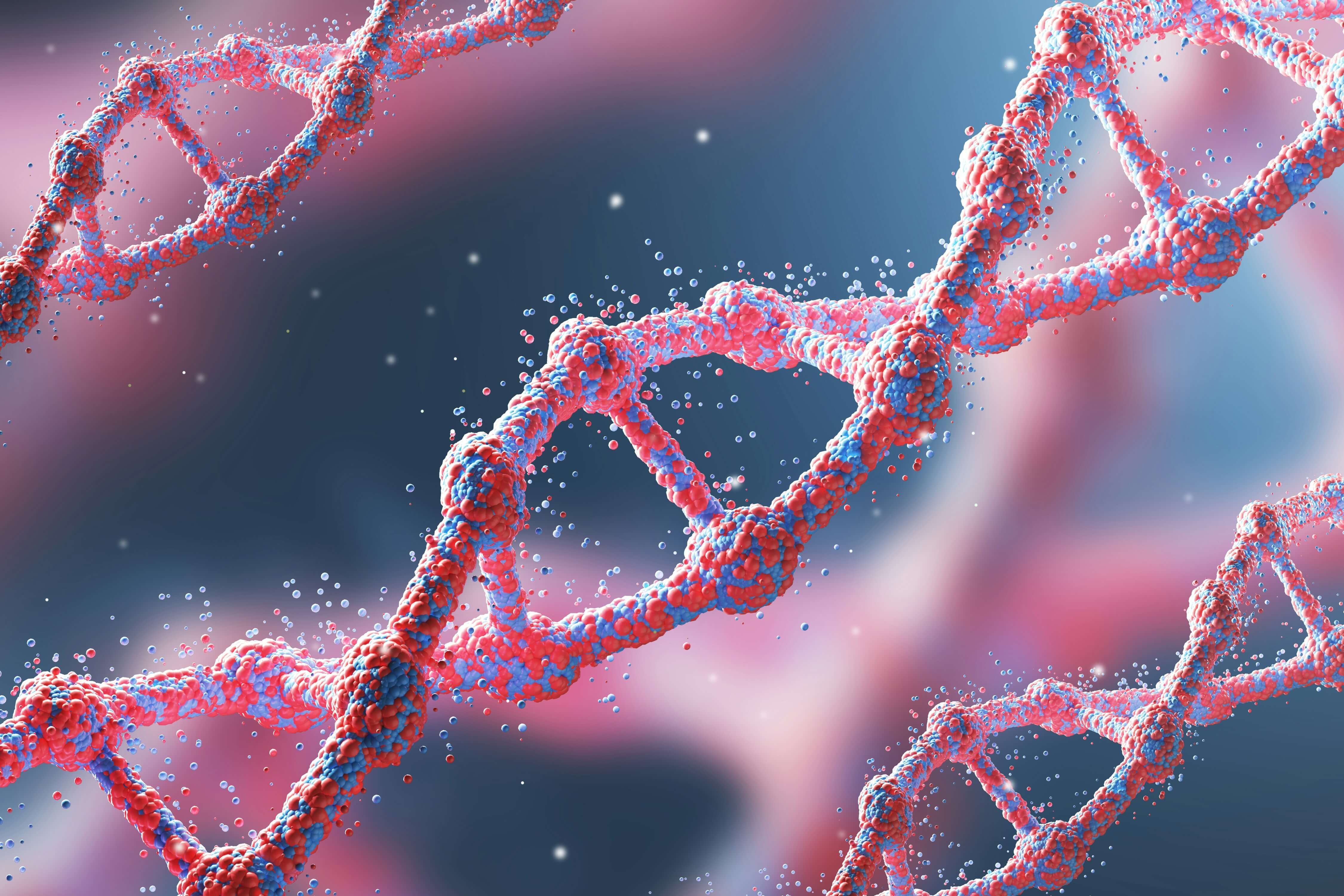
If you've spent any time reading functional health articles, you've likely bumped into the term MTHFR. But what does it actually mean for your child?
Methylation is a fundamental biochemical process occurring billions of times every single second in every cell of the body. It involves attaching a tiny chemical tag (a methyl group) to proteins, DNA, and other molecules. Methylation regulates turning genes on and off, processing toxins and heavy metals, building and breaking down neurotransmitters (serotonin, dopamine, melatonin), and producing cellular energy and repair enzymes.
When genetic mutations (SNPs) like MTHFR, COMT, or CBS impair the body's methylation machinery, the ripple effect across the nervous system is immediate. Neurotransmitters build up or drop off unpredictably, leading to intense mood swings, anxiety, hyperactivity, and poor speech execution.
| Biochemical area | Impact of poor methylation | Resulting symptoms |
|---|---|---|
| Neurotransmitters | Inability to metabolize dopamine/serotonin | Mania, severe anxiety, OCD, sleep loss |
| Detoxification | Reduced production of cellular glutathione | Increased sensitivity to environmental toxins |
| DNA regulation | Silenced or overexpressed gene pathways | Developmental stalls, learning delays |
Why it gets missed
Most conventional doctors view single nucleotide polymorphisms (SNPs) as clinically insignificant unless they cause severe, classic genetic diseases. They miss the functional, daily impact of compromised methylation pathways.
What to look for
- Extreme reactions to synthetic B-vitamins (e.g., hyperactivity from folic acid found in fortified foods)
- Intense, long-lasting tantrums and difficulty transitioning between tasks
- High baseline anxiety or obsessive-compulsive tendencies
A functional Genova Methylation Panel looks beyond genetics alone to show how well the body is actually methylating right now, allowing for precise supplementation with methylated B-vitamins (like methylfolate and methyl-B12).
7 PANS/PANDAS & Neuroinflammation
Few things are more heartbreaking for a parent than watching a child change overnight. One day, your child is making steady progress, smiling, and speaking. The next, following a mild cold, strep infection, or viral illness, they suddenly regress into severe OCD, violent meltdowns, urinary accidents, tics, and terrifying separation anxiety.
This scenario is often driven by PANS (Pediatric Acute-onset Neuropsychiatric Syndrome) or PANDAS (Pediatric Autoimmune Neuropsychiatric Disorders Associated with Streptococcal Infections). In these conditions, an infection tricks the child's immune system into making misdirected antibodies. Instead of attacking only the virus or bacteria, these autoantibodies cross the blood-brain barrier and attack the basal ganglia—the region of the brain responsible for movement, emotion, and behavior control. The brain becomes literally inflamed.
Why it gets missed
PANS and PANDAS are routinely misdiagnosed as pure behavioral regressions, sudden-onset severe autism, or psychiatric disorders. Many pediatricians are not trained to recognize the acute, overnight onset that defines these syndromes.
What to look for
- Sudden, dramatic onset of OCD symptoms or severe separation anxiety
- Sudden appearance of physical or vocal tics
- Loss of handwriting skills or fine motor control
- New-onset bedwetting, urinary frequency, or extreme food restriction/refusal
Working with a PANS/PANDAS-literate practitioner to clear underlying infections with anti-inflammatories, herbal antimicrobials, or targeted antibiotics can lead to dramatic turnarounds in behavior and cognition.
8 Mold Toxicity & Mycotoxins
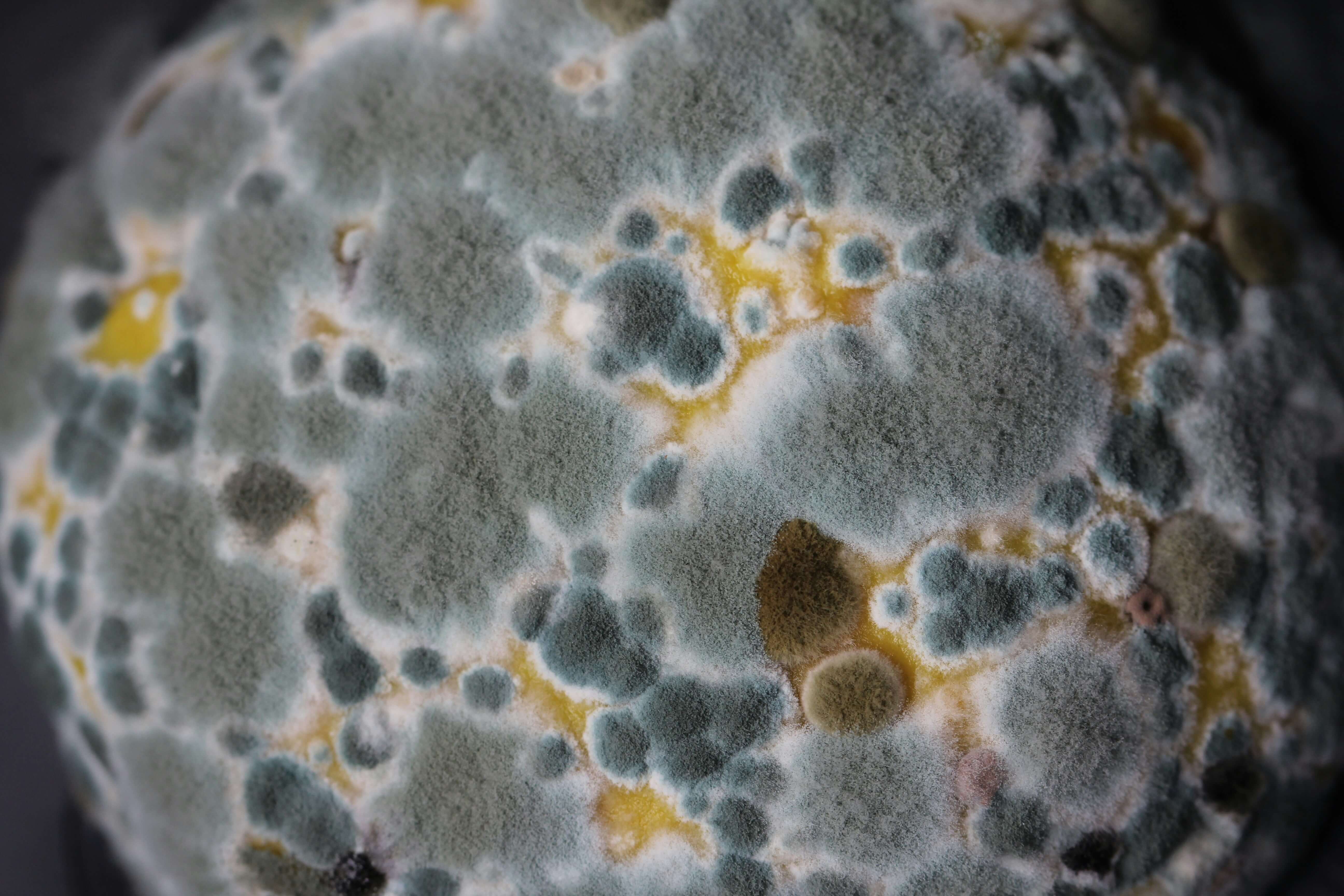
We tend to think of mold as a minor inconvenience—a smelly patch behind the bathroom tiles or a dark spot in a damp basement. But for a biologically vulnerable child, exposure to water-damaged buildings can be devastating.
Molds produce microscopic, highly toxic chemical byproducts called mycotoxins. These toxic compounds drift through the air, enter the lungs, and readily settle into fat-dense tissues like the central nervous system. Mycotoxins act as powerful neurotoxins and immunosuppressants. They directly poison the mitochondria, shut down glutathione production, disrupt gut integrity, and inflame brain tissue. For children on the autism spectrum whose detoxification systems are already compromised, living in a moldy environment can feel like trying to run a marathon with lead weights tied to their ankles.
Why it gets missed
Mold toxicity is a hidden epidemic because you don't have to see black mold for it to be present inside walls, HVAC systems, or school buildings. Furthermore, standard blood work will look completely normal despite high mold burdens.
What to look for
- Dark circles under the eyes ("allergic shiners") despite adequate sleep
- Static shock sensitivity or frequent nosebleeds
- Unexplained mood swings, sudden outbursts of rage, or profound brain fog
- Symptoms that noticeably worsen in certain buildings (home or school) and improve when away on vacation
A simple urine Mycotoxin Test from specialized labs can screen for elevated levels of mold toxins, paving the way for safe home remediation, air purification, and natural binder therapies.
Bringing the Pieces Together: A Roadmap for Parents
Seeing a list of potential root causes like this can feel overwhelming. You might read through these eight points and think, "My child fits into four or five of these categories." That is completely normal. These biological systems do not operate in isolation:
- Mold toxins poison the mitochondria and deplete glutathione.
- Depleted glutathione leads to heavy metal accumulation and oxidative stress.
- Impaired methylation exacerbates folate deficiencies and weakens the gut barrier.
- An inflamed gut triggers systemic neuroinflammation.
The key isn't to fix everything all at once. The key is to stop guessing and start testing.
How to start
- Find a qualified partner: work with a functional medicine practitioner, integrative pediatrician, or MAPS (Medical Academy of Pediatric Special Needs) trained doctor who understands these underlying biological pathways.
- Prioritize testing: start with broad, high-yield functional labs—such as an Organic Acids Test (OAT) and a comprehensive stool panel (GI-MAP)—to gain a clear snapshot of metabolism, gut flora, and mitochondrial energy.
- Layer interventions gently: address foundational health first—clear dietary triggers, support digestion, reduce environmental toxin exposures, and optimize basic nutrients before moving on to complex protocols.
Your child's potential is not fixed in stone. When you take the pressure off an inflamed, resource-starved nervous system, you clear the path for remarkable growth, connection, and progress. Stay curious, trust your instincts as a parent, and keep searching for the missing pieces of your child's biological puzzle. When you're ready to start testing, you can order these functional labs through us at NeuroRoot.com.
Disclosure: Neuro Root may earn revenue from tests ordered through our platform. This article is educational and is not a substitute for professional medical advice.