Why Leucovorin and Folinic Acid Aren't Working for My Child with Autism
Embarking on a biomedical journey for a child on the autism spectrum can feel like solving a complex, high-stakes puzzle in the dark. For many families, discovering therapies like leucovorin (folinic acid) feels like finding a long-awaited compass. When research and peer stories point toward folinic acid as a tool to bypass blocked folate transport into the central nervous system, hope surges—you read about children finding their voice, making eye contact, and waking up to the world around them.
Yet for a meaningful number of parents, that initial wave of hope slowly flattens into quiet disappointment. You secured the prescription, waited out the introductory weeks, and watched every subtle behavioral shift—only to realize that months later, little to no change has occurred.
If leucovorin isn't delivering the breakthroughs you expected, take a breath. You are not alone in this experience, and it does not mean your child can't get better. When folinic acid falls flat, it's rarely because the underlying concept is flawed. More often, there are upstream roadblocks or compounding variables standing in the way. Let's pull back the layers and look at the hidden reasons leucovorin might not be working—and what to explore next.
1 Missing Cofactors: The Nutrient-Synergy Trap

Vitamins, minerals, and metabolic pathways don't operate in isolated silos. Leucovorin is a key player in methylation and one-carbon metabolism, but it can't run the race alone. Think of folinic acid as fuel in the tank, and cofactors as the spark plugs, oil, and transmission fluid that keep the vehicle moving.
If your child is low in essential cofactors, adding leucovorin can stall metabolic pathways or create biochemical bottlenecks. Cofactors worth evaluating with your clinician include:
- Methylcobalamin (active B12): works downstream with folate to convert homocysteine to methionine. Without adequate active B12, pushing folinic acid can back up the pathway.
- Vitamin B6 (P5P): supports transsulfuration and neurotransmitter synthesis, including GABA, serotonin, and dopamine.
- Vitamin B2 (riboflavin): supports MTHFR and other enzymes in the methylation cycle.
- Magnesium: a cofactor for hundreds of enzymatic reactions, including those governing neurological stability and cellular energy.
- Vitamin D3: modulates immune function, influences neuroinflammation, and affects gene expression in the nervous system.
Without balancing these foundations first, pushing high-dose leucovorin is like flooring the gas pedal when the car is low on transmission fluid.
2 Mitochondrial Dysfunction: When the Cellular Engine Is Struggling
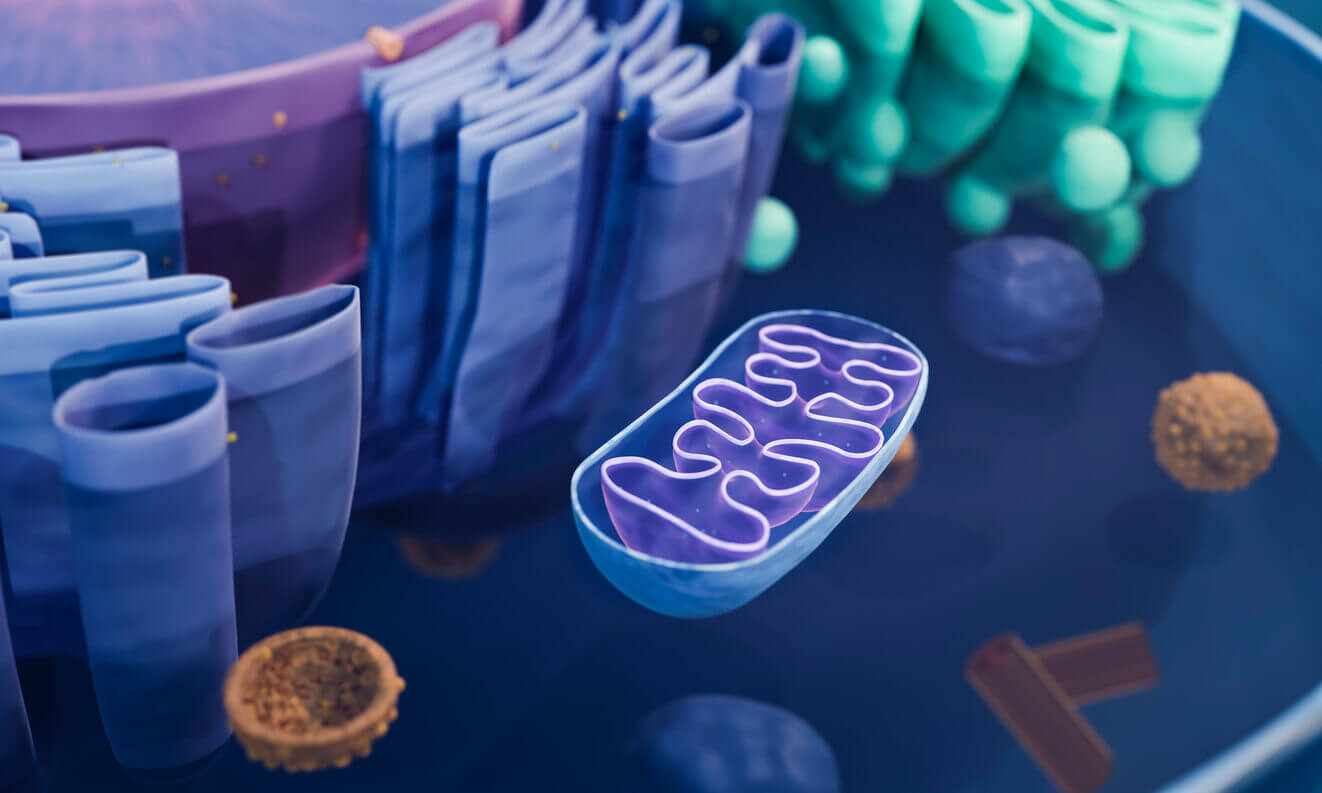
Cellular energy is the currency of healing, detoxification, and neurodevelopment. Inside nearly every cell, tiny powerhouses called mitochondria produce ATP—the energy neurons need to fire, communicate, prune, and repair.
Research points to high rates of mitochondrial dysfunction in a significant subset of children on the spectrum.3 If your child's cellular engines are sluggish or overwhelmed by oxidative stress, simply adding more folate won't restore damaged metabolic machinery.
When mitochondria are struggling, cells lack the baseline energy to process and use incoming nutrients efficiently. Driving methylation forward aggressively with folinic acid when mitochondrial capacity is low can sometimes stress the system further—showing up as fatigue, irritability, or behavioral regression instead of progress.
3 Autoimmune Triggers: The Ongoing Impact of Mammal Milk
One of the most overlooked saboteurs of folinic acid therapy is ongoing immune activation driven by diet—specifically, routine consumption of mammal milk (cow, goat, sheep, and camel).
Many children with autism test positive for folate receptor alpha autoantibodies (FRAAs)—autoantibodies that block or bind the receptors responsible for transporting folate across the blood-brain barrier.1 Here diet plays a structural role: through a proposed mechanism called molecular mimicry, a soluble folate-receptor protein in cow's milk is highly similar to the human receptor, so an immune response to milk can cross-react with the child's own folate receptors. In a small dietary study, a milk-free diet lowered autoantibody levels over months, and reintroducing milk raised them again.2 (This milk–antibody link comes from small studies and is an active research area, not settled consensus.)
If your child is taking leucovorin to bypass blocked receptors but is still drinking fluid mammal milk—cow, goat, sheep, or camel—those proteins may keep the immune response active. For FRAA-positive children, clinicians pursuing this approach often recommend removing fluid mammal milk to give the immune system a chance to stand down, while making sure the calcium, vitamin D, protein, and calories that milk provides are replaced from other sources.
4 Gut Absorption Issues and Chronic Dysbiosis

The idea that health begins in the gut holds real weight for neurological and metabolic therapies. If your child has a compromised gut barrier ("leaky gut") or dysbiosis—such as SIBO, stubborn Candida, or other fungal overgrowths—oral supplementation faces an uphill battle from the start.
Fungal and bacterial overgrowths can interfere in several ways:
- They can degrade, bind, or interfere with nutrient absorption in the small intestine's mucosal lining.
- They produce metabolites (like D-lactic acid) that raise inflammation and tax the liver's detox pathways.
- They worsen intestinal permeability, letting partially digested proteins and microbial toxins cross into the bloodstream and trigger immune reactions.
If the gut is chronically inflamed or overrun, your child may not be absorbing the therapeutic dose of leucovorin—or the systemic inflammation may cancel out potential neurological gains.
5 Finding the Right Dose: Underdosing and Hyperactivity Triggers
Dosing supplements and medications in neurodivergent children is rarely one-size-fits-all. Precision and titration matter with folinic acid.
The underdosing pitfall: many practitioners start low and stay low out of caution. But if a child has high folate-receptor autoantibody titers, a standard low dose may not provide enough to make a clinical difference.
The overdosing trap: conversely, some children take too much or escalate too quickly. High doses can push methylation too fast, showing up as hyperactivity, irritability, sleep disturbances, or increased stimming.
If your child became uncharacteristically aggressive, anxious, or hyperactive after starting leucovorin, it doesn't mean folinic acid is inherently wrong for them. It's often a sign of an inappropriate dose or an imbalance in downstream cofactors (such as needing additional active B12 or magnesium to buffer the shift)—which is exactly the kind of adjustment to make with a prescribing clinician, not on your own.
6 Fillers, Excipients, and the Supply Shortage

Sometimes the problem isn't the active ingredient at all—it's what's packed in alongside it.
- Lactose fillers and excipients: many commercial tablets use lactose, corn starch, or binders that can trigger GI distress or flare-ups in sensitive children.
- Artificial dyes and coatings: synthetic dyes in some generic tablets can provoke adverse reactions in sensitive kids.
The manufacturing landscape
Families seeking cleaner formulations have historically gravitated toward specific manufacturers, but the pharmaceutical supply chain has faced ongoing disruptions and leucovorin shortages, and stock of preferred brands at retail pharmacies has been inconsistent. (Supply conditions change—check current availability with your pharmacist.)
A cleaner alternative
Because retail stock is volatile and commercial tablets often contain unwanted fillers, one option is to work with a reputable compounding pharmacy. A compounding pharmacist can prepare pure leucovorin calcium without dyes, lactose, or allergens, at the exact dose your clinician prescribes—while sidestepping commercial supply gaps.
7 What If Your Child Doesn't Have Cerebral Folate Deficiency?
It's easy to pin all our hopes on a single diagnosis or pathway. Because cerebral folate deficiency (CFD) overlaps clinically with many presentations of autism, families often jump straight into long-term leucovorin trials.
But if you've addressed dosing, removed dairy, cleaned up excipients through compounding, and optimized cofactors with still no results, it's worth asking honestly: does my child actually have cerebral folate deficiency? Autism is a heterogeneous spectrum with multiple overlapping root contributors. If folate transport isn't the primary bottleneck, it's time to widen the lens:
- Advanced gut health: comprehensive stool analysis and targeted treatment for hidden pathogens, parasites, or fungal overgrowth.
- Mitochondrial support: targeted nutrients (CoQ10, carnitine, specific B-vitamins) to support cellular energy production.
- Deeper methylation analysis: evaluating the whole transsulfuration, sulfation, and methylation network, not just folate.
- Toxic metal burden: testing for lead, mercury, aluminum, and other toxicants that can impair neurological function and detox capacity.
- Oxidative stress and glutathione: assessing antioxidant capacity and supporting the body's natural pathways.
Charting the Path Forward
Discovering that leucovorin isn't a standalone miracle is disheartening, but it doesn't mark the end of your biomedical roadmap—it points toward a more personalized, comprehensive strategy. Progress rarely comes down to a single pill; it usually means untangling the unique web of biology underlying your child's specific symptoms, with a clinician alongside you.
Ready to dig deeper?
If you're tired of guessing or hitting brick walls with standard prescriptions, you don't have to navigate it alone. At Neuro Root, we offer comprehensive diagnostics, functional testing, telehealth services, and individualized protocols to help uncover the root contributors to your child's symptoms.
Start with a consultationReferences
- Ramaekers VT, Rothenberg SP, Sequeira JM, et al. Autoantibodies to folate receptors in the cerebral folate deficiency syndrome. N Engl J Med. 2005;352(19):1985–1991. NEJM
- Ramaekers VT, Sequeira JM, Blau N, Quadros EV. A milk-free diet downregulates folate receptor autoimmunity in cerebral folate deficiency syndrome. Dev Med Child Neurol. 2008;50(5):346–352. PubMed
- Rossignol DA, Frye RE. Mitochondrial dysfunction in autism spectrum disorders: a systematic review and meta-analysis. Mol Psychiatry. 2012;17(3):290–314. PubMed
- Frye RE, Slattery J, Delhey L, et al. Folinic acid improves verbal communication in children with autism and language impairment: a randomized double-blind placebo-controlled trial. Mol Psychiatry. 2018;23(2):247–256. Molecular Psychiatry
Disclosure: Neuro Root offers paid telehealth services and laboratory testing, and may earn compensation from tests, products, or services mentioned or linked in this article. This article is educational and is not a substitute for professional medical advice.