
Taming the Fungal Jungle: How to treat Candida, Yeast, & Mold, in Children with Autism
Understanding Gut Dysbiosis, Mold, and Antifungal Strategies in Neurodivergent Children
When you're raising a child on the autism spectrum, you quickly get used to looking at the big picture—balancing speech therapies, school accommodations, sensory needs, and sleep routines. But many parents eventually run into a wall that doesn't seem to have anything to do with brain development at all: their child's stomach.
If your child struggles with intense bloating, painful gas, random bouts of brain fog, unprovoked laughter, extreme carbohydrate cravings, or sudden behavioral meltdowns, you've probably heard people in the integrative health world point a finger at one main suspect: Candida. And there's real signal there—gastrointestinal problems are far more common in autistic children than in their peers, affecting up to roughly 70% in some studies.1 But the full story inside the gut is usually more complex. It isn't always Candida, and treating it like a basic yeast infection often leads to dead ends.
1 Beyond Candida: What Else Might Be Growing?
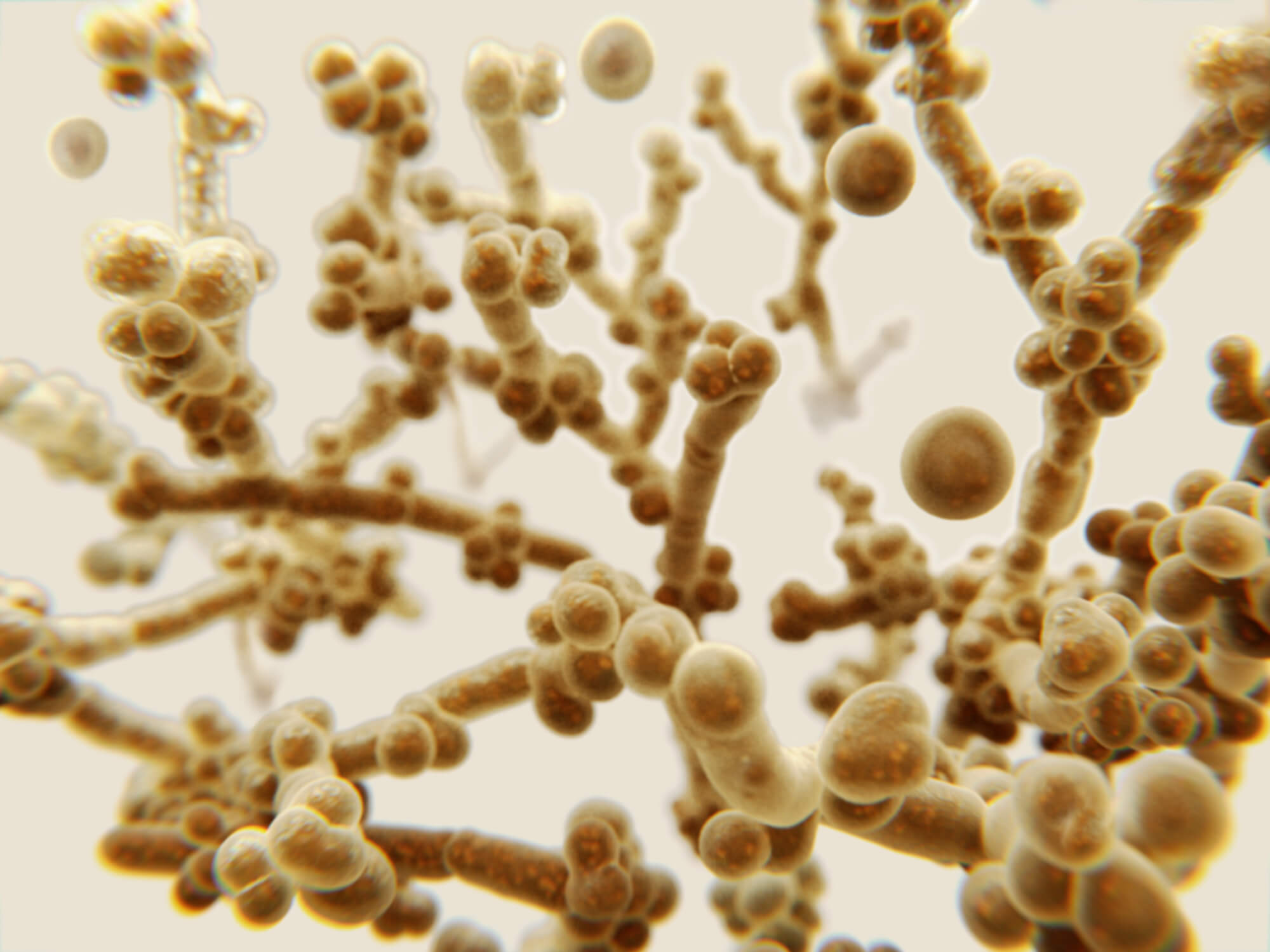
When people talk about gut yeast, they almost always mean Candida albicans. In a healthy gut, small amounts of Candida are completely normal. But when a child's gut flora gets knocked out of balance—whether from early rounds of antibiotics, a high-sugar diet, or a stressed immune system—that harmless yeast can change form, grow roots into the gut lining, and cause real trouble. A systematic review of the gut microbiome in autism found consistently altered bacterial communities compared with typically developing children,2 and reviews focused specifically on fungi report a higher presence of Candida species in autistic children in most (though not all) studies.3
When functional-medicine clinicians run comprehensive stool tests or Organic Acid Tests (OAT), they often find Candida albicans isn't the only organism involved:
- Other Candida species: strains like C. tropicalis, C. glabrata, and C. parapsilosis cause many of the same symptoms but tend to be tougher and more resistant to standard over-the-counter antifungals.
- Environmental molds (Aspergillus): molds aren't just something you breathe in from a damp basement—they can settle and grow inside the digestive tract, releasing mycotoxins (like Ochratoxin A and Gliotoxin) that stress the immune system.
- The tartaric-acid connection: some fungi produce tartaric acid, and high levels can interfere with a key cellular enzyme (fumarase) in the body's energy cycle. On the OAT, elevated tartaric acid alongside arabinose is a recognized signal of yeast activity.4
- Other opportunistic yeasts: organisms like Rhodotorula (a pink/red environmental yeast) or Geotrichum can colonize a weakened gut and trigger histamine responses that leave children feeling itchy, restless, and sensory-overloaded.
2 The Gut-Brain Connection: How Fungal Toxins Reach the Brain
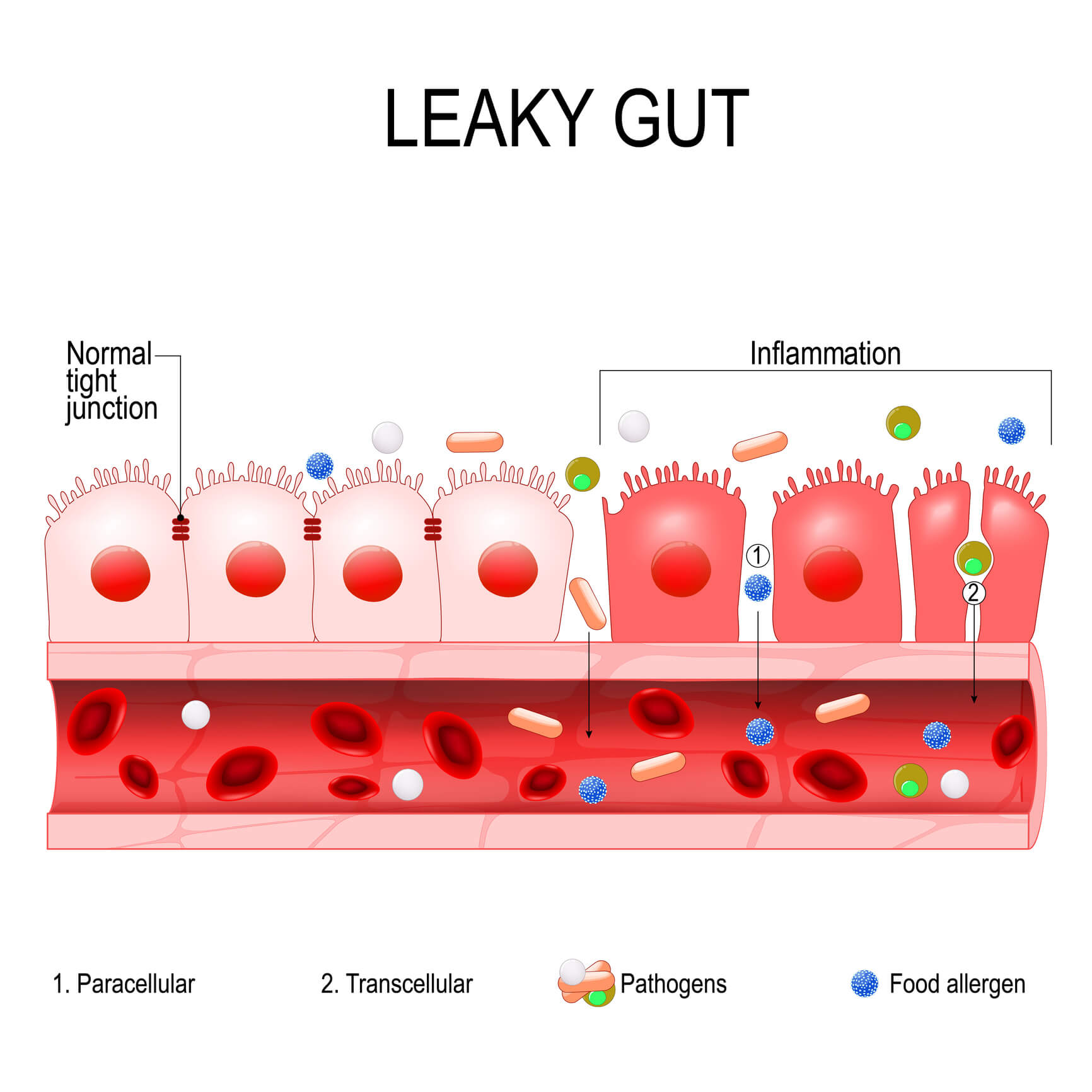
It can feel like a stretch to connect what's happening in a child's digestive tract to how they speak, socialize, or process sensory input. But the gut and brain are in constant two-way communication through the gut-brain axis, and disruptions in this axis—increased intestinal permeability, systemic inflammation, and dysbiosis—have been repeatedly implicated in autism.2 Here's the pathway integrative clinicians describe (proposed, and still an active area of research):
Pathway 1: Direct chemical intoxication
Fungi release waste products that get absorbed into the bloodstream and travel to the brain:
- Acetaldehyde & ethanol: Candida ferments dietary sugars into alcohol and acetaldehyde. Acetaldehyde interferes with active vitamin B6 and neurotransmitters, which is why some children suddenly act "tipsy"—giggling at inappropriate times, losing balance, or showing sudden brain fog.
- Arabinose: this sugar alcohol is a documented byproduct of yeast fermentation and one of the most validated OAT markers of Candida overgrowth; high levels have long been reported in the urine of autistic children.4
Pathway 2: Leaky gut and folate autoimmunity
As fungal roots push into the intestinal lining, they can break down the tight junctions that keep the gut sealed:
- Intestinal permeability: fungal toxins and undigested food leak into the bloodstream.
- Systemic inflammation: the immune system launches a full-body inflammatory response.
- Autoimmune trigger: chronic inflammation can drive molecular mimicry, where the body mistakenly targets its own tissue.
- Folate receptor autoantibodies (FRAAs): the brain relies on Folate Receptor Alpha (FRα) to pull folate across the blood-brain barrier. A dysregulated immune system can produce autoantibodies that block these receptors.5
- Cerebral folate deficiency (CFD): even with plenty of folate in the blood, it can't reach the brain—a "brain starvation" linked to speech delays, low muscle tone, and sensory meltdowns.5
3 Medical Antifungals: Which Drug, and When?
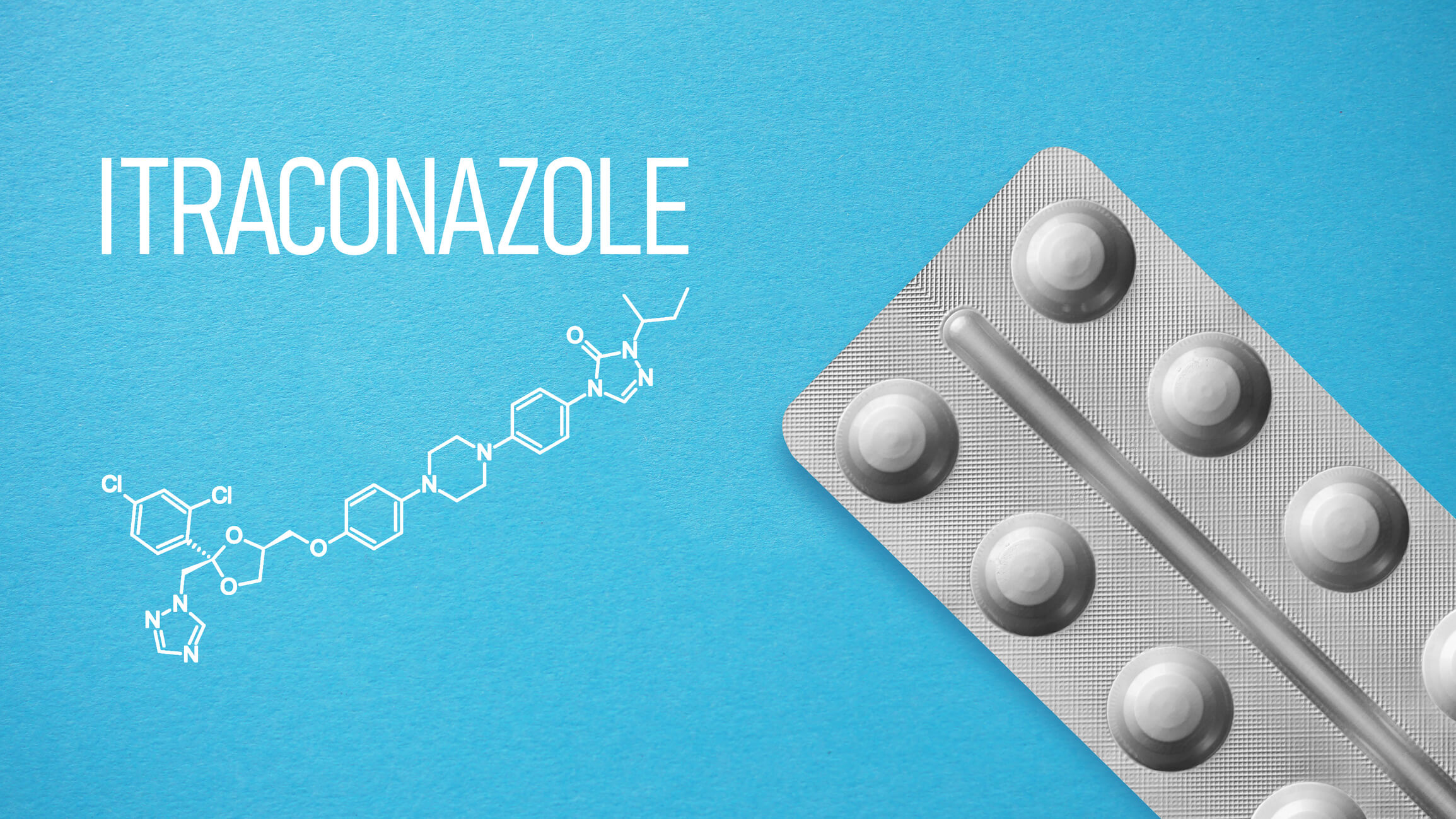
When testing shows a high fungal load, diet and herbs alone may not turn the tide, and clinicians may prescribe targeted antifungals. Different drugs do different things—so this is a physician's decision, not a self-treatment menu. For context, here's how these medications differ:
| Medication | Systemic? | Typical target | Clinical context |
|---|---|---|---|
| Nystatin | No (stays in the GI tract) | Local Candida in the gut | Often a starting point; doesn't burden the liver, so it's used to address local intestinal yeast. |
| Fluconazole | Yes (whole body) | Deeper/systemic Candida | Considered when yeast has penetrated deeper or local treatment falls short; requires liver-enzyme monitoring. |
| Itraconazole | Yes (tissue-bound) | Molds (Aspergillus) & resistant yeasts | Reserved for mold/Aspergillus findings; requires strict medical supervision. |
4 Herbal Antimicrobials (Over-the-Counter Options)
If you're working with a practitioner who prefers natural protocols—or rotating treatments to prevent resistance—several plant-based options are commonly used. These are still active compounds, so dose and duration should be guided by your provider:
Caprylic acid
Dissolves yeast cell walls so they rupture
Oregano oil
Broad-spectrum; carvacrol hits yeast & bacteria
Grapefruit seed extract
Disrupts nutrient intake of stubborn strains
Berberine
Blocks yeast from sticking to the gut wall
Monolaurin
Breaks down protective biofilms
Garlic (allicin)
Allicin disrupts fungal cell membranes
Pau d'arco
Bark extract; lapachol curbs yeast growth
Undecylenic acid
Fatty acid; strong anti-Candida action
5 Diet: The Make-or-Break Factor
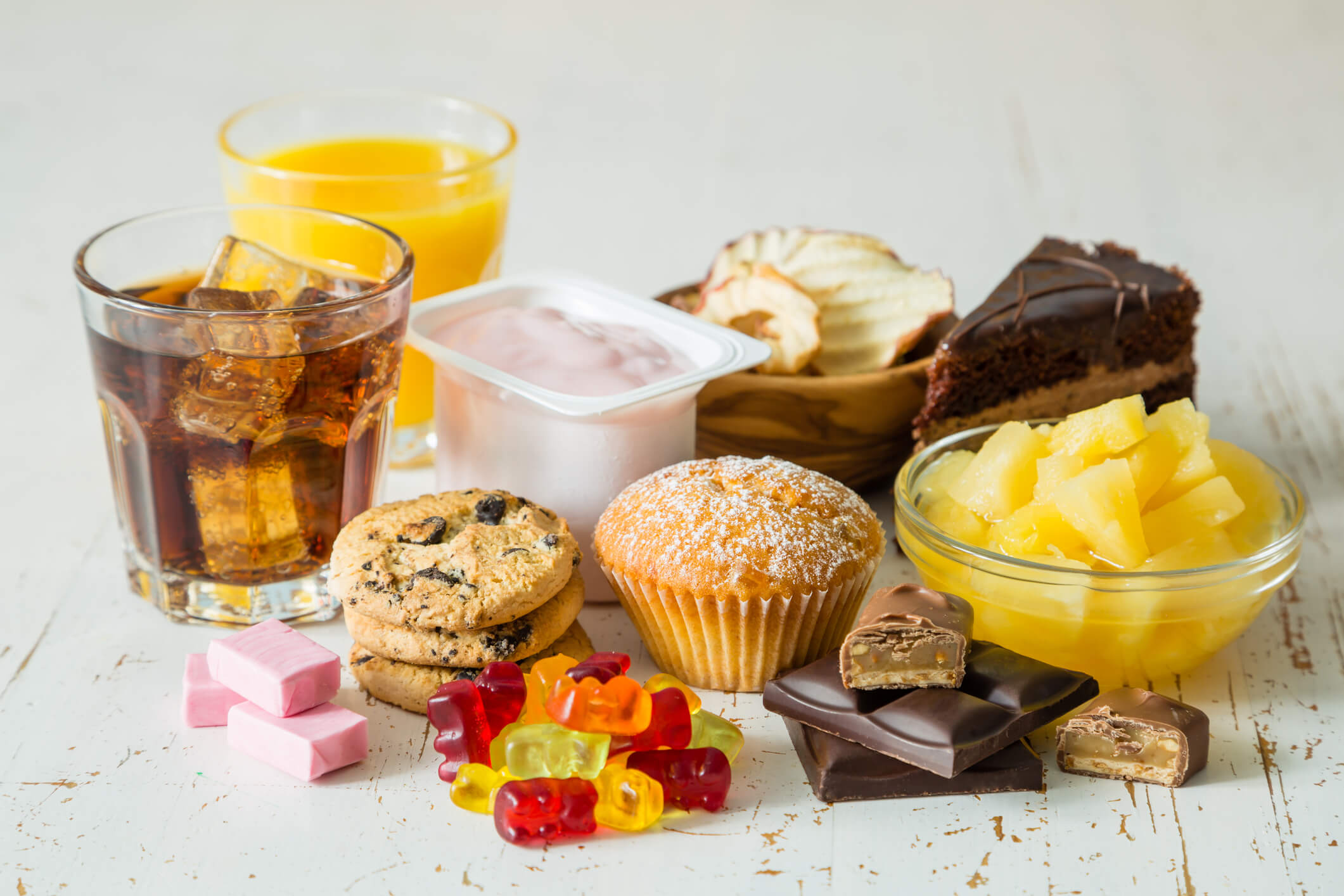
Fungi feed on simple sugars, so diet is often the difference between progress and spinning your wheels. Any dietary change in a child should protect overall nutrition—work with a provider or dietitian so you're subtracting yeast fuel without shortchanging calories, protein, or key nutrients.
Foods to cut back on
- Refined sugars & sweets: juice, candy, soda, and hidden sugars in packaged foods.
- Simple & refined carbs: white bread, crackers, chips, and standard cereals break down into sugars almost instantly.
- High-mold foods: peanuts, cashews, dried fruits, and old stored grains can carry small amounts of mold toxins (aflatoxins).
What to build the diet around
- Quality proteins: grass-fed meats, eggs, poultry, and wild fish to rebuild tissue and support detox.
- Healthy fats: avocado, olive oil, ghee, and coconut oil for steady energy that doesn't spike blood sugar.
- Non-starchy veggies: broccoli, cauliflower, zucchini, and leafy greens for prebiotic fiber that feeds good bacteria.
- Beneficial yeast (Saccharomyces boulardii): a friendly, transient probiotic that competes with Candida, neutralizes some yeast toxins, and helps calm gut inflammation.
Putting It All Together
Rebalancing your child's gut isn't about finding a magic pill—it's a step-by-step process, done with a clinician:
- Run comprehensive testing. Don't guess—test first. Work with a knowledgeable provider to order a stool panel or urine Organic Acid Test (OAT) to identify whether you're dealing with Candida, non-albicans strains, or environmental mold.
- Clean up the diet & support detox. Starve the fungi before attacking. Reduce refined sugars and simple carbs, and make sure your child is having regular daily bowel movements so toxins have a clear exit.
- Begin antifungal therapy. Introduce prescription antifungals or herbs under medical guidance, paired with binders to cushion die-off reactions.
- Heal and reseed. Use probiotics like S. boulardii and gut-healing nutrients (like L-glutamine) to repair the gut barrier, calm the immune system, and protect the brain long-term.
Not sure what's growing in your child's gut?
Guesswork rarely resolves a stubborn gut. At Neuro Root, we offer functional testing (including stool and OAT panels), telehealth consultations, and individualized protocols to help you identify what's actually there—and build a safe, step-by-step plan around it.
Start with a consultationReferences
- Systematic reviews of gastrointestinal symptoms in ASD report GI problems in a large share of children (estimates up to ~70%). See, e.g., PMC12252074.
- Xu M, Xu X, Li J, Li F. Association between gut microbiota and autism spectrum disorder: a systematic review and meta-analysis. Front Psychiatry. 2019;10:473. PMC
- Herrera-Mejía J, et al. Candida spp. in the gut microbiota of people with autism: a systematic review. Rev Neurol. 2019. Rev Neurol
- Shaw W, et al. Increased urinary excretion of analogs of Krebs cycle metabolites and arabinose in two brothers with autistic features. Clin Chem. 1995;41(8):1094–1104. Related reference
- Ramaekers VT, Rothenberg SP, Sequeira JM, et al. Autoantibodies to folate receptors in the cerebral folate deficiency syndrome. N Engl J Med. 2005;352(19):1985–1991. NEJM
Disclosure: Neuro Root offers paid telehealth services and laboratory testing, and may earn compensation from tests, products, or services mentioned or linked in this article. This article is educational and is not a substitute for professional medical advice.